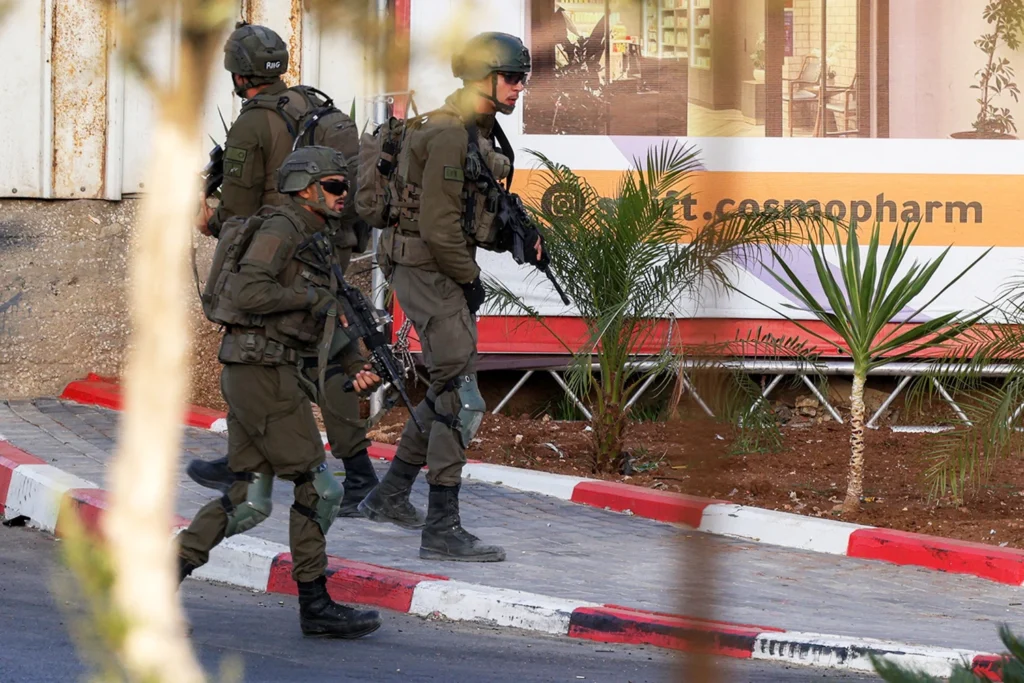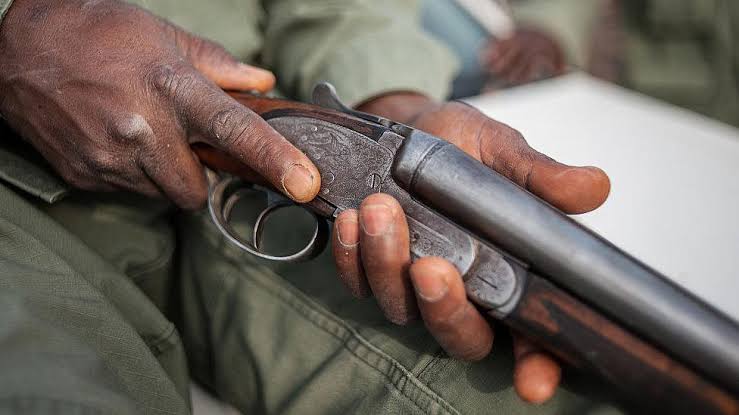
Following repeated attacks on farmers by terrorists and armed herders, US President Donald Trump last October labelled Nigeria a Country of Particular Concern (CPC). He tasked US Congressman Riley Moore and House Appropriations Committee Chairman Tom Cole to investigate the violence and propose solutions. Their report recommended removing armed Fulani militias from confiscated farmlands and enabling displaced communities to return, as well as granting farmers the right to engage in “legitimate self-defence” under strict regulations—a proposal that has drawn strong support from affected communities.
Middle Belt leaders have welcomed the recommendation, arguing it is timely given the ongoing attacks in rural areas. Dr. Bitrus Pogu, National President of the Middle Belt Forum (MBF), said: “We advocate that all Nigerians should be free, like Americans, to bear arms. Communities should not remain defenseless while attackers operate freely… Let these people take care of their immediate environment and be the first line of defence in any attack.”
Chief Iorbee Ihagh, President General of Mzough U Tiv (MUT) Worldwide, added: “I am 100 percent in agreement with the recommendation of the U.S. Congress. Our farmers should be allowed to carry arms to protect themselves.”
Farmers themselves have voiced strong backing. Philip Ajomuiwe, former South East chairman of the Cassava Producers Association of Nigeria, said: “It is a very welcome recommendation. Farmers are being kidnapped, killed, and their farms destroyed by criminal herdsmen. If this continues, how do we feed the nation? Allowing licensed farmers to bear arms would deter attacks and restore confidence among rural producers.”
Some caution against rushing into widespread civilian armament. Chief Israel Amanze, former Abia State Commissioner for Agriculture, urged a measured approach: “When you say allow farmers to bear arms, you are effectively saying allow all Nigerians to bear arms… Let the government first implement state police. If states can secure their boundaries and respond quickly, we may not need widespread civilian armament.”
Plateau State farmers have also expressed approval. John Jiller, former chairman of the All Farmers Association of Nigeria (AFAN), said: “It is a welcome idea because farmers are not protected in their communities. They are being killed in their homes and cannot go to their farms. If the government cannot guarantee protection, lawful self-defence initiatives should be supported.”
In Edo State, Alhaji Bako E Dogwo, Chairman of AFAN Edo chapter, echoed the sentiment: “Farmers should be allowed to carry arms to protect themselves. If you know someone has a gun, you think twice before attacking. This is about survival and food security.” Atoe Efosa Luque, chairman of the National Palm Produce Association in Edo, noted that local farmers are already training with vigilantes and should be legally empowered to continue such self-defence initiatives.
Experts emphasize that self-defence alone is not enough. Dr. Muda Yusuf, Chief Executive of the Centre for Promotion of Private Enterprises, said: “We need more intelligence and technology. Properly trained vigilantes with real-time information will be more effective than simply arming people.” Sandra Victor-Gwafan of DeBranch Farmers Ltd stressed: “Security is primarily a state responsibility. Arming civilians carries risks of misuse and escalation. Sustainable solutions require stability, infrastructure, and effective governance.”
Meanwhile, some analysts insist that a structured, regulated approach is key. Former Provost Marshal of the Nigerian Army, Brigadier-General Idada Ikponmwen (rtd), said: “If our government cannot provide security, then foreign or local assistance is justified. But there must be clear responsibilities and coordination between security agencies. Rivalries and overlap only weaken response.”
Comrade Steve Aluko, CLO Middle Belt, added: “Nigeria’s Constitution allows for self-defence, but this should complement, not replace, conventional security agencies. Training, strict regulation, and government oversight are essential to prevent misuse.”
As the debate continues, farmers, local leaders, and civil society are united in one message: communities under threat need protection, whether through legal self-defence, state police, or enhanced intelligence support. The US Congress recommendation has opened a fresh conversation about balancing citizens’ safety, food security, and the rule of law in Nigeria’s most vulnerable regions.