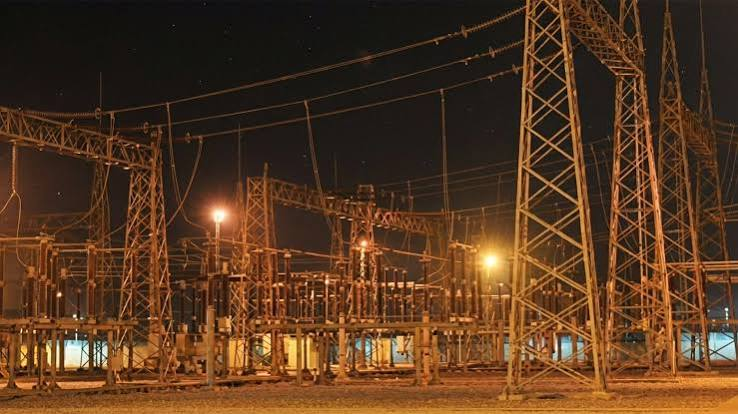
The Federal Government has announced plans for states and local governments to begin sharing the cost of electricity subsidies, ending the long-standing practice where the burden was borne solely by the Federal Government.
The Director-General of the Budget Office of the Federation, Tanimu Yakubu, disclosed the new cost-sharing arrangement during a meeting with Ministries, Departments and Agencies (MDAs) on preparations for the 2026 budget.
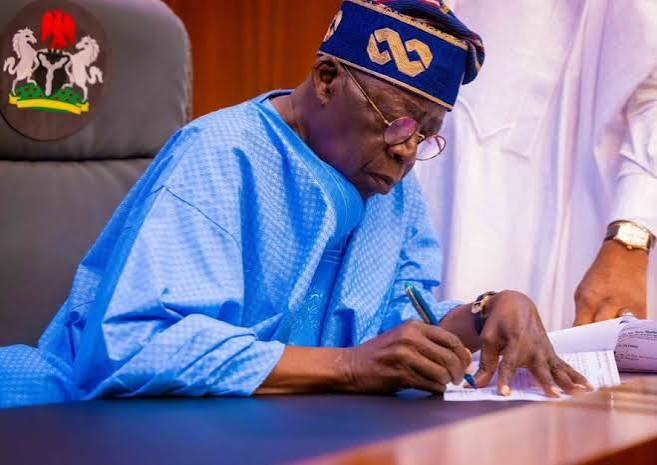
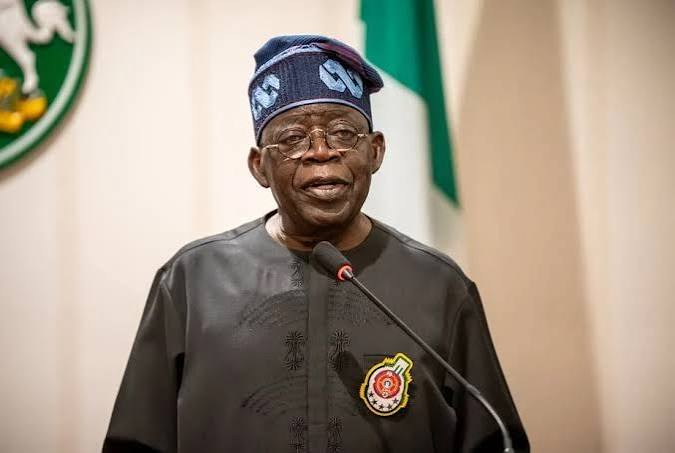
Yakubu revealed that within a 12-month period between September 2024 and October 2025, the Federal Government spent ₦1.98 trillion on electricity subsidies. He said the decision to share the cost across all tiers of government was directed by President Bola Ahmed Tinubu to promote transparency, accountability and sustainability in the power sector.
“Subsidy costs must be explicit, tracked and funded, so they do not return as arrears, liquidity crises or hidden liabilities in the power market,” Yakubu said.
He explained that whenever electricity tariffs are set below cost, a subsidy obligation is automatically created.
“When tariffs are held below cost, a gap is created. That gap is a subsidy. And a subsidy is a bill,” he added.
According to him, if multiple levels of government benefit from keeping electricity prices low, the financial responsibility must also be shared through a clear and agreed framework. He noted that fair burden-sharing would promote efficiency, strengthen support for cost-reflective pricing and allow for better protection of vulnerable consumers.
Yakubu warned that treating electricity subsidies as the sole responsibility of the Federal Government often leads to unpaid obligations resurfacing as hidden debts, destabilising the power sector. He therefore directed MDAs to fully disclose all subsidy-related costs in their budget proposals and avoid pushing unpaid obligations into the electricity market.
Beyond electricity subsidies, Yakubu said the Federal Government is tightening project selection rules under the 2026 budget, stressing that only projects that are implementation-ready and fully financed will be considered.
“If it cannot be implemented, it should not be proposed. If it cannot be measured, it should not be defended,” he said.
He added that MDAs must now demonstrate project readiness, including completed designs, approvals, procurement plans, clear timelines and confirmed funding sources.
Yakubu also disclosed that President Tinubu has ordered a review of the Fiscal Responsibility framework to strengthen spending discipline across government.
“Fiscal rules are the guardrails of government. Without them, spending becomes impulsive and debt becomes casual,” he said, adding that the review would introduce clearer spending limits, stronger reporting standards and closer alignment between long-term planning and annual budgets.