The Supreme Court has affirmed the President’s authority to declare a state of emergency in any state to prevent a breakdown of law and order, in a 6–1 split decision. The apex court ruled that while the President may suspend elected officials during a state of emergency, such suspension is permitted only for a limited period.
In the lead judgment, Justice Mohammed Idris stated that Section 305 of the Constitution empowers the President to take extraordinary measures to restore normalcy when emergency rule is declared. The judgment noted that the provision does not explicitly define these measures, leaving their implementation to presidential discretion.
The ruling followed a suit filed by Adamawa State and ten other PDP-led states, challenging the legality of the emergency imposed in Rivers State, which saw Governor Siminalayi Fubara and other state officials suspended for six months. Justice Idris upheld preliminary objections raised by the Attorney General of the Federation (AGF) and the National Assembly, dismissing the case for lack of jurisdiction and rejecting it on the merits.
Justice Obande Ogbuinya, however, dissented, arguing that the President cannot suspend elected state officials, including governors, deputy governors, and legislators, even during a state of emergency.
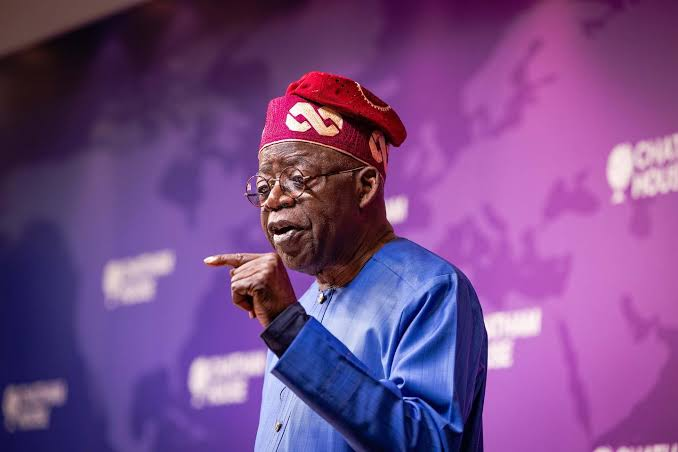
The Rivers State crisis emerged amid tensions involving Governor Fubara, his predecessor Nyesom Wike, and the Martin Amaewhule-led House of Assembly. On March 18, 2025, citing Section 305, President Bola Tinubu declared a six-month state of emergency, appointing retired Vice Admiral Ibok-ete Ibas as sole administrator.
The emergency rule faced criticism from opposition leaders and legal experts, prompting the lawsuit. The President later suspended emergency rule on September 17, 2025, ending the six-month intervention.
The Supreme Court ruling upholds the constitutionality of the President’s actions, clarifying executive powers during emergencies while cautioning on the limits of suspending elected officials.