The Federal Government is set to begin strict enforcement of a major tax reform that will require all taxable Nigerians to possess a valid Tax Identification Number (TIN) before operating their bank accounts, starting January 1, 2026.
The clarification was issued by the Chairman of the Presidential Committee on Fiscal Policy and Tax Reforms, Taiwo Oyedele, who addressed growing public concerns over the new requirement.
According to Oyedele, the policy is backed by Section 4 of the Nigerian Tax Administration Act (NTAA), which formally takes effect in 2026. He explained that the Finance Act 2020 had already introduced the idea, but the NTAA now provides a binding legal framework compelling banks to enforce compliance.
“Yes, but with some exemptions. A section of the NTAA requires a taxable person to register and obtain a tax ID,” he said.
He noted that taxable persons include individuals who earn income through employment, business operations, trade, or any economic activity. As such, banks will be obligated to request a tax ID from these categories of customers before allowing them to operate their accounts.
However, Oyedele clarified that individuals who do not earn income—such as students and dependents—are exempt and can operate bank accounts without a tax ID.
Reiterating the point, he said: “A taxable person is anyone who earns income through trade, business, or any economic activity… Individuals who do not earn an income, such as students and dependents, do not need to obtain a tax ID. Any taxable entity without a tax ID may have difficulty running their bank account in the near future.”
The announcement has caused anxiety among Nigerians, many of whom are unsure if they fall under the taxable category or fear potential account restrictions once the policy takes effect.
Oyedele added that persons or businesses who already possess a TIN do not need to apply for a new one.
Financial analysts say the move is a strategic effort to expand the tax net, improve compliance, and curb revenue leakages. Banks are expected to begin internal processes to align with the NTAA ahead of the January 2026 deadline.
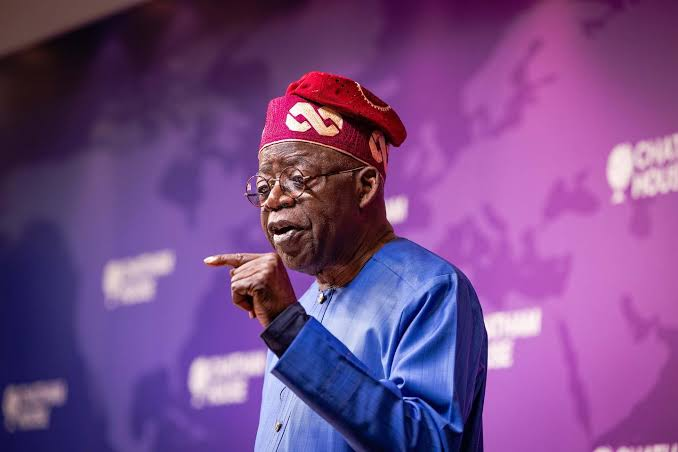
President Bola Ahmed Tinubu had, in June 2025, signed a set of revised tax laws scheduled to take effect next year as part of ongoing reforms to modernise the country’s tax system without increasing tax rates.