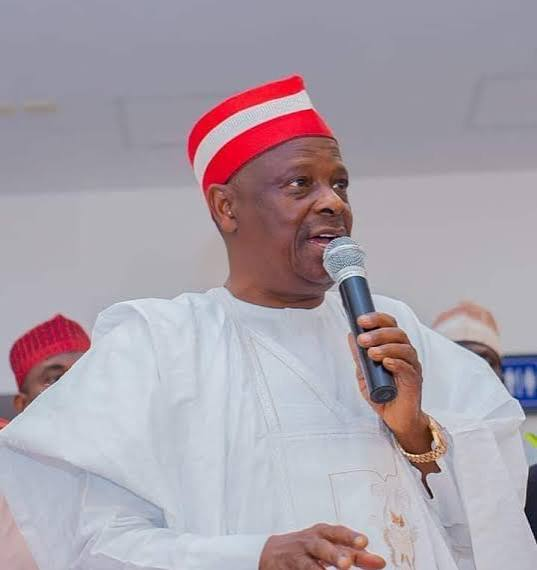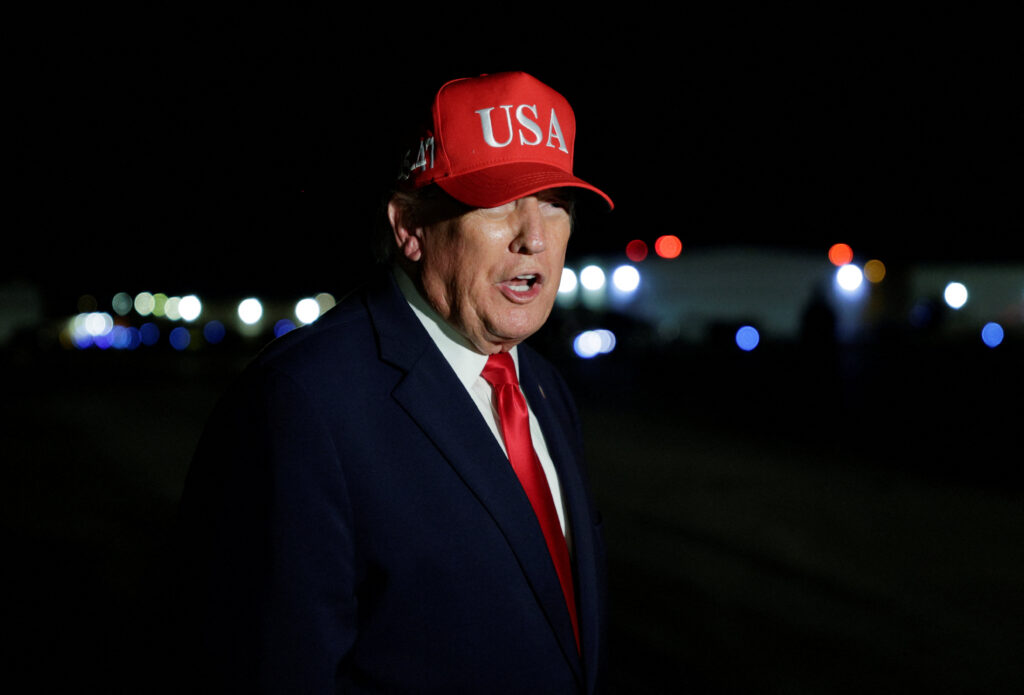
Former Kaduna State governor, Nasir el-Rufai, has said electronic voting remains the surest path to credible and transparent elections in Nigeria.
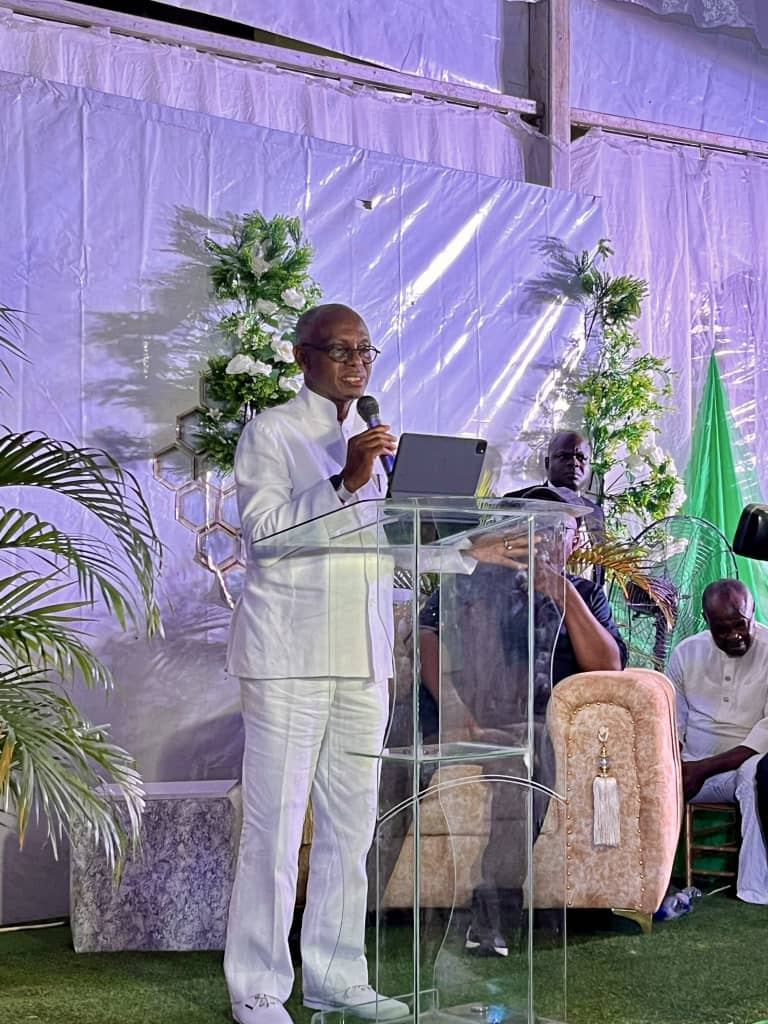
Speaking on Friday at an interactive session in Owerri, Imo State, el-Rufai argued that adopting electronic voting and real-time transmission of results would curb electoral malpractices, restore public trust, and strengthen democratic stability.
He expressed concern over declining voter turnout, noting that less than 30% of registered voters participated in the 2023 presidential election, compared to over 60% in 2003.
“Given our stormy history, 25 years of unbroken rule by elected governments indicates that our country is on a pathway to democratic stability. But voter turnout at presidential elections has been declining since 2007,” he said.
El-Rufai insisted that the Independent National Electoral Commission (INEC) has enough time before 2027 to deploy the necessary infrastructure nationwide. He cited Kaduna’s 2018 and 2021 local government elections, where electronic voting was first introduced, as evidence that the system works even when the ruling party lost some councils.
“I believe there is adequate time today for INEC to acquire and deploy the hard and soft infrastructure needed to deliver this for the entire country at a much lower lifecycle cost than the current, unreliable system that has repeatedly been subject to human manipulation,” he said.
The former governor explained that electronic voting machines should integrate voter verification, provide paper trails, automatically shut down at deadlines, print results for stakeholders, and transmit outcomes seamlessly.
Beyond elections, el-Rufai criticised Nigeria’s governance structure, lamenting that while the country was founded as a federation, few leaders practice true federalism.
“Recent experience would seem to suggest that federalism is a concept often touted by those seeking power who promptly forget about it once suitably empowered,” he said.
He urged the federal government to devolve more powers, resources, and responsibilities to the states including policing by implementing recommendations of the 2018 APC Committee on True Federalism, which he chaired.