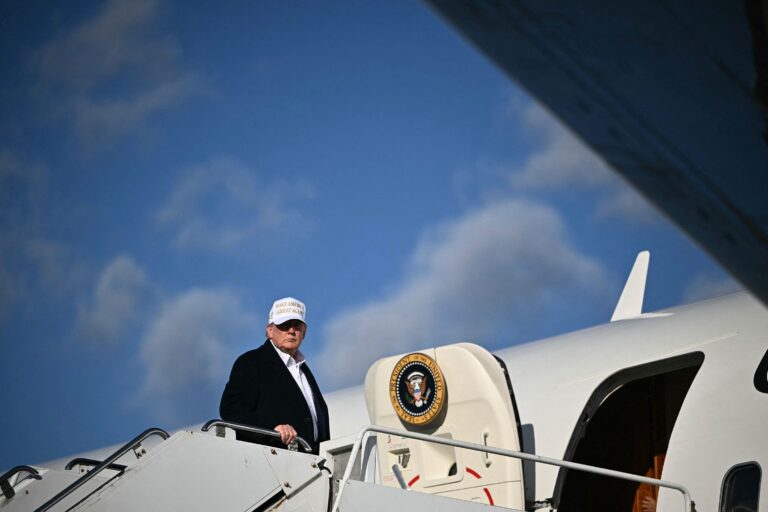
Preparations are underway to convert a Boeing jumbo jet, donated by the Qatari government, into a new Air Force One aircraft for President Donald Trump — a move that has triggered bipartisan backlash and scrutiny over its legality and optics.
The aircraft, reportedly valued at $400 million, is being transferred to the U.S. government under a memorandum of understanding (MOU) between Qatar and the Pentagon. While Qatar insists the donation is “unconditional” and devoid of any political motives, critics across the political spectrum have raised alarms.
“This isn’t generosity — it’s influence wrapped in titanium,” said conservative commentator Ben Shapiro. “Qatar isn’t handing over a $400 million jet just to be nice.”
Though the plane itself is a gift, retrofitting it to meet Air Force One’s stringent requirements — including nuclear blast shielding, encrypted communications, and mid-air refueling capability — will be paid for by U.S. taxpayers. Estimates suggest that upgrades could run as high as $1 billion. A senior defense official, speaking on condition of anonymity, said that some of the funding may be diverted from the Sentinel program, which modernizes America’s land-based nuclear arsenal.
The Pentagon has assured the public that the aircraft will undergo a full security sweep to eliminate any potential surveillance threats. The MOU includes a disclaimer stating that the donation “shall not be interpreted as bribery, undue influence or corrupt practice.”
Despite those assurances, constitutional experts and lawmakers are questioning the legality of accepting such a high-value gift. The Emoluments Clause of the U.S. Constitution bars federal officials from accepting gifts or favors from foreign governments without the express approval of Congress.
“Any gift, regardless of intent, must be approved by Congress,” said Senator Adam Schiff. “This isn’t just a technicality — it’s about safeguarding U.S. sovereignty.”
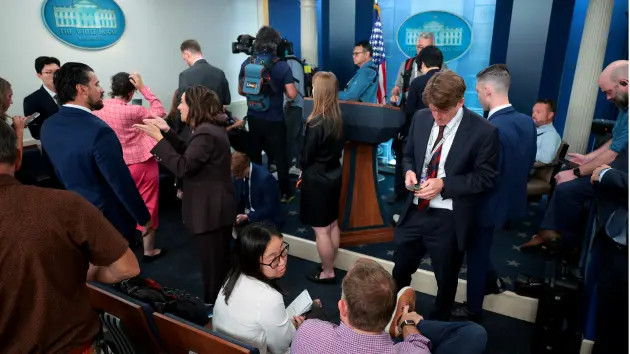
President Trump, however, has brushed off criticism. He praised the Qatari offer as a “great gesture” and said it would be “foolish” to reject it. The White House insists that the deal is being vetted for compliance. “The legal details are still being finalized, but all donations to the federal government follow proper legal procedures,” said Press Secretary Karoline Leavitt.
The controversy over the jet donation has reignited broader debates about foreign influence, government transparency, and the limits of presidential discretion. While Qatar has long maintained close ties with U.S. defense and business sectors, critics argue that this donation risks setting a dangerous precedent — one where foreign governments curry favor through high-profile gifts.
As legal reviews continue, the jet remains grounded, awaiting the extensive retrofitting required before it can serve as the presidential aircraft.