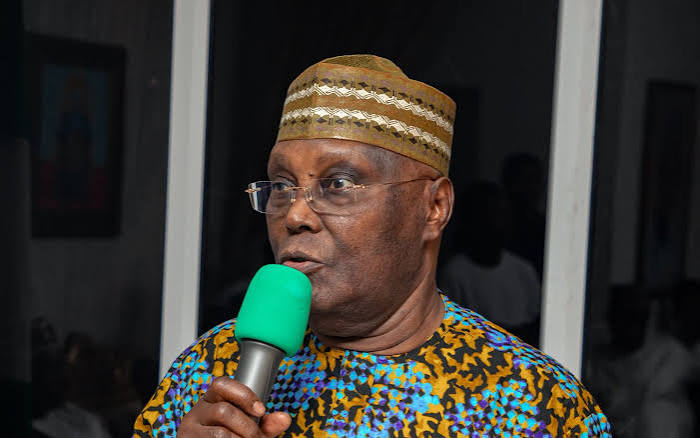
Former President Goodluck Jonathan has called on young Nigerians to reject tribal and religious sentiments in selecting leaders, warning that such divisions are undermining national development and the recruitment of competent leadership.
Speaking during an interview on Talking Books African, a programme by the Rainbow Book Club, Jonathan lamented the deepening ethnic and religious fault lines in the country, which he said continue to distort merit-based leadership selection.
“Nigeria today is divided along tribal and religious lines, and it worries me. If we don’t make deliberate changes, these divisions may persist into our grandchildren’s generation,” he said. “Most of the problems we face today stem from this foundation of division.”
Jonathan noted that appointments and elections are often dictated by parochial interests rather than competence, pointing to a system where political considerations such as tribe or faith override qualifications and expertise.
“When someone in public office wants to make an appointment, even if Mrs A is more competent than Mrs B, they’ll often choose Mrs B if she’s from the same tribe. This tribal bias distorts leadership recruitment,” he said.
He stressed that many Nigerians are more concerned with whether it’s “their turn” or if a candidate shares their religious affiliation than with who is most qualified to lead.
The former president urged the youth to lead the change by adopting competence as the primary criterion for electing and appointing leaders, just as they championed the Not Too Young To Run movement, which reduced the age requirement for contesting elective positions.
“It wasn’t easy, but young people came together and succeeded in getting the Not Too Young To Run law passed. That’s the kind of initiative needed again—this time, to reform how we assess leadership,” he said.
Jonathan cited historical examples of capable young leaders, such as former Head of State Yakubu Gowon, who became Nigeria’s leader at 32, and Alfred Diete-Spiff, who became a military governor at 28 and made a remarkable impact.
“Youths must begin to de-emphasize religious and tribal identities in politics. A 25-year-old can be more competent than someone who’s been around for 40 years but learned nothing,” he said.
He concluded by calling on young Nigerians to “gradually dismantle” tribal, religious, and age-related barriers to leadership, noting that such a shift is key to securing a more progressive and united Nigeria.