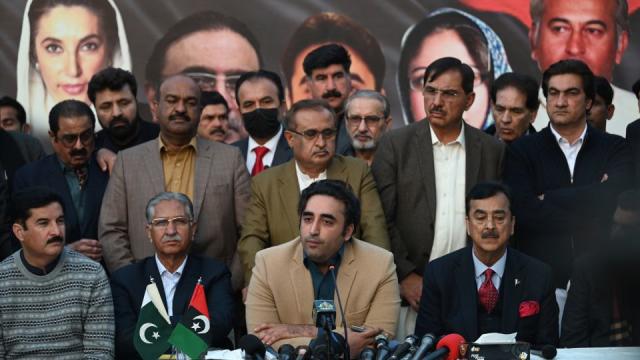
In the aftermath of last week’s contested election in Pakistan, Nawaz Sharif’s Pakistan Muslim League (PML-N) and Bilawal Bhutto Zardari’s Pakistan People’s Party (PPP) have entered into a pact to collaborate in forming a government. The unexpected election results saw independent candidates, supported by Imran Khan’s Pakistan Tehreek-e-Insaf (PTI), securing the majority of seats, throwing uncertainty into the political landscape.
The PPP, led by Asif Ali Zardari, announced their intention to assist the PML-N in electing a prime minister, emphasizing a joint commitment to the nation’s well-being. Despite previous electoral rivalry, both parties expressed a willingness to cooperate for political stability.
The PTI-backed independents clinched 93 out of 266 directly-elected seats, causing speculation about the composition of the next government. The PML-N secured 75 seats, while the PPP stood third with 54 seats. Further seats will be allocated from those reserved for women and non-Muslims, which are not available to independent candidates.
PML-N official Marriyum Aurangzeb stated that Nawaz Sharif plans to nominate his brother, Shehbaz Sharif, for the position of prime minister. Both brothers have previously served in this capacity. While the PPP has pledged support for a PML-N prime minister, Bilawal Bhutto Zardari asserted that his party would not seek cabinet positions.
Meanwhile, Imran Khan and the PTI continued to assert claims of election rigging against them, expressing intent to challenge the results. Imran Khan, addressing reporters in court, warned against the formation of a government based on what he deemed “stolen votes.” The electoral developments in Pakistan underscore the complex political dynamics and rivalries in the country, as parties navigate alliances and opposition in the pursuit of governance.
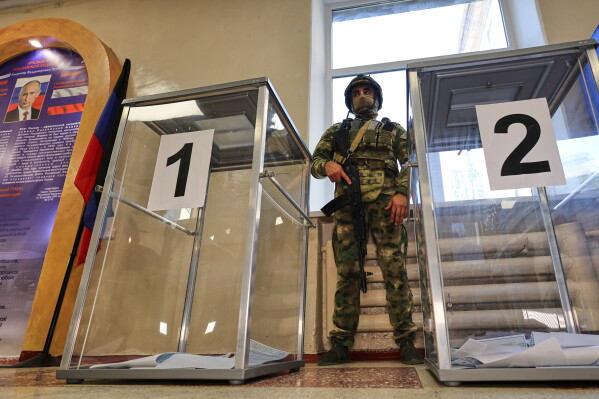
Accusations of vote tampering have ignited a wave of public outcry, with critics warning that such actions not only disrespect citizens but also pose a significant threat to the country’s already fragile economy.
The controversy stems from recent elections where concerns have been raised about the integrity of the electoral process. Detractors argue that any manipulation of votes would not only undermine the democratic principles the nation stands for but could also exacerbate the existing economic challenges.
While authorities firmly deny the allegations of vote tampering, the public remains skeptical, demanding transparency and accountability in the electoral procedures. The accusations have fueled growing tension and uncertainty among citizens who fear the potential consequences of compromised election results.
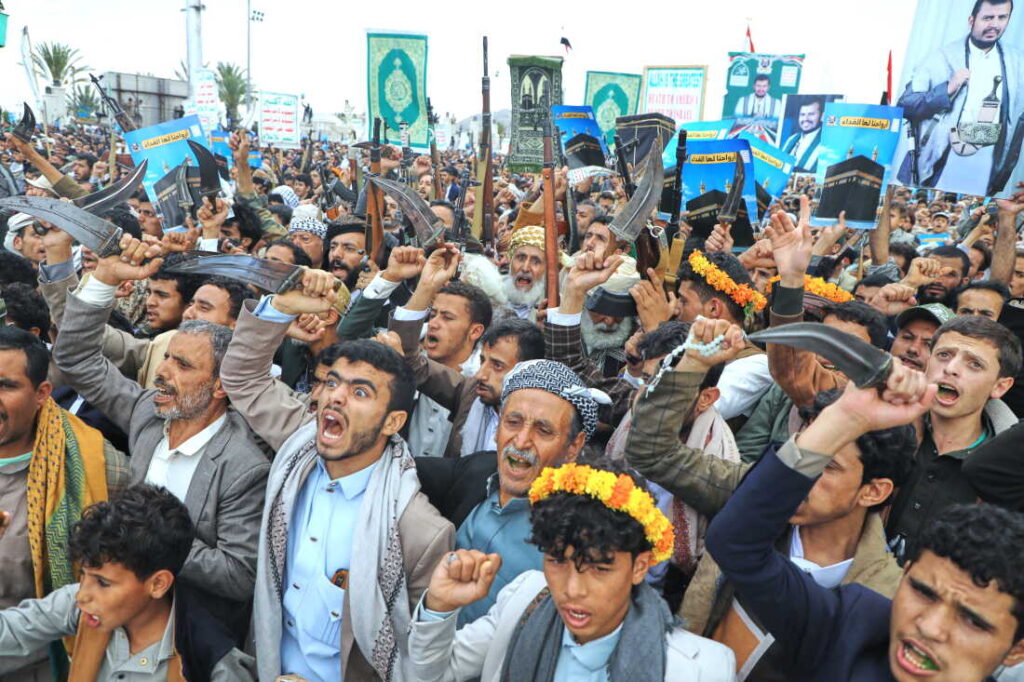
Civil society organizations and political activists have raised their voices against what they perceive as a threat to the democratic fabric of the nation. They emphasize that any perception of electoral fraud could have far-reaching implications, eroding public trust in the democratic institutions that form the backbone of the country.
The economic ramifications of such allegations are a cause for concern. Analysts warn that a perceived lack of fairness in the electoral process may lead to decreased investor confidence and hinder economic growth. In an already challenging economic environment, any additional strain on the country’s financial stability could exacerbate the current downward spiral.
As calls for impartial investigations and transparency intensify, the authorities face mounting pressure to address the allegations responsibly. The outcome of this situation will not only impact the political landscape but also play a pivotal role in shaping the economic trajectory of the nation in the coming months.