The Federal Competition and Consumer Protection Commission (FCCPC) is gearing up to introduce additional regulations for the digital lending space in 2024.
The aim of these regulations is to enhance loan recovery methods in the country, addressing the growing issue of default rates.
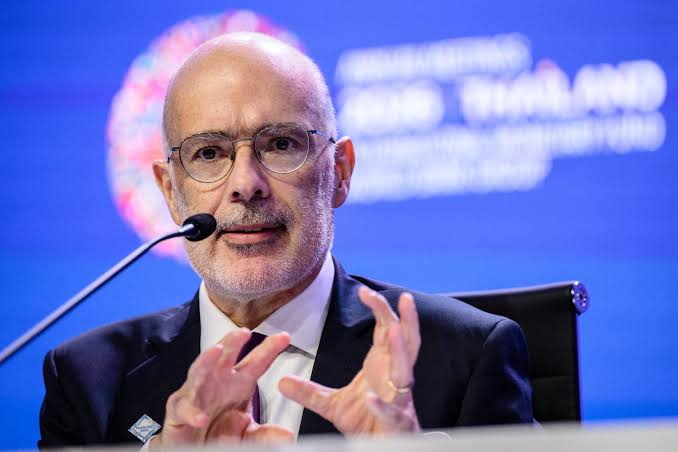
Babatunde Irukera, the Chief Executive Officer of the Commission, shared this information during an interview on TVC.
Despite the reduced rate of harassment in the sector by the FCCPC, Irukera highlighted the significant level of loan default among Nigerians.
He emphasized the need to find more sensible and ethical ways to recover loans, rejecting the notion that the only effective communication with Nigerians is through abuse.
He said, “One of the big issues that we are seeing is that there is now a significant level of loan default because people are not able to use these unethical and inappropriate loan recovery mechanisms, and I am insistent that you cannot say to me that the only language Nigerians understand is to abuse them. No, I disagree.
“We must necessarily do the work no matter how hard it is to find a more sensible way to recover loans because I also agree that if these digital money lenders are unable to recover their loans and drop out of the market, it is a consumer protection problem because of those who need those types of short-term unsecured lending.
“So, we have to find the balance and so some of the regulations that will come out in 2024 will be a broader approach to responsible borrowing and responsible lending by individuals and corporates. I am hopeful that the future of what we’re building is that even school landlords would be able to report to a centralized credit system about the conduct of tenants, students, and parents so that we can know each person’s level of fiscal responsibility or credit wordiness.”
The FCCPC recently reported an 80% reduction in harassment and defamatory messages within the sector.
Irukera pointed out that other countries, including India, Kenya, Brazil, Ghana, and Uganda, are observing and learning from the measures taken in Nigeria’s digital lending landscape.
Ada Peter