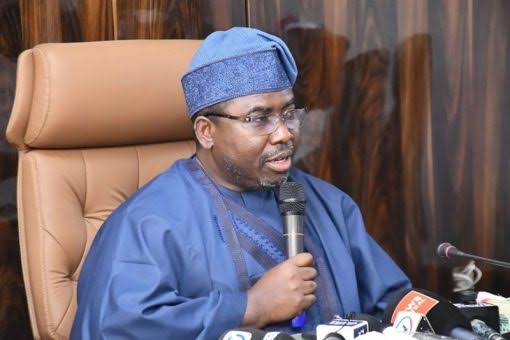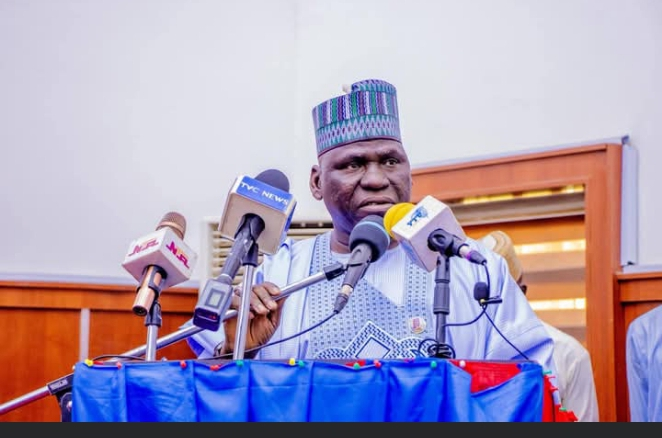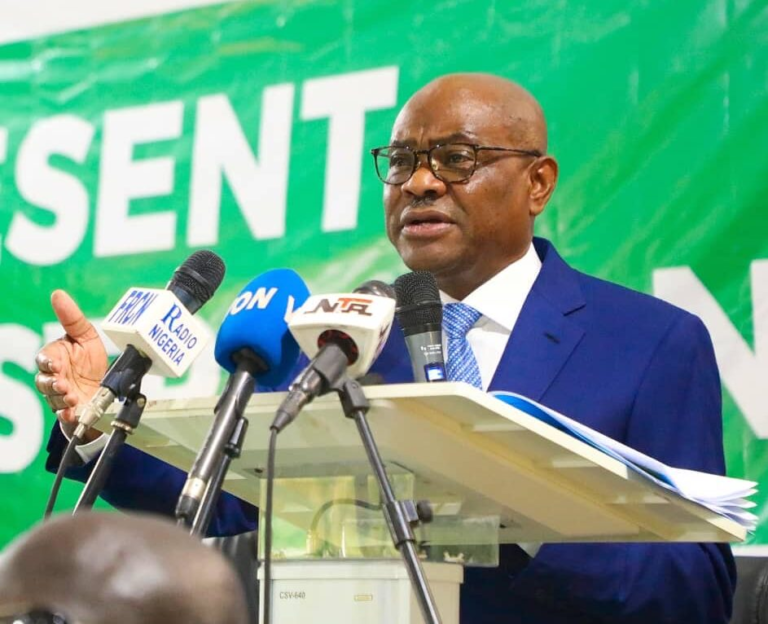
Minister of the Federal Capital Territory (FCT), Nyesom Wike, has defended his controversial land revocation policy, asserting his legal authority to reclaim and reassign lands from individuals or entities that fail to develop them or pay their dues.
Wike made the remarks during a courtesy visit by the board of the South-South Development Commission (SSDC) to his Abuja office, addressing allegations of political victimisation.
“I have never revoked land for political reasons, and I have never given revoked land to someone else unjustly. You can’t revoke land on public grounds and hand it over to another person,” he said. “But if you fail to comply with development guidelines, don’t pay ground rent, or abandon land for years, I have the right to revoke and reassign it.”
The minister also criticised what he described as a culture of entitlement among Nigerians, where citizens expect development and services without fulfilling their obligations. “People twist facts without even asking questions. Everyone wants roads, services, development but nobody wants to pay… You want roads built with blood. It doesn’t work that way. We must learn to comply with simple rules,” he added.
Turning to the SSDC board, Wike warned against internal disputes and financial recklessness that have plagued other intervention agencies. “Today, you are united because there’s no project and no money yet. But the moment ₦50 billion drops and someone spends it without approval, fights will start,” he said.
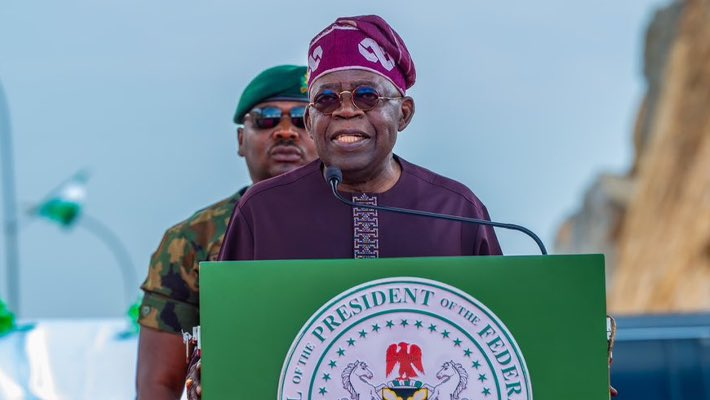
He urged total loyalty to President Bola Tinubu and a focus on delivering tangible development. “Make him proud by ensuring the South-South Development Commission delivers real impact. Avoid political projects. Don’t incur unnecessary costs,” Wike advised.
Earlier, SSDC Managing Director Ms. Usoro Akpabio commended Wike and pledged the commission’s commitment to his mandate. Reflecting on her personal connection to the FCT, where she began her civil service career between 2006 and 2007, Akpabio assured the minister that the SSDC would strengthen its Abuja liaison office to enhance collaboration with federal agencies and ensure the South-South region remains central to policy administration and development initiatives.