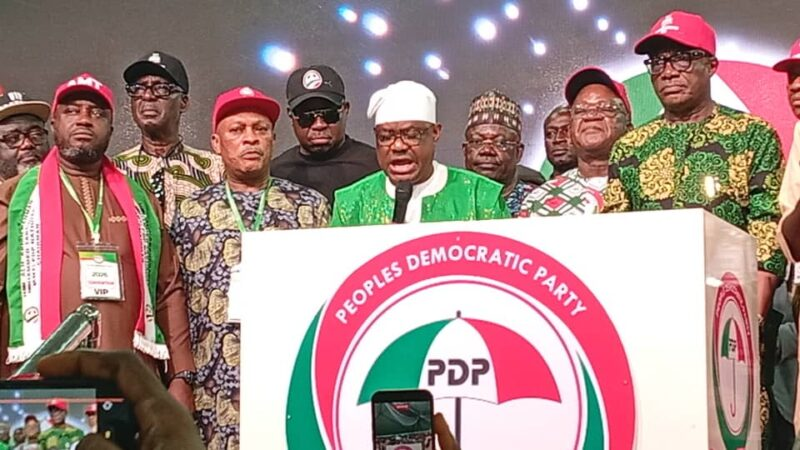
The Minister of the Federal Capital Territory (FCT), Nyesom Wike, has accused former Minister of Transportation, Rotimi Amaechi, of hypocrisy over criticisms of the electronic transmission provisions in the Electoral Act 2026.
Speaking during a media chat on Monday, Wike reacted to opposition parties’ rejection of the newly signed Electoral Act, particularly the clause permitting manual transmission of election results where electronic transmission fails due to poor network coverage.
He alleged that Amaechi, while serving under former President Muhammadu Buhari, opposed the approval of electronic transmission of results.
“Remember under Buhari, the issue of electronic transmission came. People like Rotimi Amaechi, they were in government, they said ‘no, don’t sign, if you sign you lose election’. And this is the same person now who is coming out in the public to say there should be electronic transmission,” Wike said.
Wike maintained that the Electoral Act 2026 does not abolish electronic transmission but merely introduces a safeguard to prevent voter disenfranchisement in cases where technology fails.
“They did not say there should not be electronic transmission. All they said is in case, and which is likely, let us not disenfranchise people by not allowing their votes to be counted,” he stated.
The former Rivers State governor also defended the Act’s provision mandating direct primaries for political parties, arguing that indirect primaries often enable wealthy individuals and party elites to dominate the process. According to him, direct primaries would help rebalance internal party democracy.
Wike further criticised what he described as a culture of constant complaints among Nigerians, recalling that indirect primaries were previously condemned for concentrating power in the hands of “moneybags.”
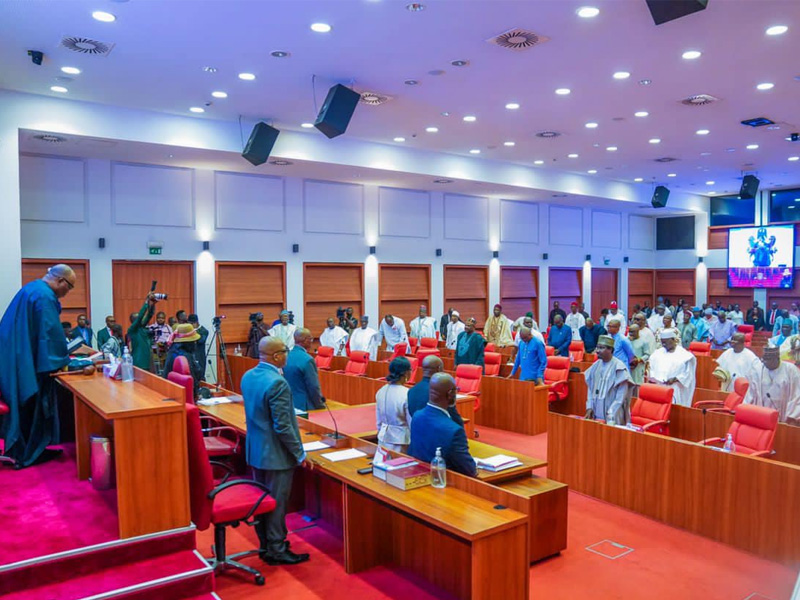
Meanwhile, opposition parties including the African Democratic Congress (ADC) and the New Nigeria Peoples Party (NNPP) have urged the National Assembly to initiate another amendment to remove what they described as “obnoxious provisions” in the Electoral Act 2026.
They argue that certain clauses in the amended law, recently signed by President Bola Ahmed Tinubu, could undermine electoral transparency and weaken public confidence in the voting process.
The debate over the new Electoral Act continues as political stakeholders gear up for the 2027 general elections.