World football governing body FIFA confirmed the decision on Thursday, just days before the tournament is scheduled to begin in Doha.
The withdrawal comes as Qatar and other Gulf nations remain on heightened security alert following the outbreak of military hostilities involving the United States and Iran in February.
The 48-nation tournament is scheduled to kick off on Wednesday, November 18, with the United States originally expected to begin its campaign against Montenegro on November 21.
The American team was also drawn to face Chile and Algeria during the group stage.
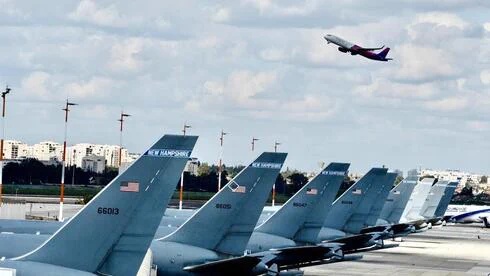
However, the United States Soccer Federation decided against sending its players and officials to Qatar, citing concerns over the safety of the delegation.
In a statement, FIFA acknowledged that the decision was influenced by the existing Level 3 travel advisory issued by the United States government, which urges American citizens to reconsider travel to Qatar.
Despite the withdrawal, FIFA noted that Qatar had successfully hosted other international sporting events this year under appropriate security arrangements.
The governing body has not yet announced whether another country will replace the United States in the tournament.
However, the Dominican Republic could emerge as a potential replacement after finishing second behind the United States in their qualifying group in the Confederation of North, Central America and Caribbean Association Football, commonly known as CONCACAF.
FIFA is expected to determine how the withdrawal will affect the tournament’s schedule and group-stage arrangements.
The decision could also expose the United States Soccer Federation to disciplinary action under FIFA’s tournament regulations.
According to the regulations cited in the report, a national federation withdrawing fewer than 30 days before its opening match could face a minimum fine of 20,000 Swiss francs, approximately $24,000.
Any financial penalty would be subject to a decision by FIFA’s disciplinary authorities.
The withdrawal raises questions about how international football organizations will respond to security concerns affecting teams participating in major tournaments.
Qatar has been selected to host every edition of the annual FIFA Under-17 World Cup from 2025 through 2029, making the country a central venue for the development of international youth football.
Despite regional security tensions and the American team’s withdrawal, the tournament is scheduled to proceed with participating nations competing for the world title.
The situation highlights the growing impact of geopolitical conflicts on international sporting competitions, particularly events taking place in regions affected by military tensions.
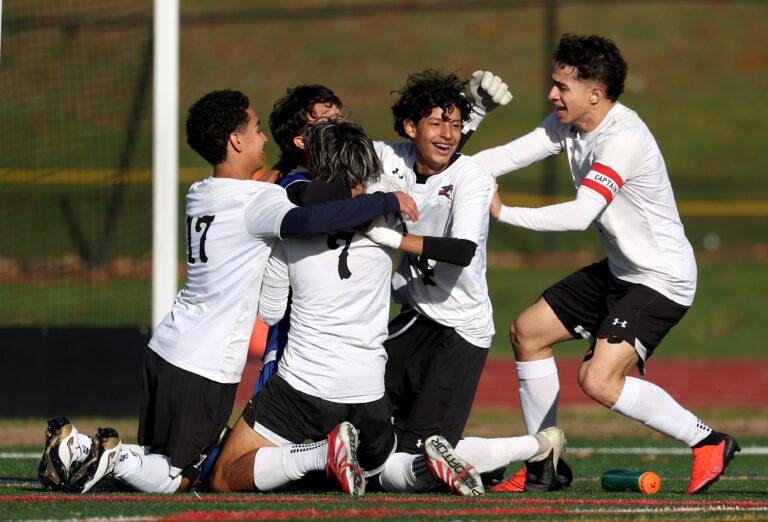
For the young American players who had qualified for the competition, the decision represents a significant setback, denying them the opportunity to compete on one of international football’s biggest youth stages.
As preparations continue in Doha, attention will turn to FIFA’s decision on a possible replacement and whether the security situation will affect other participating teams.