Rising hostilities between the United States and Iran are triggering fresh anxiety in Nigeria’s downstream oil sector, with energy experts warning that fuel prices could climb again if global crude benchmarks surge past $90 per barrel.
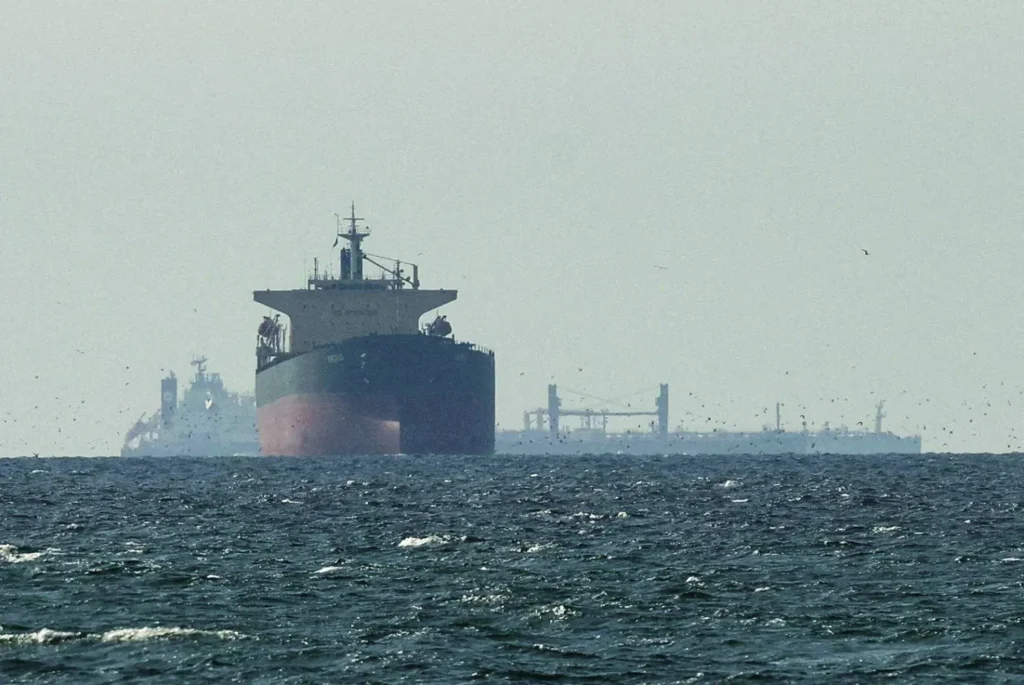
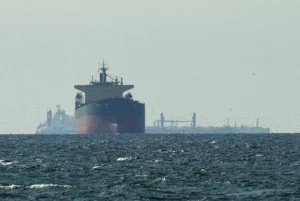
Analysts say the renewed Middle East crisis has injected volatility into the international oil market, exposing Nigeria’s fuel pricing to external shocks despite ongoing local refining efforts. Over the weekend, crude prices jumped by about 10 per cent after reports that several oil majors suspended tanker movements near the Strait of Hormuz, a key route for global oil shipments.
As of late Sunday, Brent crude traded at $72.87 per barrel, West Texas Intermediate at $67.02, while Nigeria’s Bonny Light stood at $78.62. Market watchers caution that a prolonged escalation could drive prices closer to — or beyond — the $90 mark.
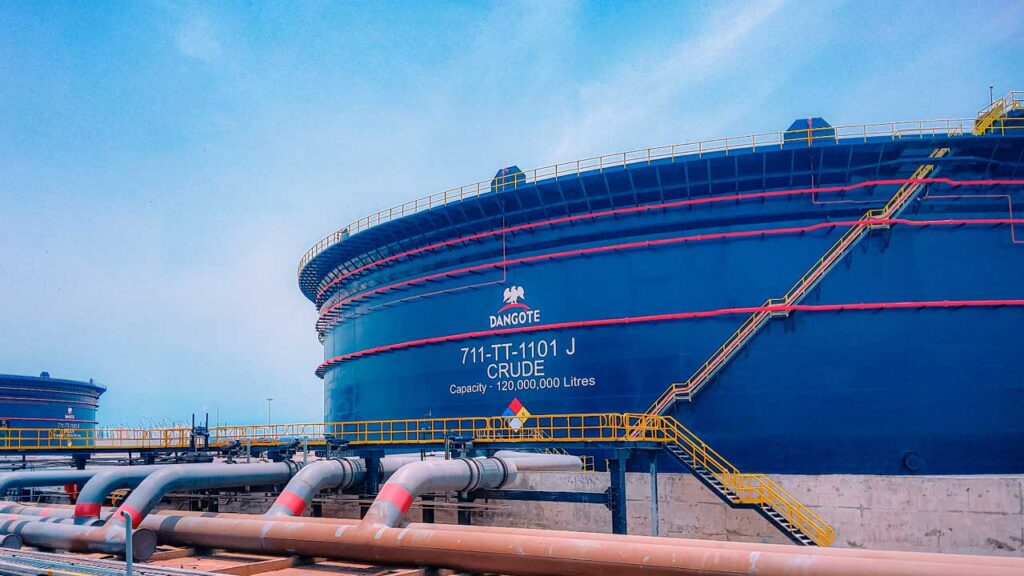
Across Nigerian cities, petrol currently sells between ₦824 and ₦880 per litre, following a recent adjustment by the Dangote Petroleum Refinery, which cut its ex-depot petrol price by ₦25 to ₦774 per litre in February 2026.
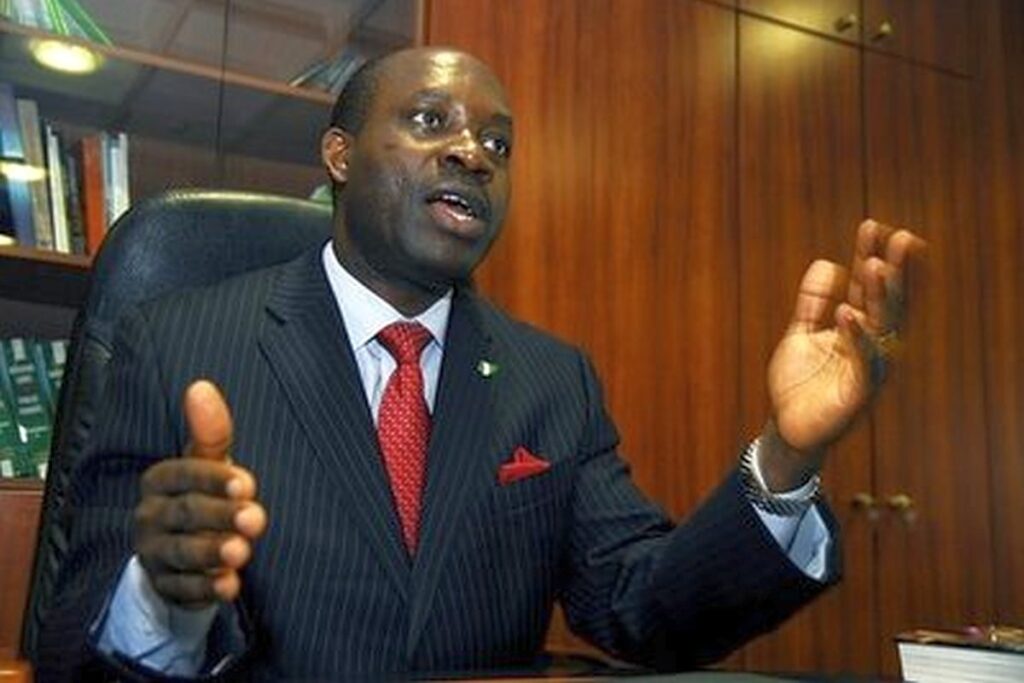
However, industry experts say that relief may be short-lived. Dairy Hills CEO Kelvin Emmanuel warned that Nigeria remains highly exposed to global price swings because the Dangote refinery still imports most of its crude feedstock. According to him, “Any sharp increase in crude oil prices from this escalation will lead to a revision in the cracking margin spread of the refiner and, consequently, the price of refined products.”
He added that rising war-risk insurance premiums on vessels operating near the Gulf would further raise costs. “If crude prices rise above $90 per barrel, the refiner will have to revise the price of PMS and diesel in Nigeria,” he said.
Similarly, Petroleumprice.ng CEO Olatide Jeremiah said Nigeria’s dependence on imported crude and refined products leaves consumers vulnerable. “Fuel prices will be at the mercy of oil prices,” he warned, adding that Nigerians should brace for possible price increases if tensions persist.
Legal and economic experts also note that following subsidy removal, Nigeria can no longer shield consumers from global market movements. University of Lagos energy law scholar Dayo Ayoade said, “Without subsidies, any crude price increase will directly impact fuel prices at the pump.”
While some analysts, including petroleum economist Wumi Iledare, urged against panic — arguing that today’s oil market is more diversified — marketers say they are closely watching developments.
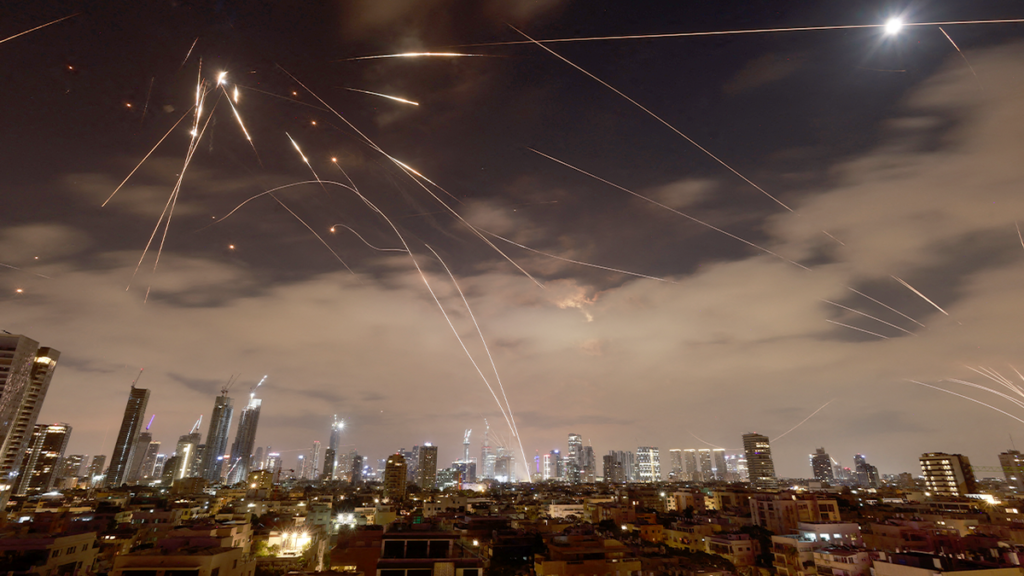
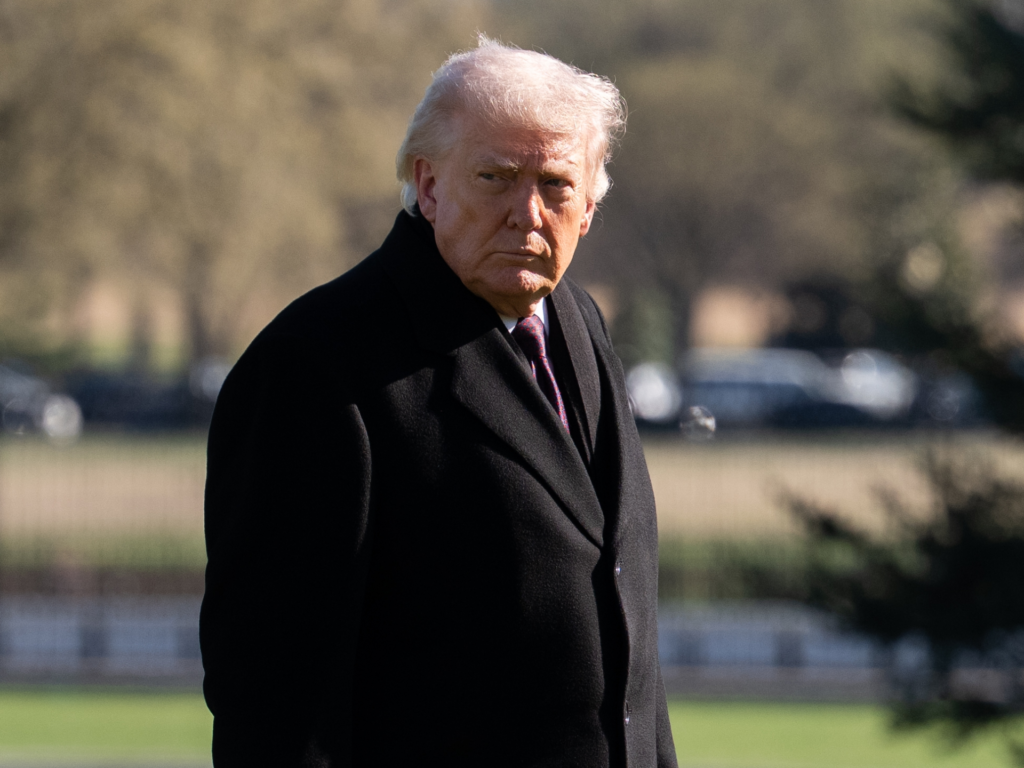
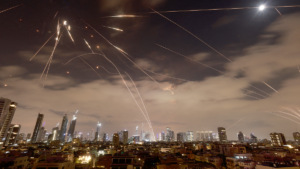
Meanwhile, the crisis intensified after coordinated US and Israeli strikes on Iran, with Donald Trump announcing that Iran’s supreme leader, Ayatollah Ali Khamenei, was killed during the attacks — a claim later confirmed by Iranian state media.
Experts stress that the unfolding situation underscores Nigeria’s continued exposure to global oil shocks, warning that boosting local crude supply, curbing theft, and prioritising domestic refineries remain critical to stabilising fuel prices and safeguarding energy security.