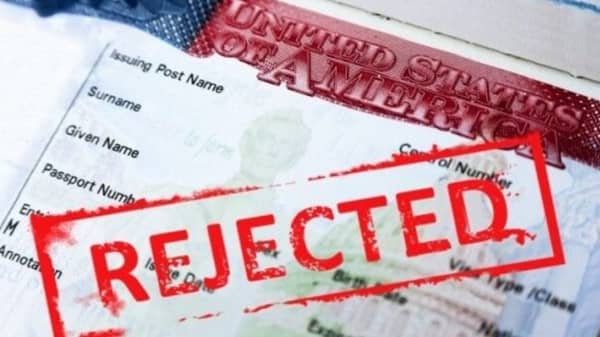
The United States government has launched a comprehensive review of more than 55 million existing visa holders, signaling a significant shift in immigration enforcement aimed at national security and compliance. The initiative introduces a system of continuous vetting, under which individuals may have their visas revoked if they are found to have violated U.S. immigration laws or engaged in activities deemed harmful to national interests.
According to a State Department official, visa holders will now be subject to real-time screening protocols that flag individuals for issues such as visa overstays, criminal behavior, suspected terrorist affiliations, or support for extremist ideologies. Cases that raise concern may result in immediate visa cancellation.
Matthew Tragesser, spokesperson for U.S. Citizenship and Immigration Services (USCIS), emphasized the importance of aligning immigration policy with national values. “America’s benefits should not be extended to those who oppose its values or promote hostility against the country,” he said, adding that USCIS remains committed to identifying and addressing threats, including ideological ones.
As part of the effort, authorities have been instructed to assess visa holders’ digital footprints, including social media activity. Content that indicates animosity toward U.S. institutions, or support for violence or extremist groups, could trigger further investigation. Officials are also expected to identify individuals promoting or participating in antisemitic attacks or with links to internationally designated terrorist organizations.
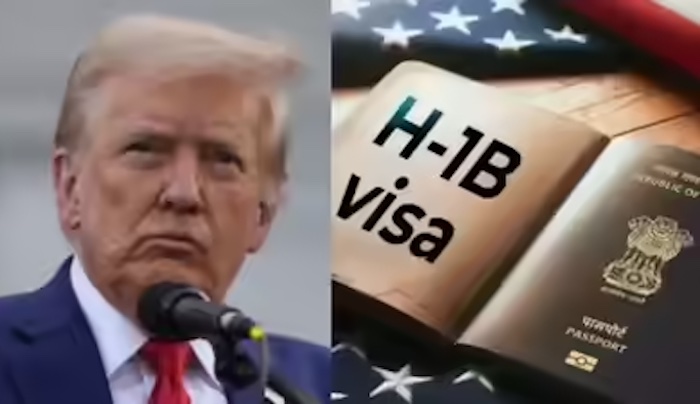
The expanded visa review is one of several hardline immigration policies introduced during President Donald Trump’s second term. Since returning to office in January, the administration has reinstated travel bans on a dozen countries, partially restricted immigration from seven others, and carried out large-scale deportations. Over 6,000 student visas have already been revoked this year.
Last week, Secretary of State Marco Rubio announced a suspension of new work visas for foreign commercial truck drivers, citing concerns over public safety and the protection of domestic employment. “The rising number of foreign drivers operating large commercial vehicles on U.S. roads presents an unacceptable risk,” Rubio stated.
Additional measures target select African countries. Citizens of Malawi and Zambia, for example, are now required to pay a $15,000 bond when applying for tourist or business visas—a move the administration says will ensure compliance with visa terms.
Critics, including civil rights groups and university organizations, have raised alarms over the sweeping scope of the review. There are growing concerns that political expression could be used as grounds for punitive action, particularly after reports that several international students were detained or expelled for participating in campus protests related to the Israel-Gaza conflict.
While administration officials defend the measures as essential to national security, opponents argue that the current policies risk eroding civil liberties and disproportionately affecting certain ethnic and political groups.