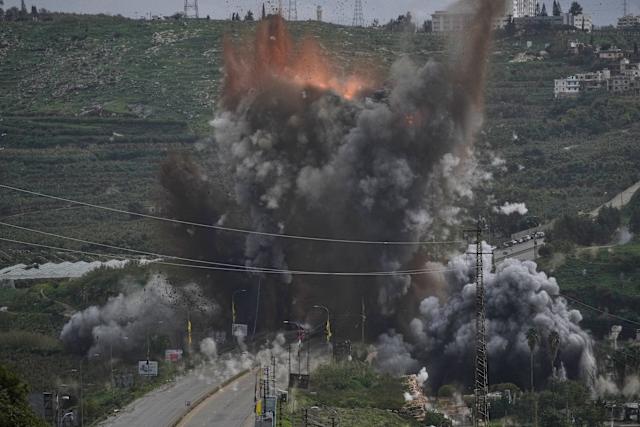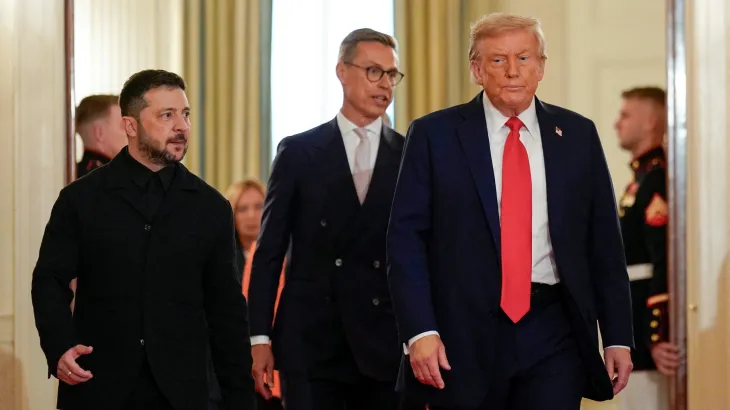
U.S. President Donald Trump has announced that several European leaders will travel to Washington early next week for high-stakes meetings focused on halting Russia’s intensifying war in Ukraine. The move comes as Russia launched its most extensive aerial attack to date—firing more than 800 drones and hitting central government buildings in Kyiv for the first time since the start of the war.
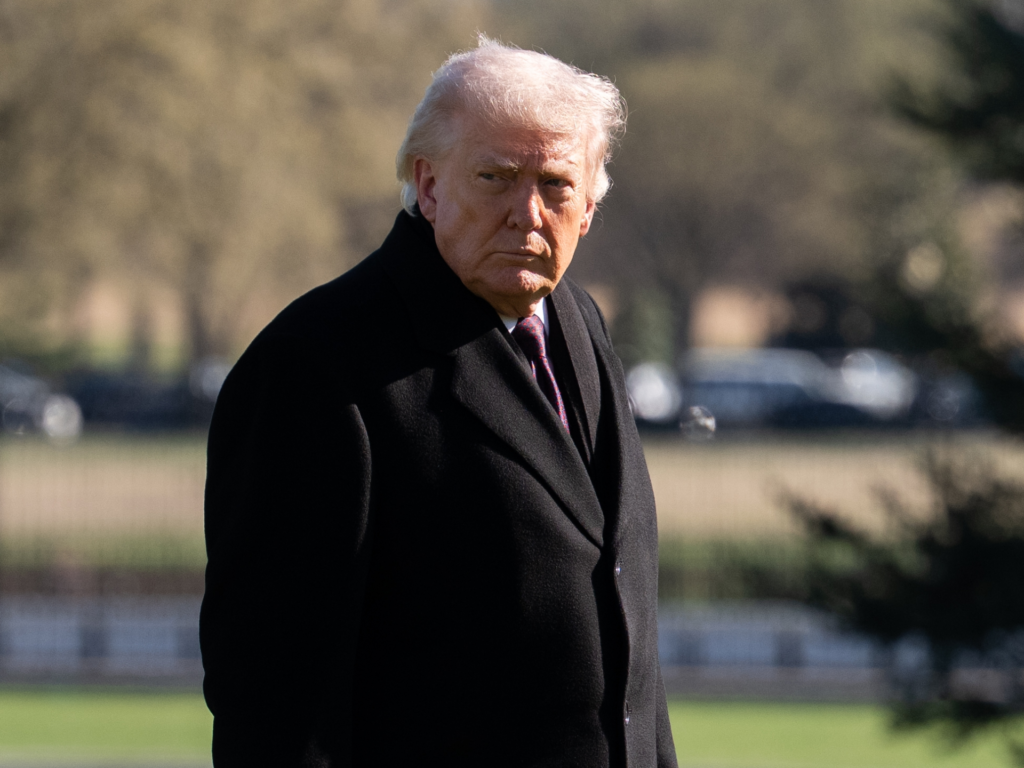
Speaking at a press briefing, Trump said he plans to meet each European counterpart “individually” on Monday or Tuesday, and suggested that a direct conversation with Russian President Vladimir Putin could follow. He also hinted that a new wave of sanctions targeting Moscow may soon be announced.
“I’m not happy with the whole situation,” Trump stated, in response to Russia’s renewed offensive. “We’re looking at all options.”
The White House is reportedly considering secondary sanctions that would target nations continuing trade with Russia. The policy would apply economic pressure on countries like India and China, which remain major importers of Russian oil and gas. Ukrainian President Volodymyr Zelensky has voiced strong support for such measures, calling them “the right idea.”
In an interview with ABC News, Zelensky criticized European nations that continue to purchase Russian energy.
“We have to stop buying any kind of energy from Russia. We can’t have any deals if we want to stop them,” he emphasized.
Zelensky warned that continued purchases from Moscow undermine international efforts to bring the war to an end.
Since launching its full-scale invasion in March 2022, Russia has earned an estimated $985 billion in energy export revenues, according to the Centre for Research on Energy and Clean Air. Despite Western sanctions, China and India remain top customers, even as global scrutiny intensifies.
While the European Union has pledged to eliminate Russian energy imports by 2027, Zelensky is urging faster timelines. The United States, meanwhile, has already imposed 50% tariffs on Indian goods in retaliation for ongoing Russian oil deals—sanctions that Indian officials claim are detrimental to their national interests.
The upcoming Washington summit may signal a pivotal moment in diplomatic efforts to de-escalate the war. Trump’s willingness to re-engage directly with Putin, alongside coordinated economic action, is likely to shape the global response in the coming weeks.