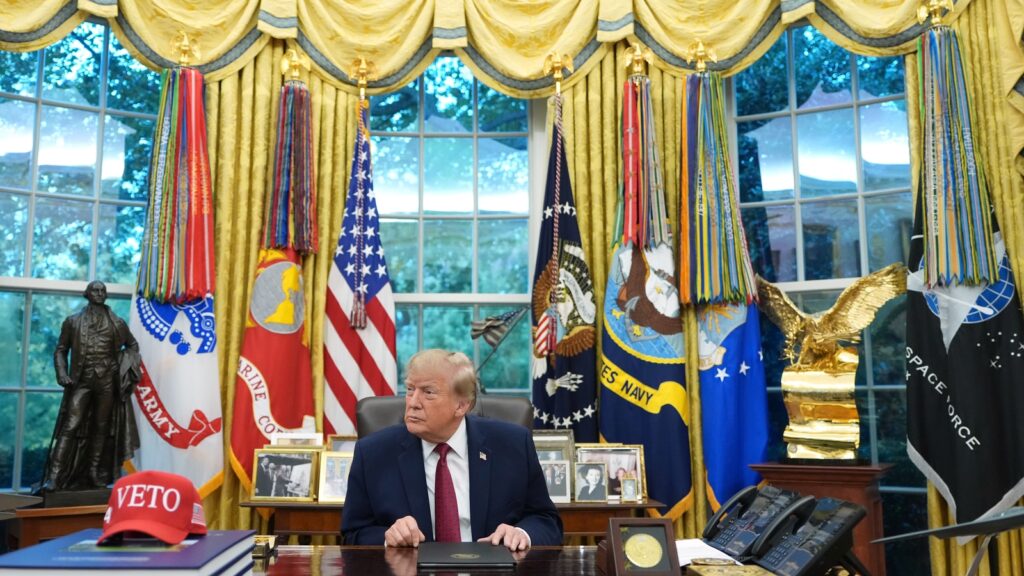
Speaking to reporters at the White House on Monday, November 9, Trump confirmed that he had spoken with Huang by telephone following reports linking the Nvidia chief to Alice Huang, a former senior executive at Singapore-based technology company Megaspeed International.
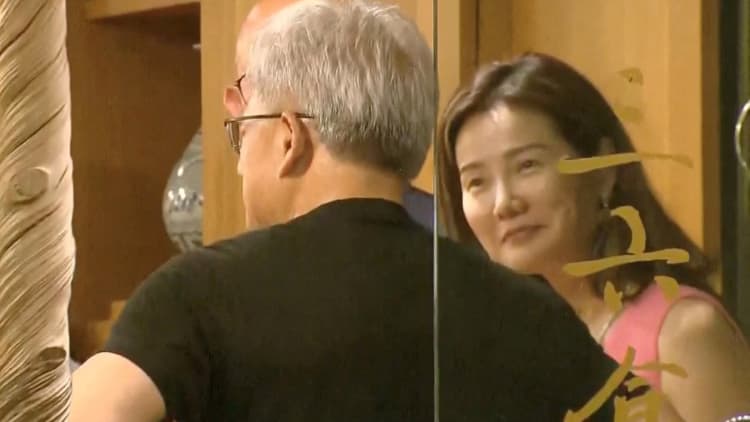
The controversy erupted after media reports alleged that Jensen Huang had been involved in an extramarital relationship with Alice Huang, whom U.S. intelligence officials reportedly suspect of conducting espionage activities on behalf of the Chinese government.
Trump said he directly questioned the Nvidia chief about whether he had been aware of the woman’s alleged intelligence connections.
According to the president, Huang categorically denied having any knowledge that she was suspected of working as a spy.
Trump expressed confidence in Huang’s explanation, describing him as an honorable individual and suggesting that he believed the technology executive had acted without knowledge of any alleged espionage activities.
The president also disclosed that the Federal Bureau of Investigation was examining aspects of the controversy, although he declined to provide details about the nature or scope of the inquiry.
When repeatedly questioned about when he first became aware of the allegations, Trump avoided giving a specific timeline.
He nevertheless expressed optimism that Huang would emerge from the controversy without serious consequences.
The president’s remarks have brought additional attention to the potential national security implications of the allegations, particularly given Nvidia’s dominant position in the global artificial intelligence semiconductor industry.
The company produces advanced computer chips used in artificial intelligence systems, data centers and other technologies considered strategically important to the United States.
Meanwhile, Nvidia’s board of directors announced Sunday that it had initiated an independent investigation following reports that its founder and chief executive may have been targeted by a foreign intelligence operation.
In an official statement, the company said the investigation would be overseen by a committee of independent directors working with outside legal counsel.
The board emphasized that protecting American national and economic security remained a priority and pledged to examine all relevant information surrounding the allegations.
However, Nvidia maintained that it had no reason to believe company secrets or U.S. national security had been compromised.
The company also reaffirmed its confidence in Huang’s leadership, confirming that he had pledged his full cooperation with the investigation.
Huang separately acknowledged having been unfaithful to his wife and apologized to his family and Nvidia colleagues, accepting responsibility for his personal conduct.
The controversy has also triggered legal action against Nvidia and its chief executive.
A shareholder filed a proposed class-action lawsuit in federal court in California on Monday, accusing the company and Huang of making misleading statements and failing to adequately disclose information concerning the executive’s relationship with Alice Huang.
The complaint alleges that the lack of disclosure exposed investors to previously undisclosed risks involving the company’s reputation, leadership and potential national security concerns.
The allegations in the lawsuit have not been established in court.
The reported intelligence concerns have intensified scrutiny of business relationships involving American semiconductor companies and foreign technology firms.
Megaspeed International has previously faced allegations concerning possible efforts to circumvent U.S. restrictions on the export of advanced computer chips to China.
However, the espionage allegations involving Alice Huang remain unproven, and Chinese authorities have rejected claims that she was acting on Beijing’s behalf.
As investigations continue, questions remain over whether any sensitive information was compromised and what implications the controversy could have for Nvidia’s leadership and business operations.
For now, Trump has publicly expressed confidence in Jensen Huang, while Nvidia’s independent inquiry and the shareholder lawsuit add fresh uncertainty surrounding one of the world’s most influential artificial intelligence companies.