President Bola Ahmed Tinubu on Wednesday lifted the emergency rule imposed on Rivers State since March 18, 2025, paving the way for Governor Siminalayi Fubara, his deputy, Ngozi Nma Odu, Speaker Martins Amaewhule, and all members of the State House of Assembly to resume duties from Thursday, September 18.
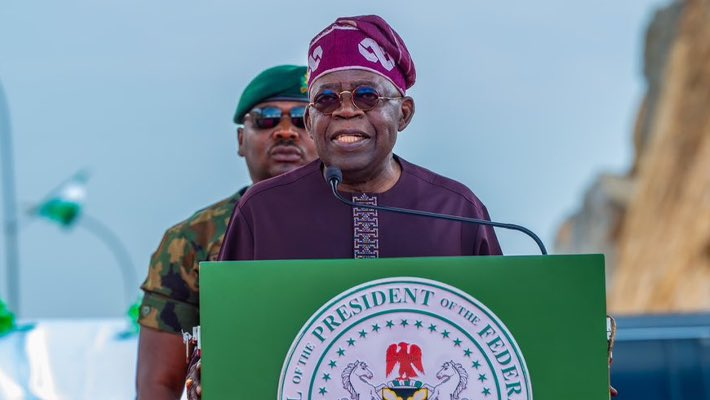
Tinubu, in a personally signed statement, said he was encouraged by “a new spirit of understanding” among political stakeholders in the state, which he described as a sign of readiness to return to democratic governance.
“I therefore do not see why the state of emergency should exist a day longer than the six months I had pronounced at the beginning of it,” the president said, stressing that peace, order, and good governance remain essential to delivering democratic dividends.
The emergency rule was declared on March 18 following a bitter power struggle between Governor Fubara and his predecessor, Nyesom Wike, which paralyzed governance in the state. With only four lawmakers backing the governor and 27 supporting the Speaker, the crisis stalled the presentation of the budget and left critical assets such as oil pipelines vulnerable to vandalism.
Vice Admiral Ibok-Ete Ekwe Ibas (rtd) was appointed Sole Administrator during the period.
Analysts, however, say that while the lifting of the emergency restores constitutional governance, Governor Fubara returns politically weakened. Reports suggest that reconciliation deals brokered by President Tinubu included conditions such as Fubara not seeking re-election in 2027 and conceding control of key political structures to Wike.
The president defended his decision to invoke Section 305 of the 1999 Constitution (as amended), saying Rivers had faced “a total breakdown of order” and that even the Supreme Court held in one of its judgments that “there was no government in Rivers State.”
While acknowledging dissenting voices and more than 40 legal challenges to the proclamation, Tinubu maintained that declaring the emergency was necessary to prevent anarchy.
“I take this opportunity to remind governors and lawmakers nationwide that it is only in an atmosphere of peace, order, and good government that we can deliver the dividends of democracy to our people,” he added.
The move ends six months of direct federal intervention in Rivers, but political observers warn that the balance of power remains tilted against Governor Fubara, with Wike’s influence still looming large.