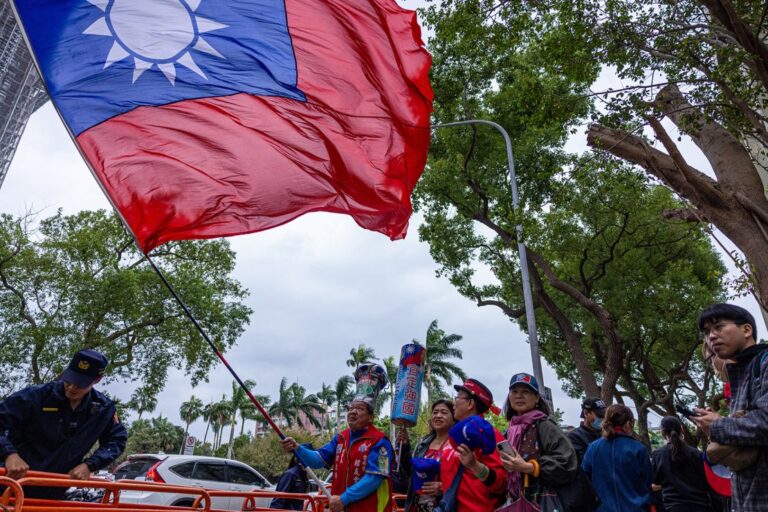
Taiwan is bracing for a high-stakes recall vote this weekend that could reshape its legislature, as opposition lawmakers face challenges not only from domestic critics but also amid controversial support from Chinese officials and state media—further heightening political tensions on the island.
The vote targets 24 lawmakers from the opposition Kuomintang (KMT), Taiwan’s largest opposition party, who collectively represent roughly 20% of the legislature. Civic groups launched the recall campaign earlier this year, accusing the KMT of undermining national security by cozying up to China, opposing defense spending, and fostering gridlock in parliament.
President Lai Ching-te won office last year, but his Democratic Progressive Party (DPP) lost its legislative majority. The KMT and its allies have since used their strengthened position to push through legislation opposed by the administration and to cut key areas of government spending, including defense—actions that have drawn fierce criticism from pro-DPP groups.
The political standoff is unfolding against a backdrop of intensifying Chinese military and diplomatic pressure on Taiwan. While President Lai has repeatedly called for dialogue with Beijing, Chinese officials have rebuffed his outreach, continuing to assert territorial claims over the island.
In a move that has raised eyebrows in Taipei, two senior Chinese officials publicly condemned the recall effort in June, calling it a “political ploy” orchestrated by the Lai administration. Zhu Fenglian, spokesperson for China’s Taiwan Affairs Office, accused Lai of “engaging in dictatorship under the guise of democracy” and using state power to stifle opposition.
The KMT has pushed back against suggestions that it is aligned with Beijing, insisting it neither requested nor welcomes Chinese support. Party spokesperson Crystal Yang said the recall fight is strictly a domestic matter.
“We feel the same way as all the people of Taiwan—this is our business,” Yang said. “It’s a contest between the DPP and the KMT for public support and recognition. It has nothing to do with the mainland.”
Still, the DPP and its supporters frame the recall movement as a critical defense of Taiwan’s sovereignty, branding it “anti-communist” and accusing the KMT of jeopardizing national interests through its political conduct.
As voters head to the polls on Saturday, the outcome could have lasting implications—not only for Taiwan’s legislative balance but also for its fragile relationship with China and the broader regional stability in East Asia.