In a tense and prolonged late-night session on Saturday, Senate Republicans narrowly advanced President Donald Trump’s sweeping economic package, which combines extended tax breaks, deep spending cuts, and increased funding for immigration enforcement. The vote, a key procedural step toward final passage, ended 51-49, with Vice President JD Vance present at the Capitol to break a potential tie.
The vote followed more than three hours of stalled proceedings and behind-the-scenes negotiations, as several Republican senators voiced concerns over the bill’s proposed Medicaid and food stamp cuts. Ultimately, two GOP senators—Thom Tillis of North Carolina and Rand Paul of Kentucky—joined all Democrats in voting against the motion to proceed.
With the Independence Day deadline fast approaching, Republican leaders face a challenging path forward. The “One Big Beautiful Bill Act,” a 940-page piece of legislation released just before midnight on Friday, will now undergo days of intense debate and amendments. If approved by the Senate, it would return to the House for final passage before heading to the president’s desk.
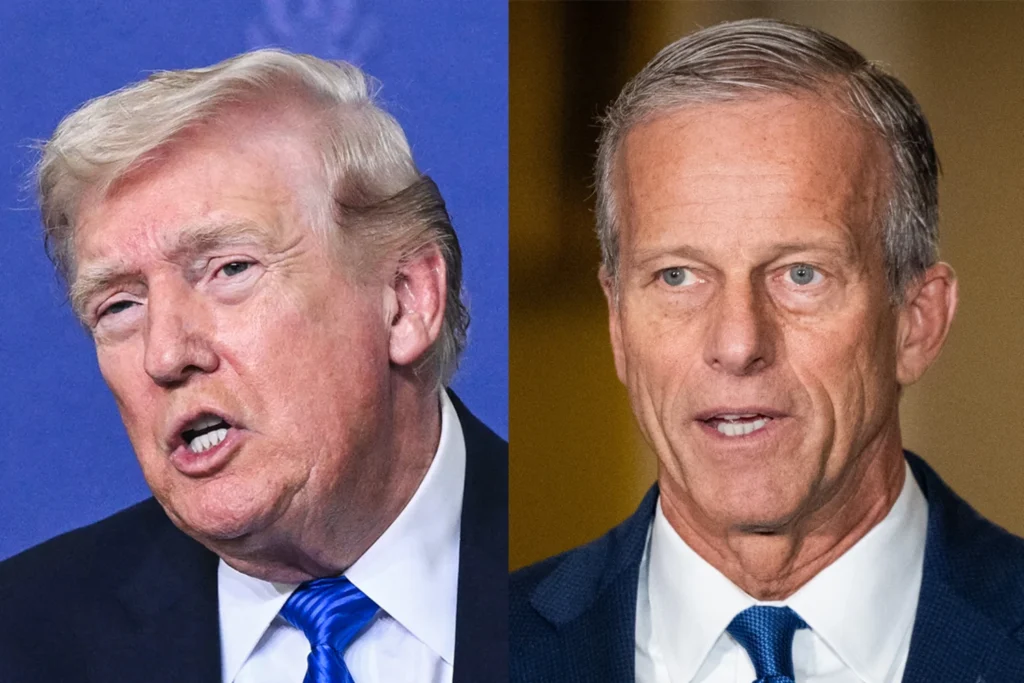
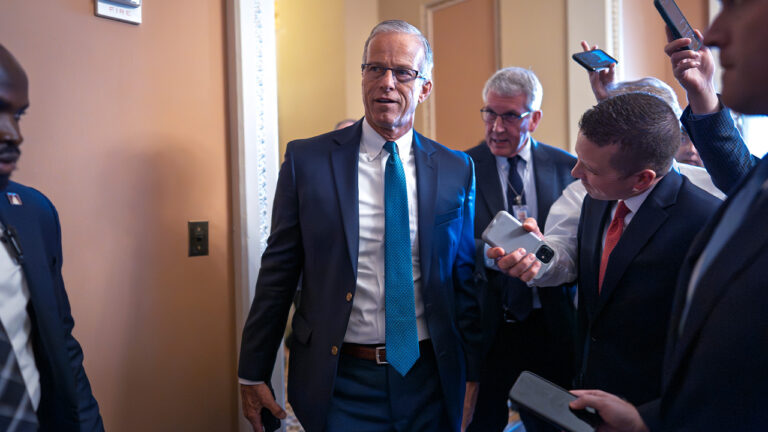
Senate Majority Leader John Thune (R-S.D.) urged unity, saying, “It’s time to get this legislation across the finish line.”
The White House has thrown its full support behind the bill. President Trump spent Saturday golfing with supportive senators in Virginia, later turning to social media to criticize GOP holdouts. He specifically called out Sen. Tillis, threatening political retaliation for opposing the bill over concerns that Medicaid cuts would harm low-income residents in North Carolina.
Billionaire Elon Musk also weighed in, calling the package “utterly insane and destructive,” adding pressure from both political and business fronts.
Democrats, meanwhile, condemned the process. Senate Majority Leader Chuck Schumer (D-N.Y.) decried the late-night release of the bill and accused Republicans of trying to push it through before the public fully understands its implications. In protest, Schumer demanded a full reading of the bill on the Senate floor, delaying proceedings further.
The stakes are high for the GOP. Trump has made this legislation the cornerstone of his second-term domestic agenda, urging Republicans to unify and deliver results.
The bill seeks to make permanent many of the 2017 Trump-era tax cuts set to expire by year’s end, while adding new provisions like tax-free tips for service workers. It also allocates $350 billion toward national security, including significant funding for Trump’s mass deportation initiatives.
However, the steep cuts to programs like Medicaid, SNAP (food stamps), and clean energy subsidies have sparked internal divisions. Some moderate Republicans fear the social safety net will be gutted, while fiscal conservatives argue the cuts don’t go far enough to address rising national debt.
As the Senate enters what could be a make-or-break legislative weekend, both parties are bracing for an intense political showdown that could define Trump’s economic legacy—and reshape the federal budget for years to come.