The Pentagon is developing a range of military scenarios for a potential “final blow” against Iran, including large-scale airstrikes and possible ground operations, according to U.S. officials familiar with internal discussions.
The options are being considered as the war enters a critical phase, with escalation increasingly likely if diplomatic efforts stall—particularly if the Strait of Hormuz remains closed. Some officials believe a decisive show of force could strengthen U.S. leverage in negotiations or provide a clear endpoint for the conflict.
Among the scenarios under review are operations targeting key strategic sites. These include a potential blockade or seizure of Kharg Island, Iran’s primary oil export terminal, and military action against Larak Island, which plays a central role in controlling traffic through the Strait of Hormuz.
Other options involve taking control of Abu Musa and nearby islands, which are controlled by Iran but claimed by the United Arab Emirates, or intercepting vessels transporting Iranian oil through the region.
Officials have also discussed more complex operations aimed at securing Iran’s nuclear materials located deep inside fortified facilities. Alternatively, the U.S. could attempt to neutralize those sites through extensive bombing campaigns.
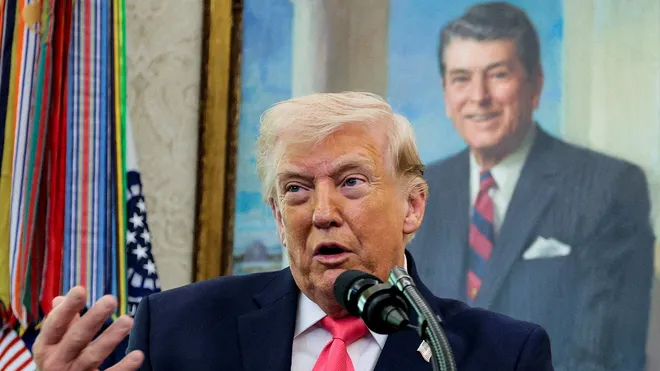
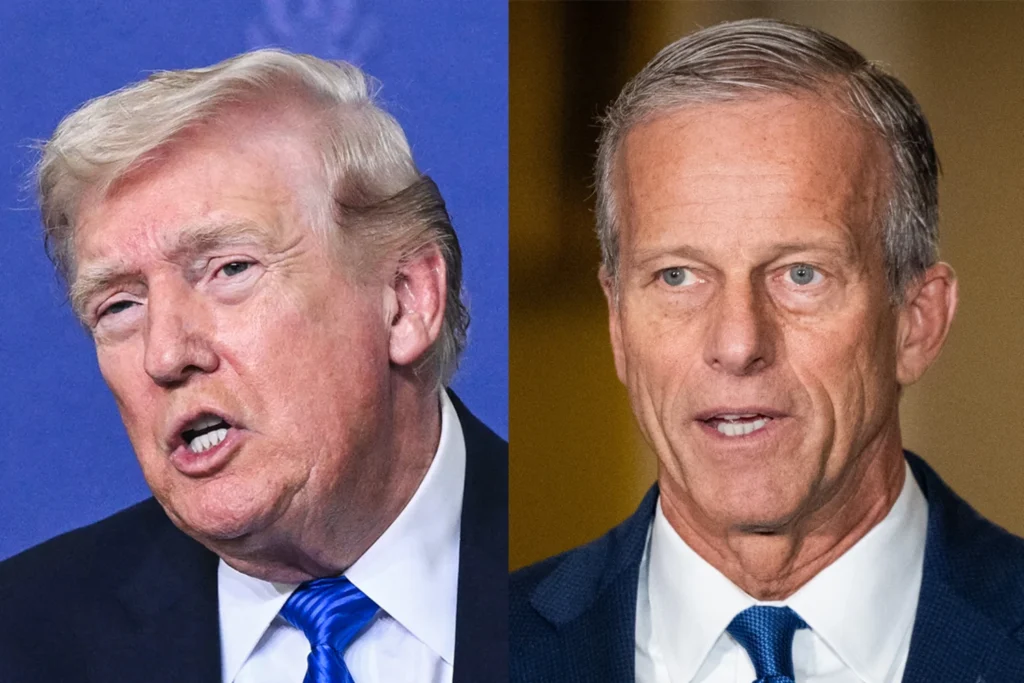
Despite these preparations, President Donald Trump has not made a final decision, and administration officials have described potential ground operations as hypothetical. However, sources say the president is prepared to escalate if diplomatic talks fail to produce results.
The White House has signaled a hardening stance. Press Secretary Karoline Leavitt warned that the U.S. is ready to strike “harder than ever before” if Iran does not agree to a deal, adding that any further escalation would be the responsibility of Tehran.
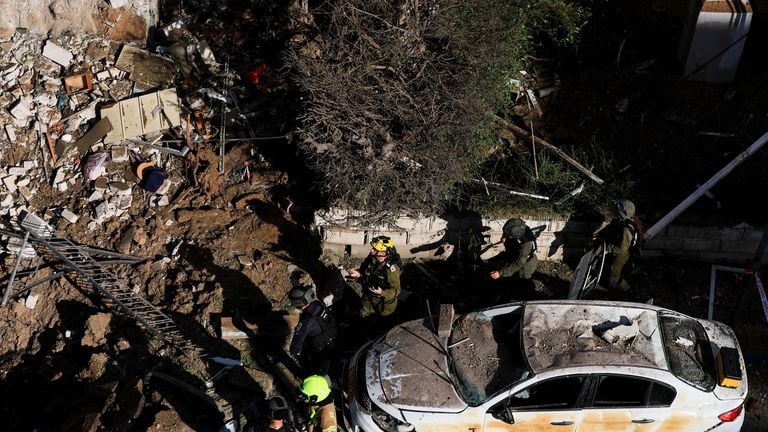
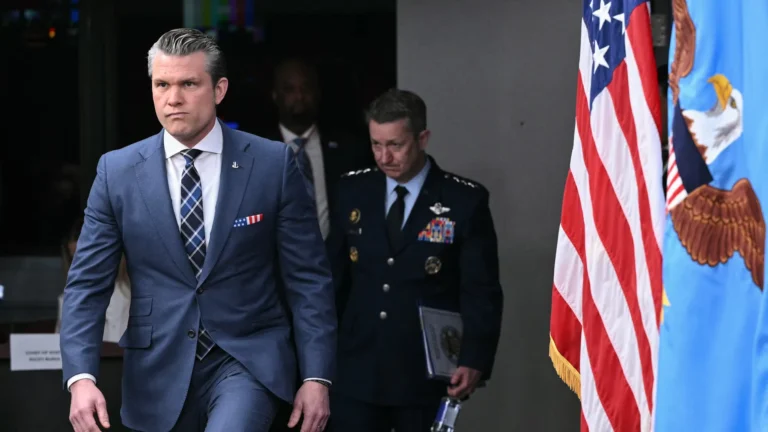
Meanwhile, U.S. military reinforcements—including additional fighter squadrons and thousands of troops—are expected to arrive in the Middle East in the coming weeks, underscoring the growing possibility of a broader and more intense phase of the conflict.