Pakistan is intensifying diplomatic efforts to help end the war involving Iran, even as it faces a deepening and deadly conflict with neighboring Afghanistan.
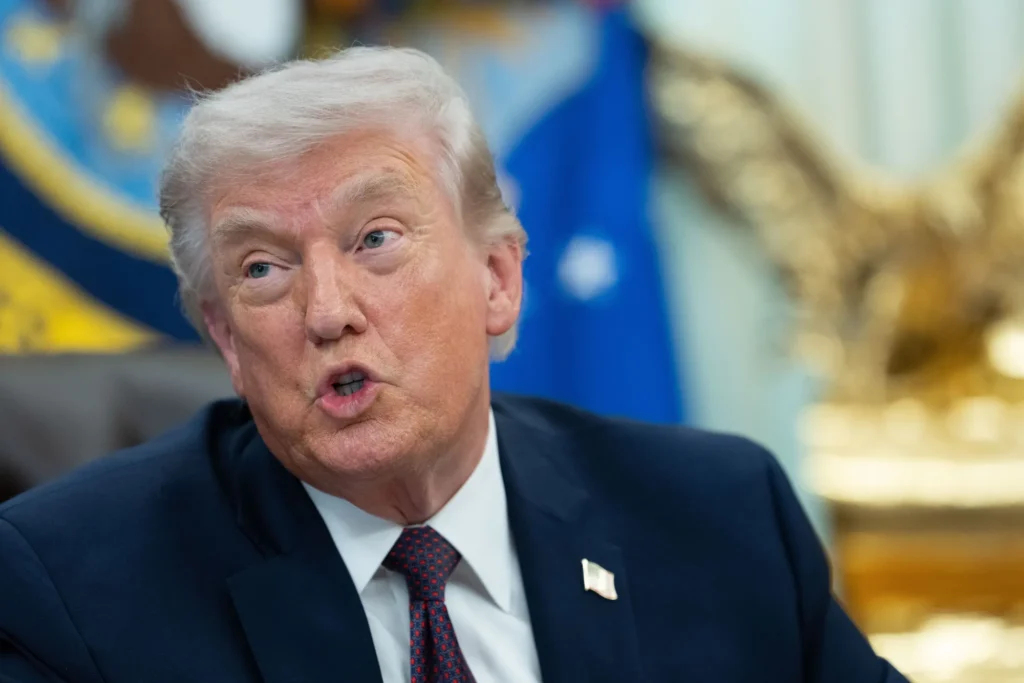
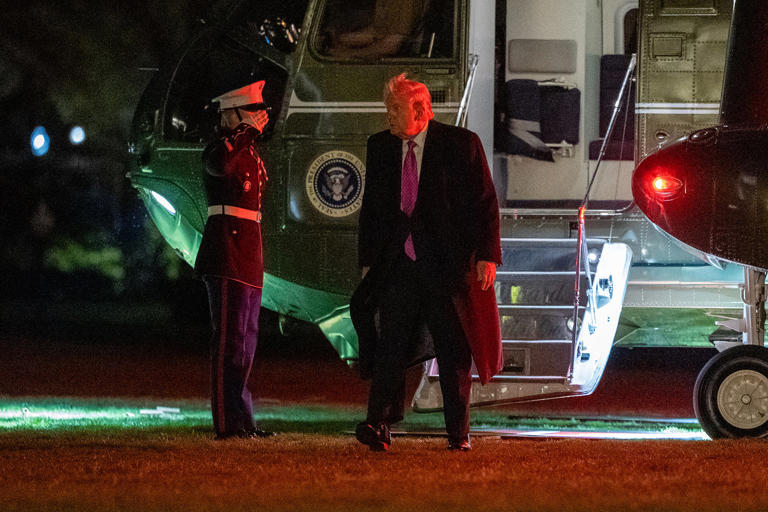
Islamabad has emerged as a key intermediary in efforts to broker peace between the United States and Iran, offering to host potential negotiations in its capital. President Donald Trump has indicated that progress toward talks is being made, although Tehran has denied that formal negotiations are underway.
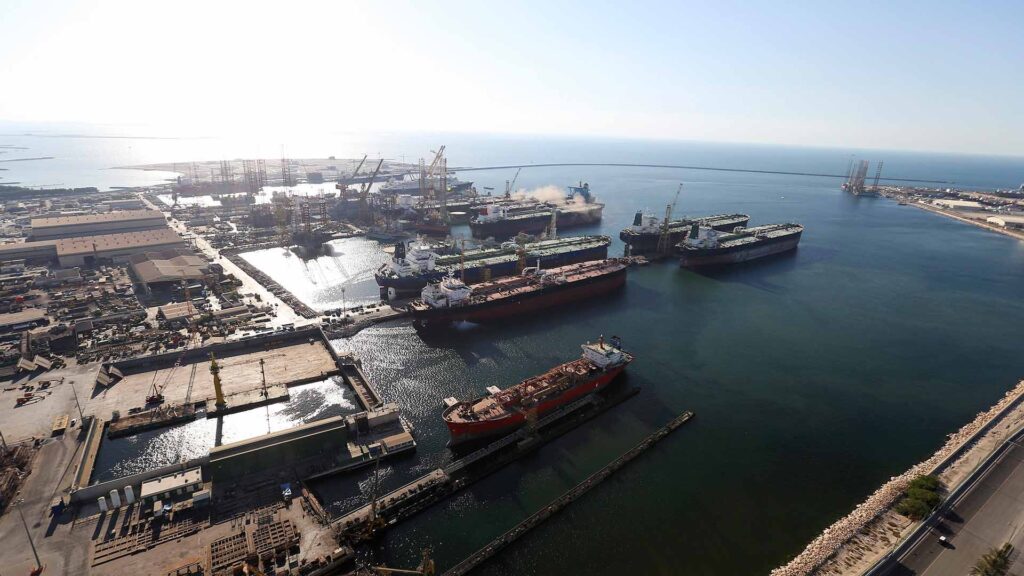
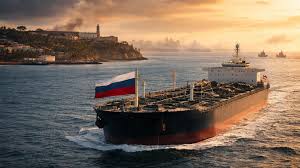
Pakistan’s push to mediate comes amid significant economic stakes. The ongoing conflict has disrupted access to the Strait of Hormuz, through which the country imports most of its oil and gas, increasing pressure on its economy.
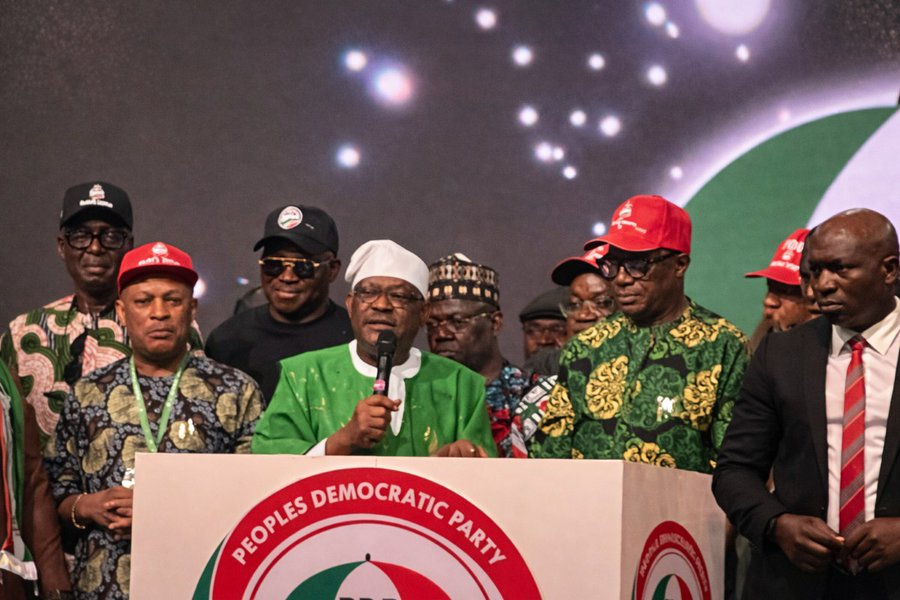
In recent weeks, Pakistan has facilitated the transmission of a U.S. ceasefire proposal to Iran and hosted high-level discussions in Islamabad involving foreign ministers from Saudi Arabia, Turkey, and Egypt, all seeking to de-escalate the conflict.
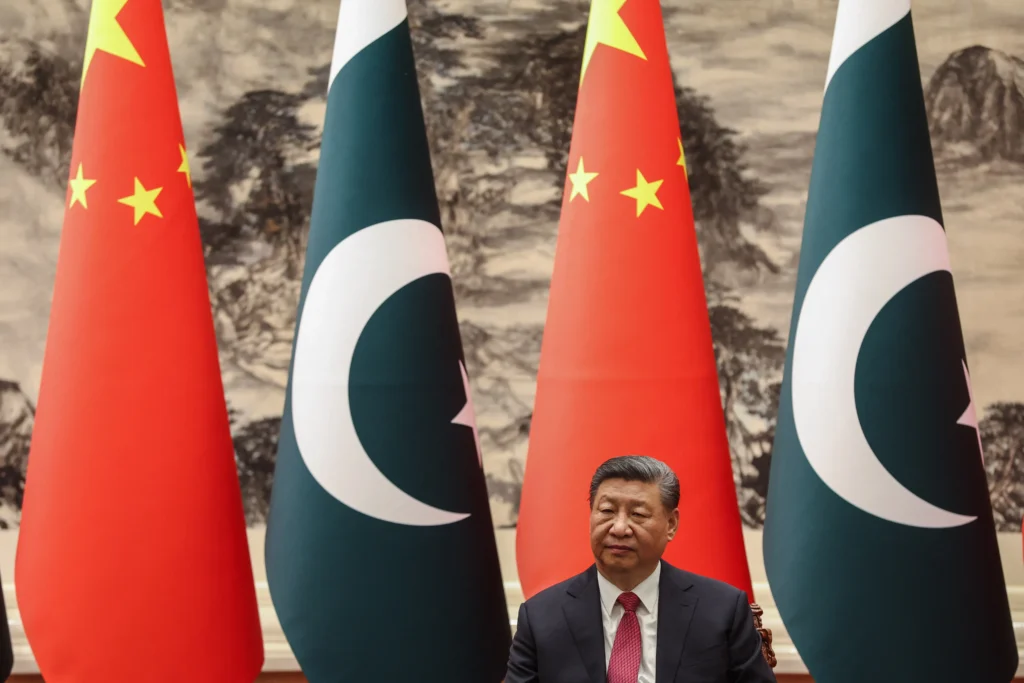
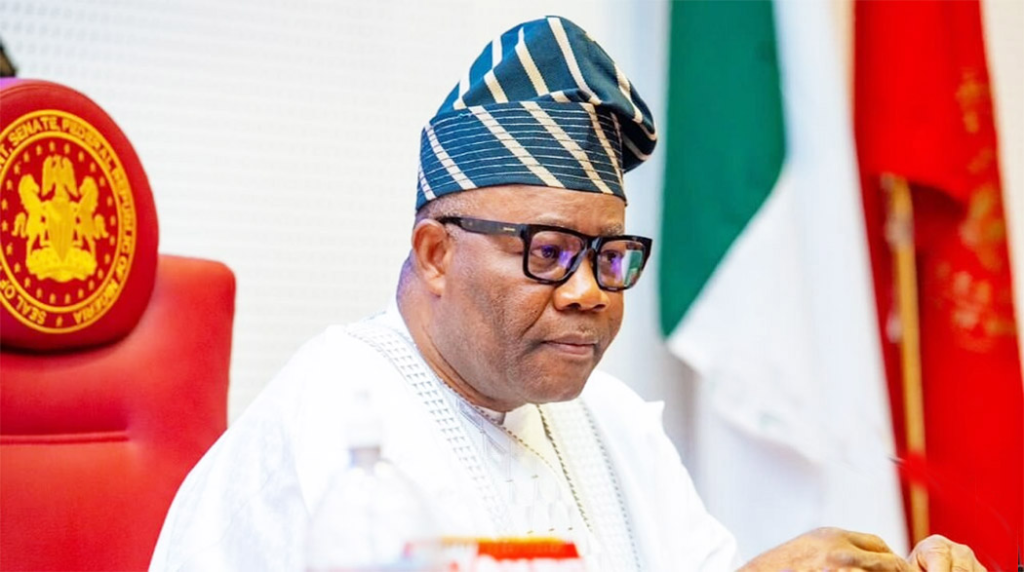
Foreign Minister Ishaq Dar said Pakistan has received strong backing from regional partners, as well as China, which has joined Islamabad in proposing a framework for peace.
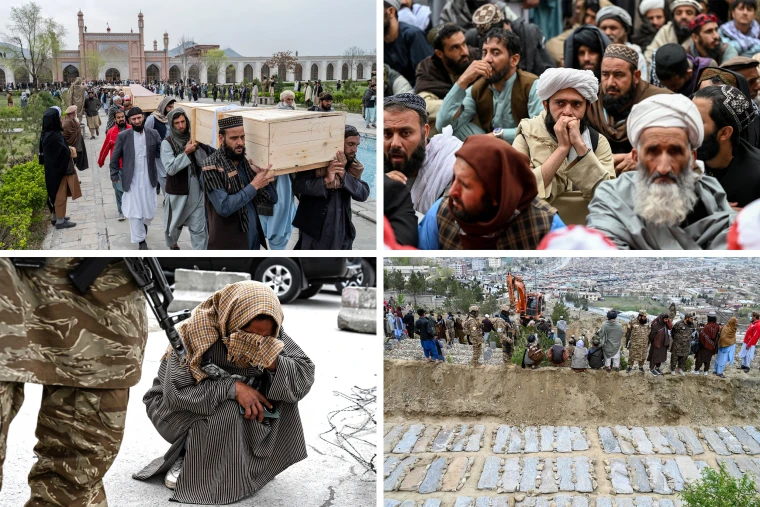
Despite its diplomatic role, Pakistan remains embroiled in heavy fighting with Afghanistan, with clashes now entering a second month. Both sides have reported civilian casualties, including women and children, though Pakistani officials deny targeting non-combatants.
Tensions have been further heightened by a reported Pakistani airstrike earlier in March on a facility in Kabul, which the United Nations said killed more than 140 people.
The dual crises underscore Pakistan’s precarious position—attempting to shape regional diplomacy while simultaneously managing one of its most serious cross-border conflicts in decades.