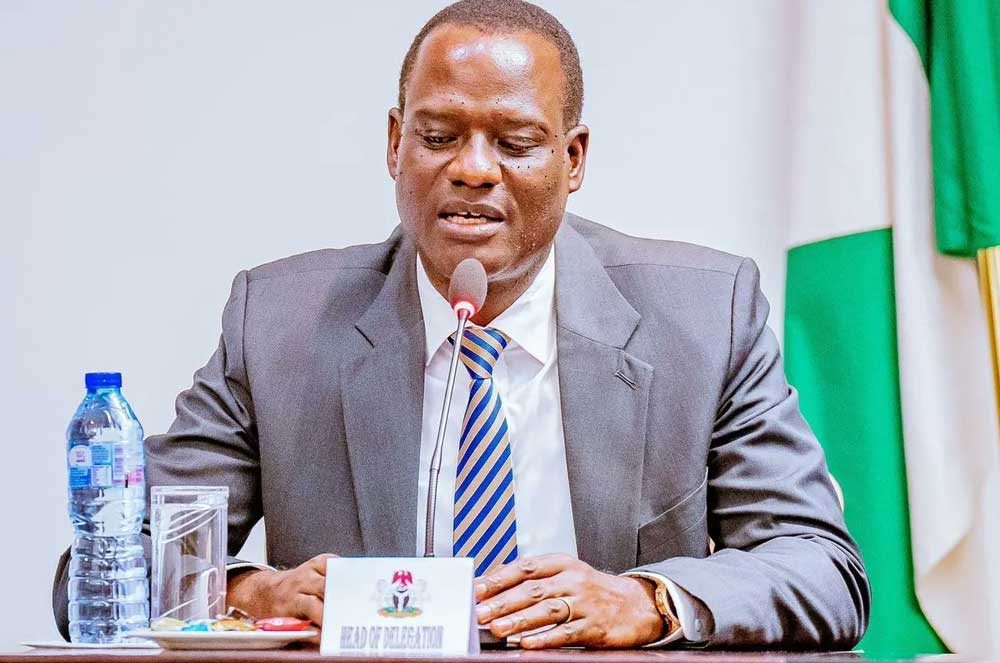
Chairman of the Presidential Fiscal Policy and Tax Reforms Committee, Taiwo Oyedele, has responded to a recent report by KPMG Nigeria on the country’s new tax laws, describing it as largely based on misunderstandings and mischaracterizations of deliberate policy choices.
KPMG, a professional audit and tax advisory firm, had in its report flagged “errors, inconsistencies, gaps and omissions” in the new tax regime, citing concerns over capital gains taxation, indirect transfers by non-residents, foreign exchange deductions, and VAT expense disallowances. The firm warned that these could potentially undermine the objectives of the reforms, deter foreign investment, and increase costs for businesses.
In his response, Oyedele acknowledged that some observations, particularly those relating to implementation risks and clerical issues, were valid. However, he insisted that a significant portion of KPMG’s claims reflected either analytical errors, misinterpretation, or preference for alternative policy outcomes, rather than actual flaws in the law.
Addressing concerns over capital gains taxation, Oyedele clarified that the applicable tax rate ranges from 0% to a maximum of 30%, set to reduce to 25%, with 99% of investors qualifying for unconditional exemptions. He dismissed warnings of a market sell-off, noting that recent investment inflows and market performance indicate confidence in the reforms.
On the inclusion of “community” in the definition of a “person,” Oyedele explained that statutory interpretation ensures definitions apply wherever the term appears, and thus no gap or ambiguity exists in the charging section.
Rejecting KPMG’s suggestion to exempt foreign insurance companies from local tax, he said doing so would undermine domestic firms and create unfair competition, noting that the policy protects local industry. He also defended the disallowance of deductions for businesses sourcing foreign exchange from the parallel market, describing it as a deliberate fiscal policy choice to strengthen the Naira and redirect FX demand to the official market.
Oyedele highlighted the structural improvements in the new laws that KPMG failed to emphasise, including simplified and harmonised taxes, reduction of corporate income tax from 30% to 25%, expanded input VAT credits, exemptions for low-income earners and small businesses, and incentives for priority sectors.
He stressed that the reforms were the product of extensive consultations, public hearings, and a transparent legislative process, calling on stakeholders to engage dynamically rather than rely on static critiques.
Oyedele concluded: “Policy disagreement should not be framed as legislative error. We urge all stakeholders to pivot from critique to collaboration for effective implementation of the new tax laws.”