Global oil prices dropped sharply on Tuesday following the announcement of a ceasefire between Israel and Iran, brokered by U.S. President Donald Trump after nearly two weeks of escalating conflict. Brent crude, the international benchmark, fell by as much as 6%, dipping to $67.29 per barrel from nearly $80 just days earlier.
Despite the ceasefire agreement, both Iran and Israel accused each other of violations within hours of its implementation, underscoring the fragility of the truce. However, markets reacted positively to the pause in hostilities. Concerns that Iran might disrupt oil supplies by blockading the Strait of Hormuz—one of the world’s most critical energy corridors—had driven prices higher in recent days.
The de-escalation prompted gains across major stock exchanges in the U.S., UK, and Europe. Investors were further reassured after Trump publicly warned Israel against retaliatory strikes following its allegations that Iran had breached the ceasefire.
For Nigeria, the global price drop presents a complex mix of opportunities and challenges. On the downside, the decline in crude oil prices threatens to reduce the country’s export earnings, putting additional pressure on government revenue in an already strained fiscal environment.
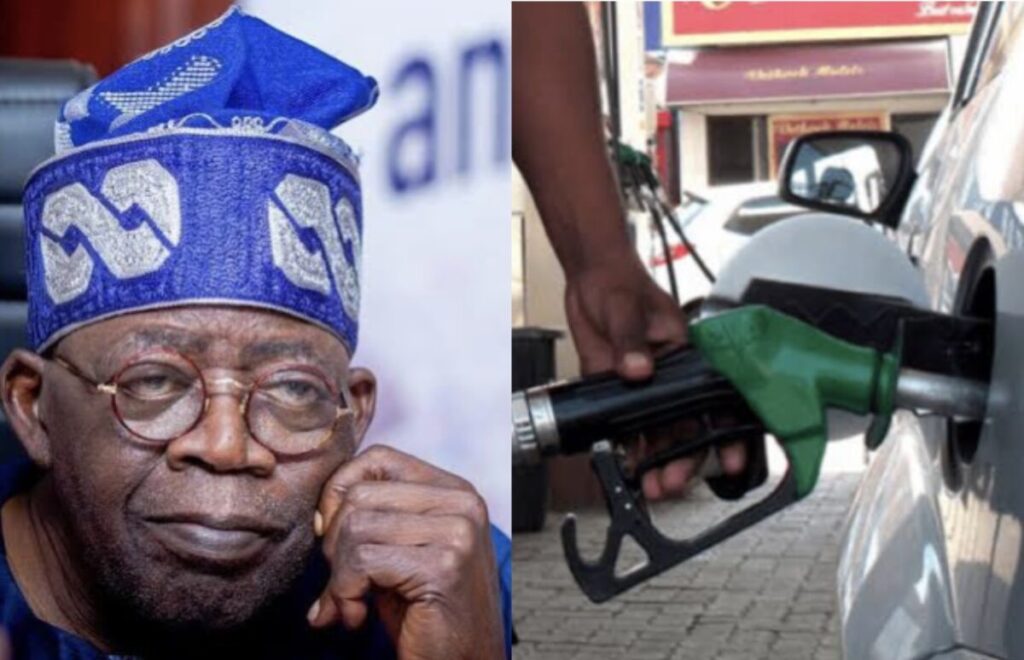
However, the price drop could offer immediate relief to consumers. Lower crude prices translate to reduced costs of imported refined products, such as petrol, which in turn could lead to lower pump prices. This would benefit everyday Nigerians by easing transportation expenses and reducing the cost of food and other essential goods, thereby slowing inflation.
Lower fuel costs could also boost small and medium-sized enterprises by improving margins and lowering overheads, especially in sectors like logistics, retail, and informal trade.
Before the ceasefire, fuel prices in Nigeria had surged, with the Dangote Refinery and Nigerian National Petroleum Company Limited (NNPC) increasing pump prices in response to rising international crude costs. Dangote, which supplements its refining operations with imported crude, passed on higher feedstock costs to consumers.
In Nigeria’s deregulated fuel market, other players—including private marketers and NNPC—were forced to follow suit to remain viable, setting off ripple effects across the economy.
While the ceasefire has temporarily eased market pressure, the underlying geopolitical volatility means that oil prices could remain unstable. For Nigeria, managing the economic fallout will require careful monitoring of both global developments and domestic pricing dynamics.