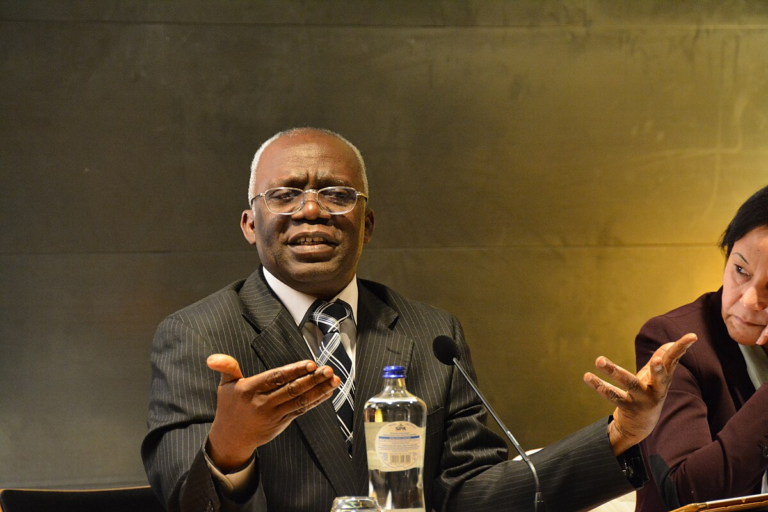
Prominent human rights lawyer and Senior Advocate of Nigeria (SAN), Femi Falana, has strongly criticised President Bola Tinubu’s economic policies, describing them as harsh, neoliberal measures that have decimated Nigeria’s middle class and deepened poverty across the nation.
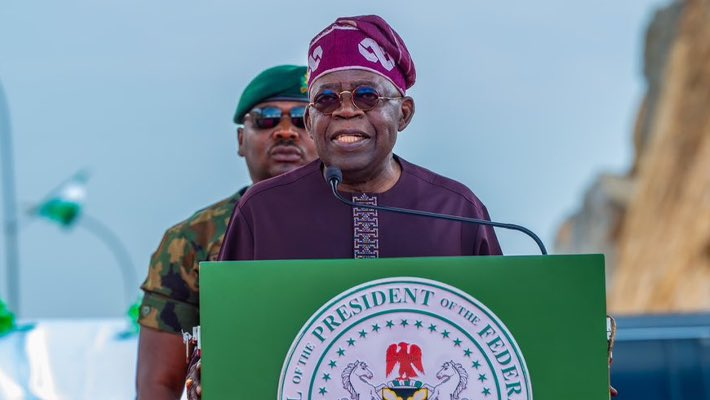
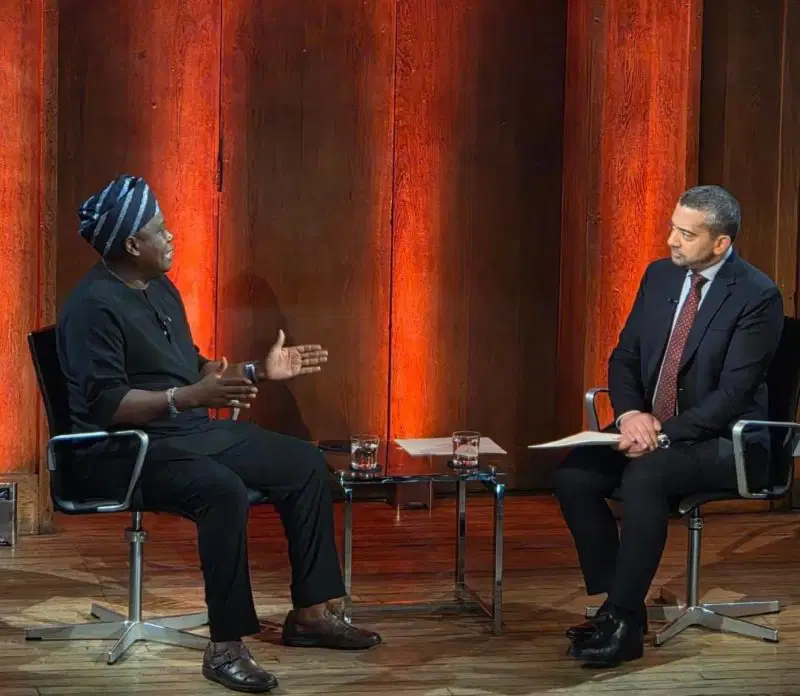
Speaking on Channels Television’s Politics Today on Monday, Falana said the administration’s reforms have caused widespread economic hardship, despite the President’s recent admission that citizens are struggling.
“The President asked APC governors to ‘wet the ground’ more, but the reality is that things are getting tougher for Nigerians daily,” Falana stated.
“Poverty is increasing because of the religious implementation of neoliberal policies by the government. That calls for a review.”
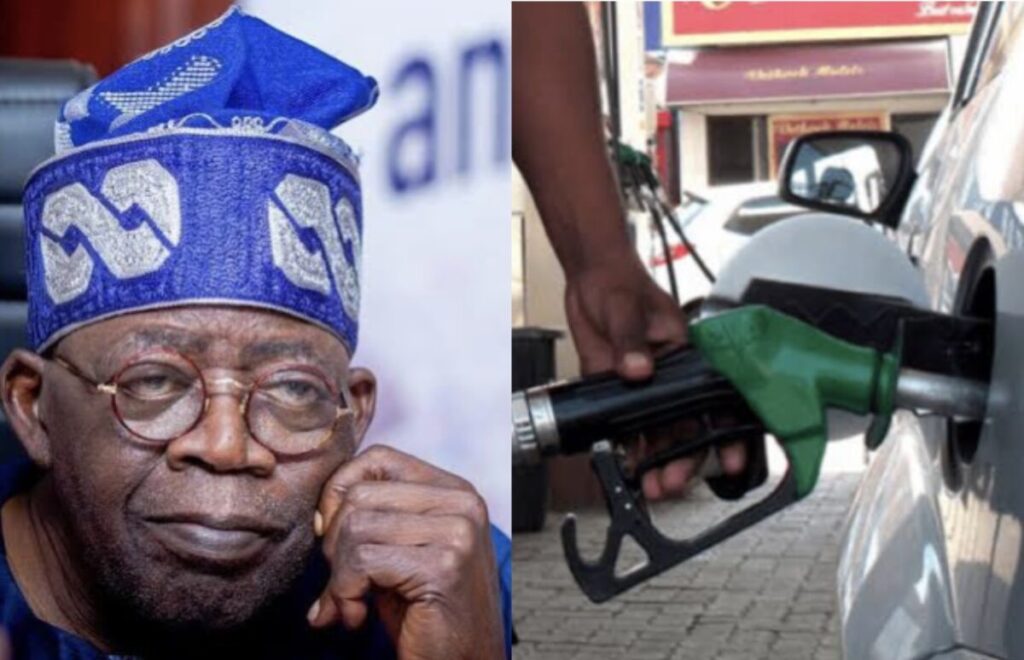
Since taking office in May 2023, President Tinubu has implemented a series of structural reforms, including removal of fuel subsidies and liberalisation of the naira, in a bid to stabilise Nigeria’s economy. However, these actions have triggered record inflation, causing food and fuel prices to skyrocket and pushing millions further into poverty.
Falana argued that the ongoing privatisation of national assets contradicts the government’s claims of fighting income inequality.
“You cannot claim to address income inequality while handing over national resources to a few individuals in the name of privatisation,” he said.
“Most Nigerians can no longer afford three square meals. The middle class has been decimated.”
He urged the administration to reconsider its economic approach, particularly those policies influenced by the International Monetary Fund (IMF) and World Bank, which he described as detached from the realities of Nigerians.
Falana also called for the urgent legal enforcement of social welfare programmes to cushion the effects of the reforms. He cited the Social Investment Programme Agency Act, signed into law in 2023, as a critical tool to combat rising poverty.
“To eradicate poverty, we must begin by implementing welfare laws,” he said.
“President Tinubu should persuade governors to codify social investment programmes and enact them into law.”
The National Social Investment Programme (NSIP) includes initiatives such as N-Power, GEEP microcredit schemes, school feeding, and conditional cash transfers to vulnerable households.
While the Federal Government has acknowledged the economic burden on citizens, Falana and other critics maintain that without policy redirection and enforceable social protections, millions of Nigerians will continue to suffer under worsening economic conditions.