The National Economic Council (NEC) has resolved to deepen engagement with key stakeholders to boost non-oil revenues, aligning with the economic blueprint of President Bola Tinubu’s administration.
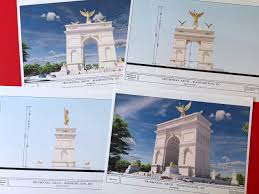
Chairman of NEC and Vice President, Kashim Shettima, made the call as the Council also approved the constitution of a committee to implement the President’s directive on delivering key legacy projects, including the Lagos-Calabar Coastal Highway and the Sokoto-Badagry Super Highway.
The committee will be chaired by the Governor of Cross River State, with one governor representing each geopolitical zone: Sokoto (North West), Gombe (North East), Niger (North Central), Abia (South East) and Lagos (South West). The Permanent Secretary of the Ministry of Budget and Economic Planning, Mrs Deborah Odoh, will serve as Secretary, while the Ministers of Works and Transportation are also members.
According to a statement by the Vice President’s spokesman, Stanley Nkwocha, the resolutions were taken on Thursday during NEC’s 156th meeting—the first of 2026—held virtually, following a presentation on economic priorities for the year by the Minister of Finance and Coordinating Minister of the Economy, Mr Wale Edun.
Edun highlighted key reforms implemented by the Tinubu administration, noting that targeted programmes have removed structural distortions, stabilised the economy and positioned Nigeria for sustained recovery. He added that growing global confidence in Nigeria’s reforms has strengthened investor sentiment, with the economy projected to grow by 4.68 per cent in 2026.
The minister identified priority areas including sound governance, improved food availability and affordability, human capital development, enhanced social protection, and timely payment of salaries, pensions and debt obligations.
In its resolutions, NEC commended the Federal Government’s plans to unlock job-rich growth, high-quality employment and entrepreneurship opportunities, while agreeing to dedicate a special session to address food security challenges, particularly agricultural productivity.
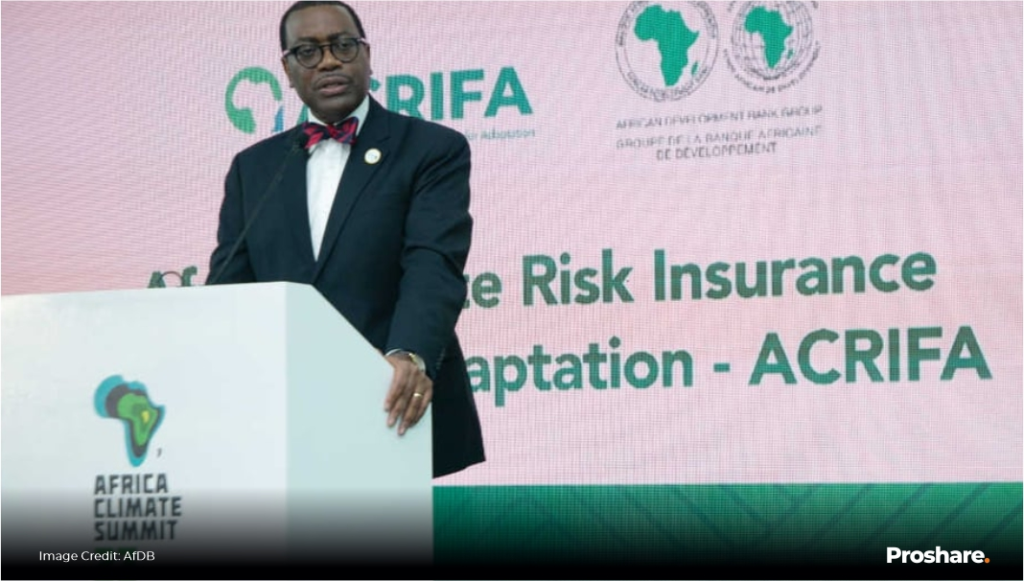
In his opening remarks, Vice President Shettima warned that global economic volatility—driven by fluctuating oil prices, exchange rates and capital flows—has reinforced the urgency of fiscal risk management and the need to reduce Nigeria’s dependence on oil.
He noted that the non-oil sector now accounts for about 96 per cent of Nigeria’s GDP and contributes nearly three-quarters of total government revenue.
“Services, agriculture and other non-oil sectors are increasingly carrying the weight of the economy. The task before us is to deepen this transition through competitive manufacturing, export diversification and private sector investment,” Shettima said.
Reflecting on economic performance, the Vice President disclosed that Nigeria’s economy grew by 3.9 per cent in 2025—the fastest rate in over a decade—crediting the progress to reforms introduced under President Tinubu’s leadership. However, he cautioned that the growth rate remains insufficient to significantly reduce poverty or ease inflationary pressures, stressing the need for higher ambition.
NEC also received updates on key national accounts, with balances standing at $535,823.39 in the Excess Crude Account, ₦64.65 billion in the Stabilisation Account and ₦97.37 billion in the Natural Resources Account.
The Council was further briefed on progress in implementing presidential directives on legacy infrastructure projects, the relocation of the Office of the Surveyor-General of the Federation to the Presidency, tax reforms, and Nigeria’s engagement with the World Bank Group under its proposed Country Partnership Framework.
NEC committed to working closely with the World Bank to implement the Renewed Hope Agenda, particularly in human capital development, agriculture, and early childhood investment, while directing that a more detailed briefing on tax reforms be presented at its conference scheduled for February.