The U.S. Department of Agriculture (USDA) announced Friday that food assistance for more than 40 million Americans will be suspended beginning in November, as the ongoing federal government shutdown continues to block new funding.
In a statement posted online, the department said bluntly: “Bottom line, the well has run dry,” placing blame on Senate Democrats for what it described as “a political stalemate that has crippled vital services.”
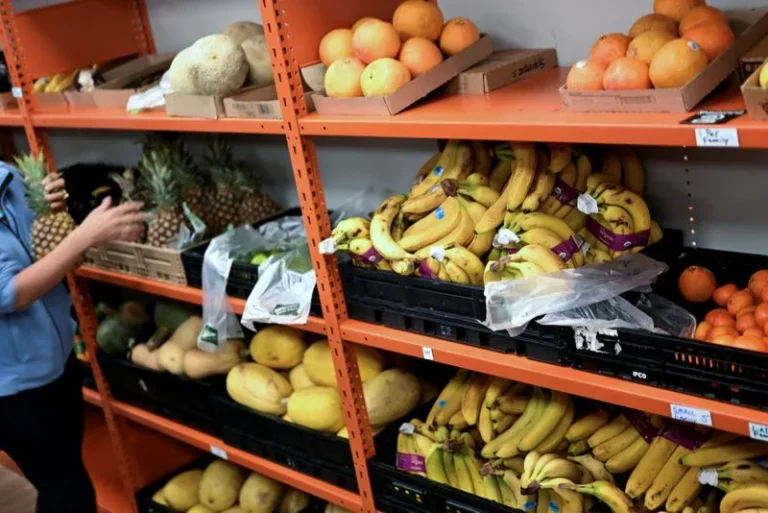
The suspension affects the Supplemental Nutrition Assistance Program (SNAP) — commonly known as food stamps — which supports roughly one in eight Americans and serves as a crucial safety net for low-income families.
Earlier this month, the Trump administration declined to tap a contingency fund that could have extended SNAP benefits for one additional month, arguing those reserves should be preserved for natural disasters and other emergencies.
Democrats denounced the decision as callous and unnecessary.
“This may be the most cruel and unlawful offense the Trump administration has perpetrated yet,” said Representatives Rosa DeLauro (D-Conn.) and Angie Craig (D-Minn.) in a joint statement.
They accused President Donald Trump of misplacing priorities by diverting resources toward foreign aid for Argentina and funding for a new White House ballroom amid the shutdown.
According to the Center on Budget and Policy Priorities (CBPP), SNAP’s contingency fund could have covered about 60% of one month’s benefits.
However, House Democrats argued in a letter to Agriculture Secretary Brooke Rollins that sufficient reserves remain to fund most November payments. They urged the department to release those funds immediately and reallocate other internal budgets to protect families from losing access to food.
Rollins rejected that request, insisting that the reserve is strictly limited to “true emergencies, such as hurricanes or wildfires.”
Although USDA documents previously indicated that states could rely on multi-year contingency funding, Rollins said those resources are now “fully depleted.”
With federal support frozen, several states are preparing to step in — though many admit they lack the resources to fill the gap.
In Massachusetts, where nearly 1 million residents depend on SNAP, officials warned the state’s emergency funds are “insufficient” to sustain benefits beyond a few weeks.
In California, the National Guard has been mobilized to support food distribution centers, while other states are coordinating with charities and food banks to provide temporary relief.
The average family of four on SNAP receives about $715 per month, or roughly $6 per person per day, via reloadable electronic cards used to purchase groceries.
The federal shutdown entered its 26th day on Sunday, now the second-longest in U.S. history, with no resolution emerging from Congress.
The standoff has deepened partisan divisions in Washington — leaving millions of Americans uncertain about how they will afford food next month, and intensifying pressure on lawmakers to find a compromise to reopen the government.