The Manufacturers Association of Nigeria (MAN) has urged the Central Bank of Nigeria (CBN) to lower interest rates and work more collaboratively with fiscal authorities to tackle inflation and revive the country’s struggling manufacturing sector.
Reacting to the Monetary Policy Committee (MPC) meeting held on July 21–22, 2025, MAN faulted the decision to retain the Monetary Policy Rate (MPR) at 27.5%, describing it as insufficient to stimulate economic growth or ease inflation.
Despite noting a marginal drop in headline inflation from 22.97% in May to 22.22% in June the MPC kept other key rates unchanged, including the Cash Reserve Ratio (CRR) for Deposit Money Banks at 50%, for Merchant Banks at 16%, and the liquidity ratio at 30%.
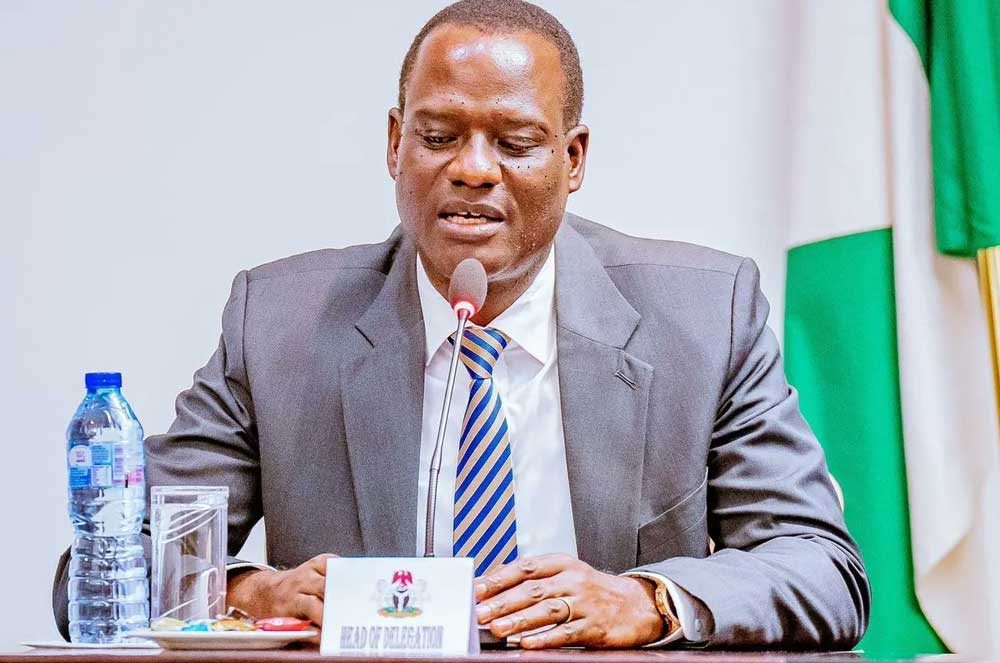
However, MAN’s Director General, Segun Ajayi-Kadri, criticised the CBN’s stance, calling it counterproductive to industrial growth.
“MAN’s expectation is to have a rate cut supported by a robust fiscal policy framework capable of facilitating improved access to long-term loans, enhanced productivity, and sustained economic growth,” Ajayi-Kadri stated.
He warned that sustained high interest rates are choking the real sector and discouraging investment, especially in manufacturing.
To reverse the trend, MAN issued several policy recommendations, including:
· Reducing the cost of borrowing to stimulate real-sector investment
· Implementing the Nigeria First Policy to promote local content and backward integration
· Addressing insecurity in farming communities to enhance food production and ease supply chain bottlenecks
· Promoting income redistribution and citizen welfare through targeted fiscal reforms
Ajayi-Kadri emphasised that collaboration between the CBN and fiscal authorities is crucial to steering the economy away from stagnation and revitalising Nigeria’s industrial base.
“Without decisive action from both the monetary and fiscal fronts, we risk prolonging economic stagnation and further weakening our industrial foundation,” he warned.
The association’s remarks reflect growing concern across the private sector over the impact of Nigeria’s tight monetary stance on productivity, jobs, and long-term growth.