The Kremlin has firmly rejected proposals to station Western troops in Ukraine as part of any future post-war security framework, insisting that neither European nor American military forces can provide reliable guarantees for Kyiv.
Speaking to Russian state media, Kremlin spokesperson Dmitry Peskov dismissed the idea outright:
“Can Ukraine’s security guarantees be ensured and provided by foreign, especially European and American, military contingents? Definitely not, they cannot.”
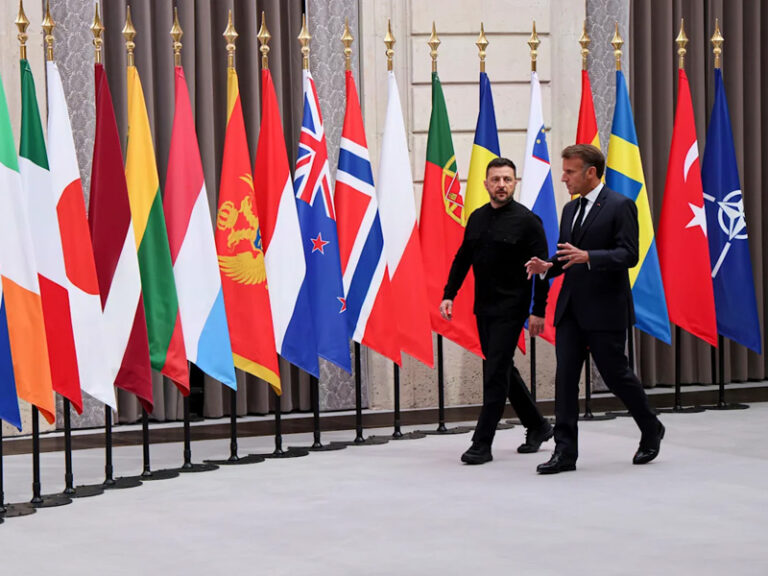
His comments came just days after French President Emmanuel Macron announced that 26 Western nations had committed to supporting Ukraine militarily “by land, sea, or air” once a ceasefire is achieved. The pledge emerged from a summit of 35 countries being referred to as the “Coalition of the Willing.”
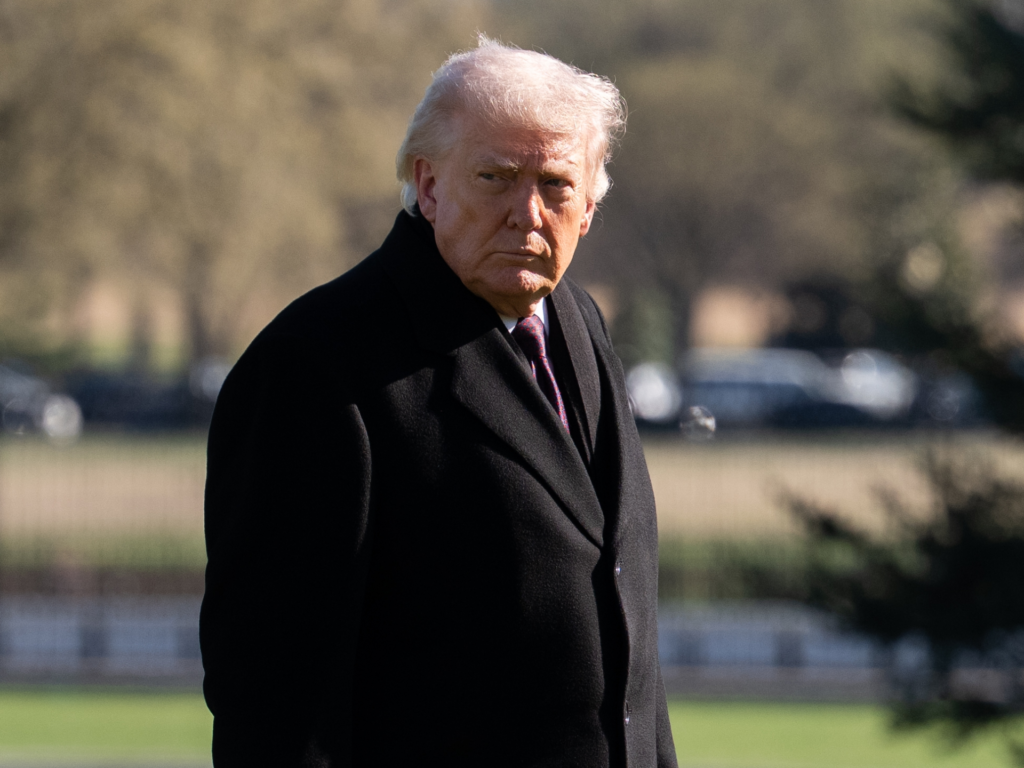
Macron stated that U.S. support would be finalized in the coming weeks, with President Donald Trump suggesting Washington’s role would “probably” focus on air power. Ukrainian President Volodymyr Zelensky later confirmed he had discussed securing “maximum protection for Ukraine’s skies” during conversations with Trump.
Despite the show of allied unity, few countries have publicly committed to deploying ground troops, and the U.S. has already ruled out such a move. Several European diplomats have warned that premature troop pledges could fuel President Vladimir Putin’s anti-Western narrative, potentially hardening Moscow’s stance.
UK Prime Minister Sir Keir Starmer called the coalition’s commitment an “unbreakable pledge,” while NATO Secretary-General Mark Rutte emphasized that Russia has no veto over Ukrainian sovereignty.
“It’s a sovereign country. It’s not for [Russia] to decide,” Rutte said.
The Kremlin’s position appears to be hardening. Despite ceasefire discussions, Russia continues to deploy troops into Ukraine, following a meeting between Putin and Trump in Alaska last month that yielded no concrete progress.
Putin has rejected calls for a temporary truce, declaring that any end to the war must come through a comprehensive peace agreement. On Thursday, two Ukrainian mine-clearers were killed in a Russian strike in the country’s north, underscoring the conflict’s ongoing human toll.
Meanwhile, Zelensky rebuffed Putin’s offer to hold peace talks in Moscow, calling it “unacceptable” and evidence that Russia was not genuinely interested in ending the conflict through negotiation.
As diplomatic efforts stall, Western leaders are exploring historical ceasefire models that could offer a framework for ending hostilities without a full peace deal. The Korean armistice, which halted fighting in 1953 without resolving the conflict, has been raised as a possible blueprint.
Still, with Russia signaling no willingness to compromise and Ukraine demanding stronger Western commitments, the path toward a lasting settlement remains elusive—and foreign troop deployments remain one of the most contentious flashpoints in the fragile talks ahead.