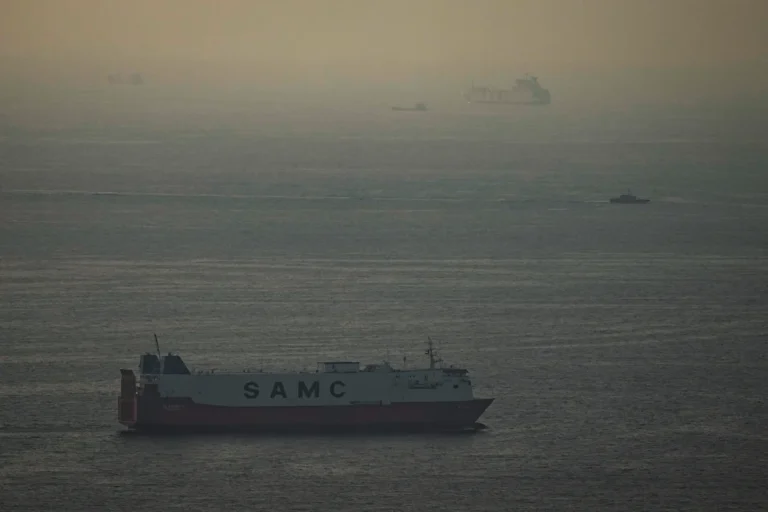
Iran appears to be consolidating control over the Strait of Hormuz, effectively positioning itself as the gatekeeper of one of the world’s most critical energy corridors.
Evidence from communications with international maritime authorities and reports from passing vessels suggests Iran has implemented a system resembling a “toll checkpoint,” requiring ships to enter Iranian-controlled waters and undergo inspection by the Islamic Revolutionary Guard Corps before continuing transit. Some vessels are reported to have paid for safe passage.
The impact on global shipping has been severe. Traffic through the strait has dropped by roughly 90% since the start of the conflict, triggering sharp increases in oil prices and raising concerns about supply shortages, particularly in Asian economies heavily reliant on Gulf energy exports.
According to shipping data from Lloyd’s List Intelligence, only about 150 vessels have passed through the strait since early March—equivalent to just over a single day’s normal traffic prior to the war.
Despite the disruption, Iran has maintained its own export levels. Activity at Kharg Island, the country’s primary oil terminal, shows little decline, with approximately 1.6 million barrels loaded in March. Much of that supply is reportedly destined for smaller private refineries in China, which are less constrained by U.S. sanctions.
Analysts say the arrangement could formalize Iran’s leverage over global energy markets, allowing it to restrict competitors’ shipments while continuing to export its own oil under favorable conditions.