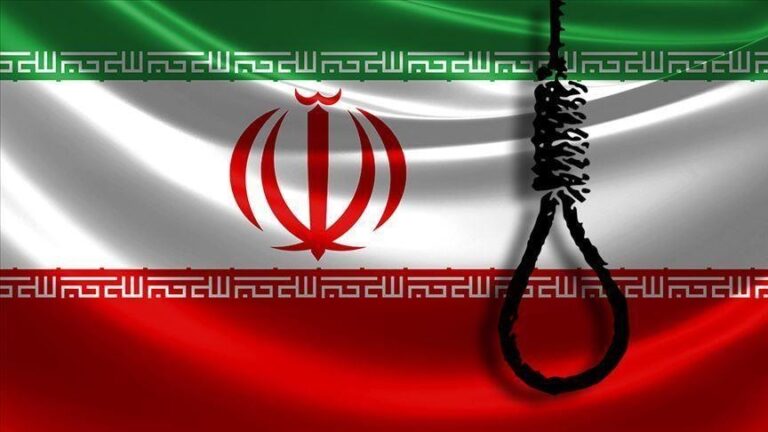
Iran has launched a sweeping internal security crackdown, executing six people and arresting over 700 others accused of collaborating with Israeli intelligence in the aftermath of the country’s 12-day conflict with Israel.
Officials claim the campaign is a response to a serious breach of Iran’s national security, alleging that internal collaborators enabled Israel’s assassination of senior Revolutionary Guard commanders and nuclear scientists during the war. The government has blamed Mossad — Israel’s national intelligence agency — for orchestrating the operations with help from local agents.
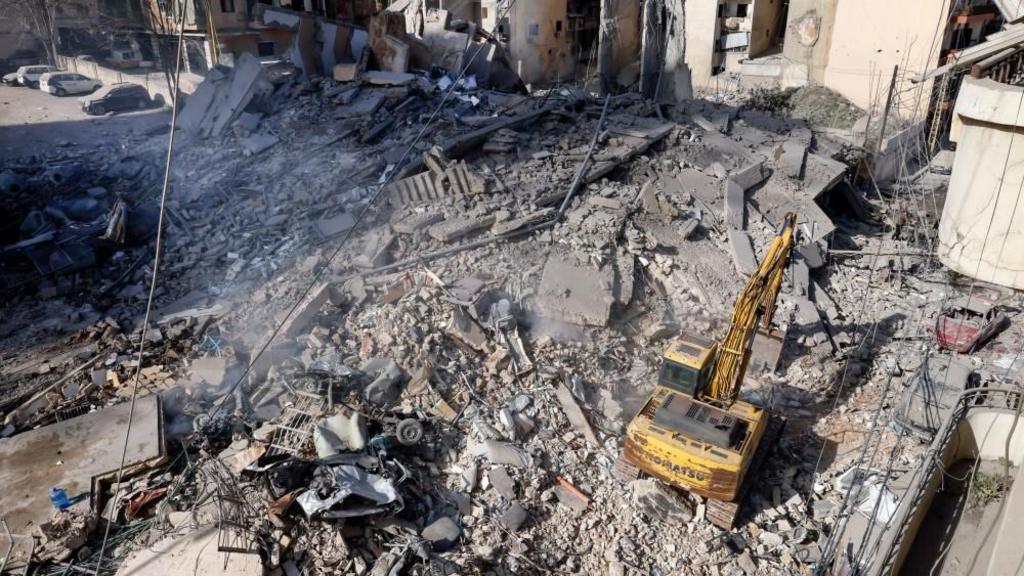
“The Israeli spy network has become highly active inside the country,” reported Fars News Agency, quoting unnamed sources within the Islamic Revolutionary Guard Corps (IRGC). It said arrests began shortly after Israeli airstrikes on June 13 and have since escalated into one of the most extensive counterintelligence operations in years.
Three men accused of spying were executed during the conflict, with three more hanged just a day after a ceasefire was declared. Iranian state television broadcast what it described as confessions from detainees who claimed to have worked for Mossad, the CIA, and Britain’s MI6 — statements human rights groups warn may have been coerced.
Iran’s Ministry of Intelligence framed the crackdown as a “relentless battle” against hostile espionage. “We are confronting an organized attempt by Western and Zionist intelligence agencies to destabilize our country,” the ministry said.
However, international rights groups have condemned the wave of executions and mass detentions. “This pattern is consistent with Iran’s long-standing record of forced confessions and unfair trials,” one watchdog stated. “There is a serious risk that more executions may follow under these opaque proceedings.”
Activists argue the campaign has expanded far beyond legitimate concerns about national security, accusing Iranian authorities of using the post-war atmosphere to stifle dissent and tighten control. Among those detained are relatives of protesters killed during the 2022 “Woman, Life, Freedom” demonstrations, as well as prominent artists, writers, and civil society figures — many of whom have not been formally charged.
“This isn’t just about espionage,” a political analyst told BBC Persian. “It’s about consolidating power and silencing anyone perceived as a threat to the regime.”