Minister of Interior, Olubunmi Tunji-Ojo, has emphasised the urgent need to integrate modern technology into Nigeria’s fire prevention, detection, and emergency response systems, particularly within the oil and gas sector.
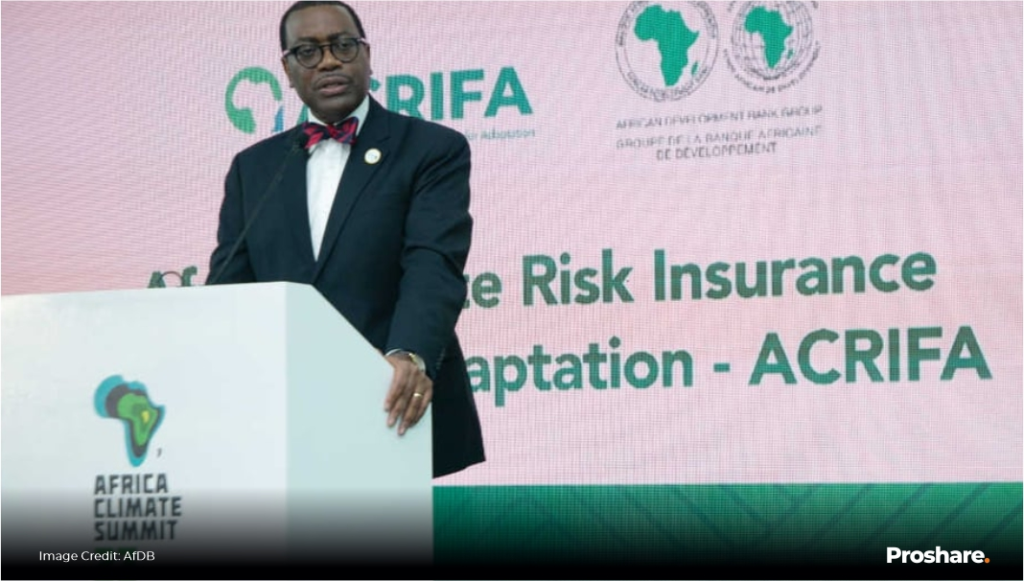
Speaking on Tuesday in Abuja at the opening ceremony of a one-day stakeholders’ forum themed “Advancing Fire Safety within the Oil and Gas Sector of Nigeria through Technological Solutions,” the minister said the country must embrace innovation to tackle persistent fire hazards.
“The theme of today’s forum is not just relevant; it is imperative. As we navigate an era of rapid technological advancement, Nigeria must leverage modern solutions to address longstanding challenges in fire prevention, detection, and response,” Tunji-Ojo said.
He identified key areas for improvement, including:
· Smart fire detection systems
· Automated suppression technologies
· Drone and robotics-assisted emergency response
· Data-driven risk assessment tools
While acknowledging the government’s role, Tunji-Ojo stressed that collaboration with industry stakeholders, technology providers, and regulators was essential to drive lasting reforms.
“The government alone cannot drive this change. We need the active participation of all players in the sector,” he added, assuring that the Ministry of Interior would continue supporting safety-enhancing initiatives in critical sectors.
Also speaking at the event, Dr. Mustapha Lamorde, Executive Director of Health, Safety, Environment, and Community at the Nigeria Midstream and Downstream Petroleum Regulatory Authority, expressed concern over the alarming frequency of tanker-related fires and explosions in the country.
“Between 2009 and October 2024, Nigeria recorded almost 169 petroleum tanker fire and explosion accidents, leading to multiple deaths and thousands of injuries,” Lamorde said.
He cited the Suleja tanker explosion of January 2025, which claimed over 100 lives when a petrol tanker overturned and ignited while locals attempted to scavenge fuel.
“Our monitoring shows that truck-in-transit incidents account for nearly 60% of petroleum-related fire fatalities in the downstream sector,” he added.
The forum brought together key players from the oil and gas industry, safety experts, and emergency responders to chart a path toward leveraging cutting-edge technologies in ensuring fire safety and protecting lives and infrastructure across Nigeria’s petroleum value chain.