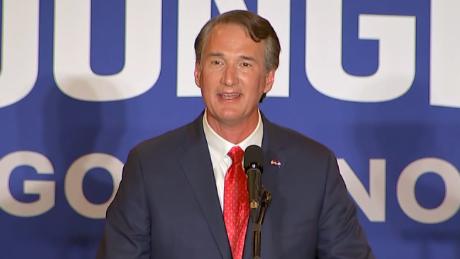
Mr. Youngkin’s surprise victory in Virginia, however, represents the starkest warning yet that Democrats are in danger. It was likely to prompt additional congressional retirements, intensify the intraparty tug of war over Mr. Biden’s agenda and fuel fears that a midterm electoral wave and Mr. Trump’s return as a candidate are all but inevitable.
“The MAGA movement is bigger and stronger than ever before,” Mr. Trump said in a statement Tuesday night.
In the first competitive statewide election of Mr. Biden’s presidency, Mr. McAuliffe worked assiduously to link Mr. Youngkin to the previous president. Inviting a parade of prominent national Democrats to campaign with him, the former governor sought to nationalize the race and effectively transform a gubernatorial contest into a referendum on Mr. Trump in a state he lost by 10 points last year.
But voters appeared far more eager to register their frustration with the Democrats in control of Washington and Richmond, the state capital, and fissures appeared in the coalition of moderate whites, people of color and young liberals that elected Mr. Biden in 2020. In cities, suburbs and exurbs that Mr. Biden had handily carried, Mr. McAuliffe’s margins shrank dramatically.
Mr. McAuliffe never fully articulated his own vision for a second term and received no favors from Mr. Biden or his party’s lawmakers. They spent much of the fall locked in contentious negotiations over Mr. Biden’s infrastructure and social welfare proposals, failing to reach a consensus that could have at least offered Mr. McAuliffe some good news to trumpet.
Democrats in Virginia have tended to win statewide elections on a message of can-do pragmatism. The stalemate in Washington cast the party in a different light.
Taking the stage in McLean before the race was called, Mr. McAuliffe thanked his family and supporters but did not concede. “This is a different state,” he said of Virginia following his governorship and that of his successor, Gov. Ralph S. Northam. “We are going to continue that fight.”
Significantly, Mr. Trump appeared unusually content to be kept at arm’s length by Mr. Youngkin, remaining mostly silent as the Republican candidate declined to invite him to the state. Mr. McAuliffe even acknowledged to reporters on Monday that “from a political perspective” it would have been better for him had the former president not been banished from Twitter so Mr. Trump could have had a platform from which to insert himself into the campaign.
For Republicans, particularly those uneasy with Mr. Trump and battered by the party’s string of losses on his watch, Mr. Youngkin’s triumph delivered a moment of exultation. Their win in Virginia demonstrated that they can reclaim some suburban voters without fully embracing or rejecting Mr. Trump.
Clad in a fleece vest and sporting a smile on the campaign trail, Mr. Youngkin happily claimed support from so-called Never Trumpers and Forever Trumpers, while otherwise voicing a center-right agenda in a state where Republicans have not won statewide since 2009.
In part because Mr. McAuliffe was so dedicated to his strategy of inserting Mr. Trump into the race, Mr. Youngkin evaded scrutiny about his own views on policy, which on issues like abortion and same-sex marriage were to the right of most Virginia voters.
The race illustrated that voters are chiefly focused on day-to-day quality of life issues related to the economy and the pandemic, and they blame Democrats for failing to fully address these matters.
The Virginia results also suggest that Mr. Trump’s exit has at least loosened the Democrats’ hold on the college-educated voters who powered their gains over the last five years.
It’s highly unlikely, however, that the former president will let other Republicans sidestep him in next year’s midterm elections the way Mr. Youngkin did. The party’s victory in Virginia may only lull Republicans into believing that Mr. Trump no longer poses a dilemma and can be indefinitely averted, the sort of thinking many party leaders have clung to for more than six years.
For now, though, it’s Democrats who will suffer the most as their moderate-versus-liberal intraparty tensions flare in Washington and beyond and officials blame one another for the defeat.
Susan Swecker, the chairwoman of the Democratic Party of Virginia, was blunt in her criticism of national Democrats for their losses on Tuesday. “I would encourage those people across the river that could pass legislation to give relief to working families that maybe they better wake up and think about what next year is going to look like now,” Ms. Swecker said.
However, even before polls closed Tuesday, one senior adviser to Mr. Biden was fuming over talking points issued by the Democratic Governors Association, which pointed to the president’s dimming popularity. It was not Mr. Biden, this adviser said, but Mr. McAuliffe who handed Republicans a political weapon as they sought to tap into parents’ anger over local school boards.
The moment came in a September debate, when Mr. McAuliffe said, “I don’t think parents should be telling schools what they should teach.”
For Democrats, part of the reason the loss was so painful was because it was so familiar.
The last time a Republican won the Virginia governorship, in 2009, the party’s nominee rode a backlash against President Barack Obama to a 17-point victory, carrying densely populated suburbs like Fairfax County in Northern Virginia. That victory presaged a Republican wave the following year that turned over control of the House to the G.O.P. and stymied Mr. Obama for the balance of his time in office.
It was a scenario that Democrats fear could come to pass again in 2022 unless Mr. Biden regains voter confidence.