The Federal Government has announced the reintroduction of History as a compulsory subject from primary to senior secondary schools, 16 years after it was removed from the curriculum in 2009 under the Umaru Musa Yar’Adua administration.
The Federal Ministry of Education disclosed this in a statement posted on its X handle on Wednesday, explaining that the reform aims to strengthen national identity, unity, and patriotism among Nigerians.
“For the first time in decades, Nigerian pupils will study History continuously from Primary 1 to JSS3, while SSS1–3 students will take the new Civic and Heritage Studies, integrating History with Civic Education,” the statement read.
Under the revised curriculum:
- Primary 1–6 pupils will learn about Nigeria’s origins, heroes, rulers, culture, politics, economy, religions, colonial rule, and post-independence governance.
- JSS1–3 students will study civilisations, empires, trade, European contact, amalgamation, independence, democracy, and civic values.
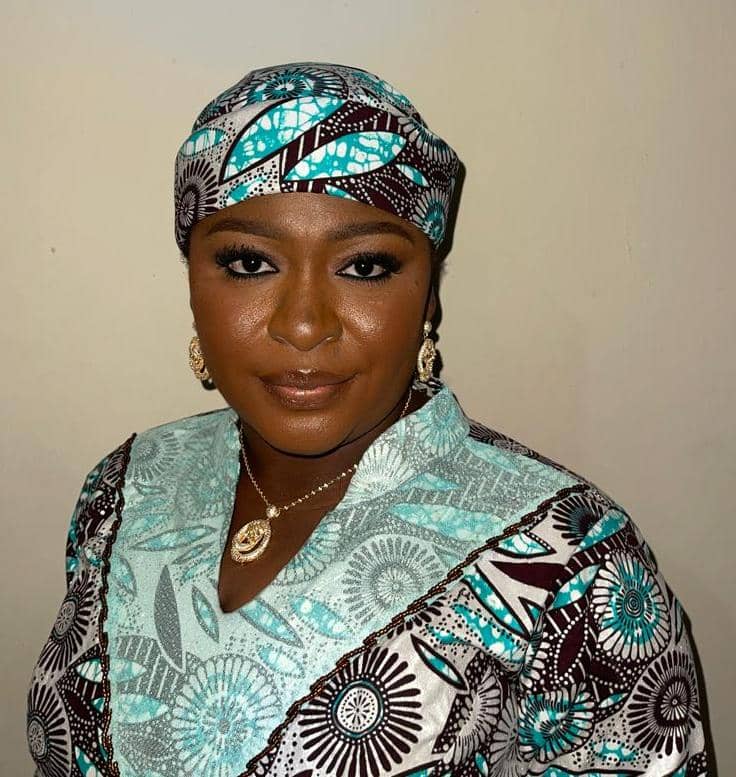
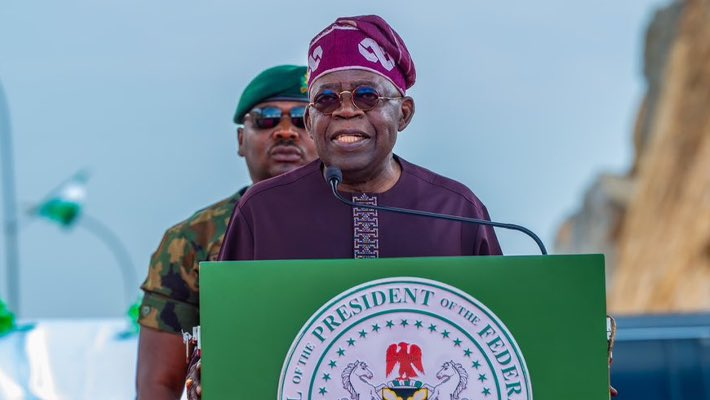
Minister of Education, Dr. Maruf Alausa, and Minister of State for Education, Professor Suwaiba Sai’d Ahmad, expressed gratitude to President Bola Ahmed Tinubu for championing the reform, stressing that history is “not merely a record of the past, but a vital foundation for shaping responsible and patriotic citizens.”
According to the Ministry, the reform reconnects children with their roots while inspiring pride, unity, and commitment to national development. It added that resources would be provided, teachers retrained, and monitoring strengthened to ensure smooth implementation.
History was removed from Nigeria’s basic education curriculum in 2009, justified then by claims of limited career prospects for history graduates and a shortage of teachers. In 2022, the Ministry under former Minister Adamu Adamu began moves to reintroduce the subject and trained teachers at the basic education level in Abuja. Until now, the subject remained optional in the few schools that offered it.