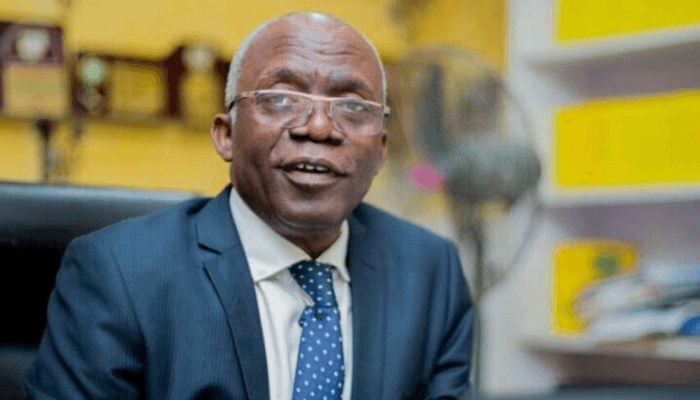
Human rights lawyer and Senior Advocate of Nigeria (SAN), Femi Falana, has called for a transparent and merit-based process in appointing the leadership of the Independent National Electoral Commission (INEC), saying such reforms are essential to safeguard the commission’s independence from political control.
Speaking on Channels Television’s Politics Today on Wednesday, Falana said that advertising vacancies for positions such as INEC Chairman, National Commissioners, and Resident Electoral Commissioners as recommended by the Justice Mohammed Lawal Uwais Panel in 2008 would promote accountability and public confidence in the electoral system.
“What other countries in Africa have done Lesotho, Botswana, and others is to establish a mechanism whereby vacant positions in the electoral bodies are advertised,” Falana explained. “That was the recommendation of the Uwais Panel in 2008 that in choosing members of the commission and resident electoral commissioners, we should advertise the positions.”
He added that such openness would allow credible Nigerians to apply while giving the public an opportunity to object to nominees lacking integrity.
“Right now, an advert like this has just been published in Lesotho, so that men and women of character and integrity will apply. Members of the public can object to any who are not qualified morally or otherwise. The names are then shortlisted, and the best three are sent to the National Assembly,” he said.
Falana further noted that the Uwais Panel recommended that the National Judicial Council (NJC) should screen and recommend three qualified candidates for each position, from which the President would nominate one for Senate confirmation a process he said would help make the electoral body “free from control.”
His comments come amid renewed concerns over INEC’s capacity to conduct free, fair, and credible elections without political interference.
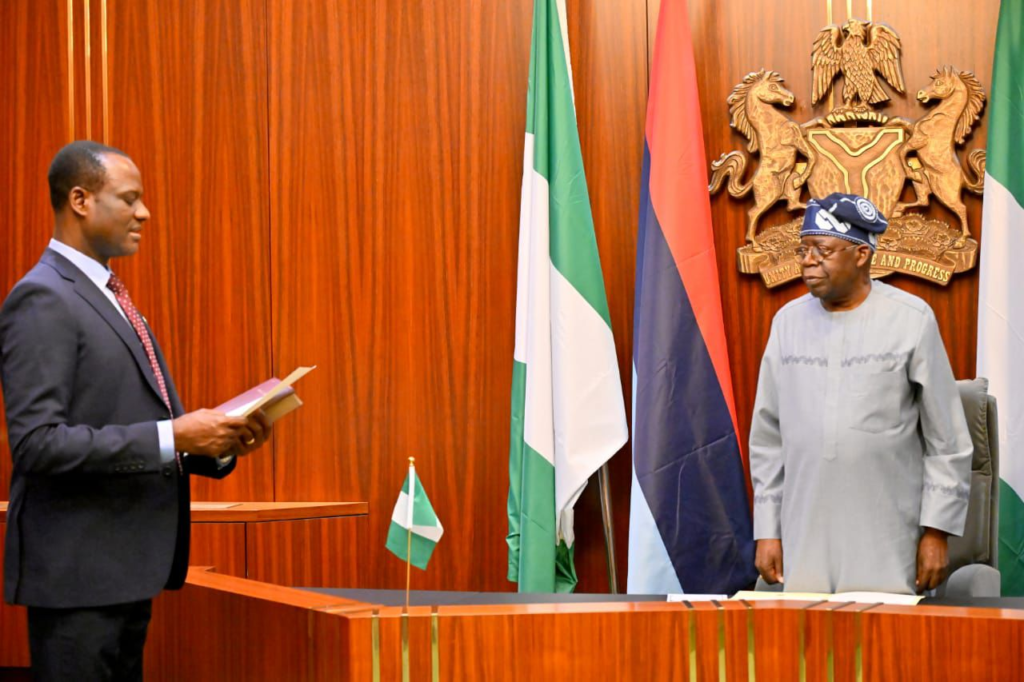
Last Thursday, the Senate confirmed Prof. Joash Amupitan, a law scholar, as the new INEC Chairman after his screening at the upper chamber. Amupitan, nominated by President Bola Tinubu and endorsed by the National Council of State, succeeds Mahmood Yakubu, who recently completed his tenure.
Falana also urged the government to implement other key recommendations of the Uwais Panel, including the establishment of a framework for the prosecution of electoral offenders and the introduction of diaspora voting.
“Today, remittances from Nigerians abroad are sometimes higher than what we make from oil and gas. If they are remitting millions of dollars that boost the economy, they also have the right to participate in electing the country’s leaders,” he argued.
Meanwhile, the Senate on Wednesday passed the Electoral Act Amendment Bill 2025 through second reading. The bill, sponsored by Senator Simon Lalong (APC, Plateau South), seeks to strengthen Nigeria’s electoral framework by placing the burden of proof on INEC in election petition cases.
Lalong said while the Electoral Act 2022 introduced vital reforms, several gaps remain including delays in election funding, disputes over voter registers, conflicting interpretations of result transmission, and weak enforcement of electoral offences.
He noted that the new amendment aims to enhance INEC’s autonomy and shield it from executive interference, ensuring greater transparency in Nigeria’s electoral process.