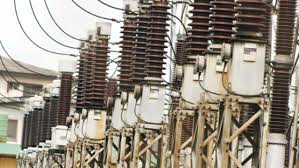
ActionAid Nigeria has approached the Nigerian Electricity Regulatory Commission (NERC) to stop the arranged electricity tariff increase.
It likewise asked the NERC to maintain its upsides of straightforwardness, decency, and responsibility by guaranteeing persisting meetings with the majority while ensuring customers’ rights.
The country director of the non-governmental organization, Mrs. Ene Obi, made the call in a statement made available to newsmen on Tuesday.
She decried the alleged resolution of NERC directing the 11 Electricity Distribution Companies (DisCos) in the country to increase their tariffs from Sept. 1.
Obi said the increment would further erode the purchasing power of Nigerian workers in formal and informal sectors and impoverish more Nigerians.
“The increase in electricity tariff is not only ill-timed but insensitive to the plight of Nigerians whose lean disposable incomes are already decapitated.
“ActionAid’s stance is hinged on the premise that previous hikes in electricity tariffs had not translated to effective and regulatory strategies to manage the impact of such hikes on macro-economic indices affecting end-users that are currently economically crippled and trapped,” she said.
The country director said instead of the tariff hike, NERC should compel all participants in the Nigerian electricity supply industry to ensure efficiency in the power sector.
This, according to her, should include managing energy losses to make erratic power supply a thing of the past as a way of boosting productivity and Nigeria’s GDP.
“We urge NERC to rescind this decision and ensure that the Nigerian electricity supply industry improves its performance before considering a tariff increase.
If this indicated choice isn’t rethought, the expense of creation of fundamental things in the nation will increase and this may likewise prompt job losses.
“Investors who depend to a great extent on the power supply can not equal the initial investment”.
“To stay inline, they would move the weight of the expanded expense of creation to the final consumer of their product and services in an economy already choked by inflation,” she said.
Ada Peter