The Economic and Financial Crimes Commission (EFCC) has warned that the rising wave of internet fraud is directly responsible for tougher visa restrictions being imposed on innocent Nigerians abroad.
EFCC Chairman, Ola Olukoyede, said fraudulent practices are destroying the future of perpetrators while tarnishing Nigeria’s global reputation. He noted that the trend is forcing foreign governments to introduce stricter travel conditions against law-abiding citizens.
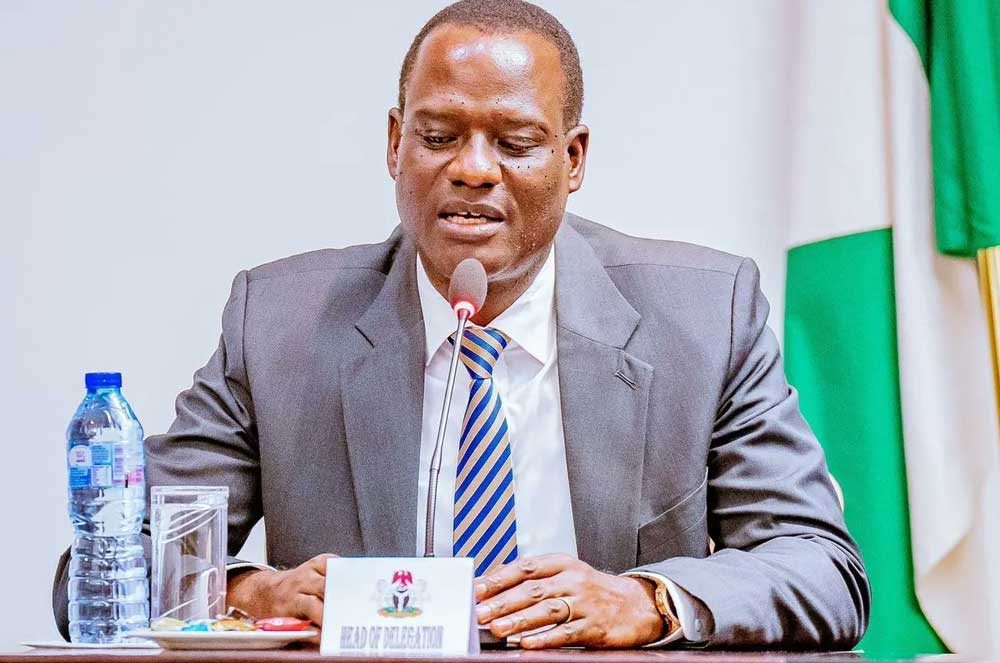
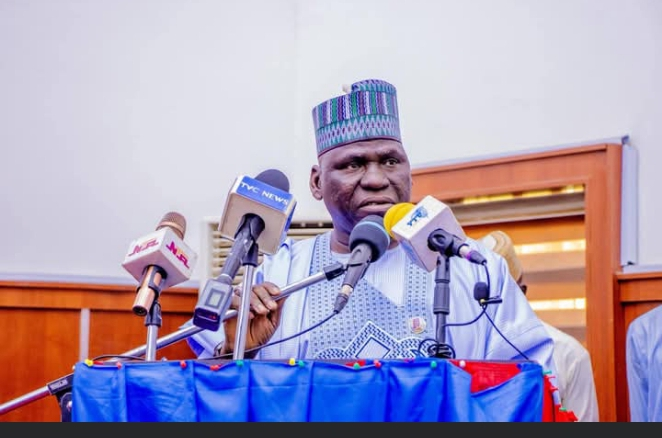
Olukoyede, represented by Chief Superintendent of the EFCC, CSE Coker Oyegunle, spoke in Port Harcourt at an event organised by the Coalition of Nigerian Youth on Security and Safety Affairs.
According to a statement from the commission, cybercrime, money laundering, and other forms of economic sabotage drain billions of naira from Nigeria annually, stifling growth and depriving citizens of jobs, infrastructure, and opportunities.
“Beyond the economic damage, the crimes erode Nigeria’s image and subject innocent Nigerians to harsher visa restrictions abroad,” the EFCC statement read.
The chairman urged young Nigerians to channel their creativity into innovation, entrepreneurship, agriculture, and the creative industry instead of cybercrime.
“Fraud is not success; it is a trap. Easy come, easy go. Many who follow the path of ‘yahoo-yahoo’ end up losing their freedom, reputation, and future. The law is catching up with them and digital footprints never disappear. Don’t destroy your tomorrow with shortcuts today,” Olukoyede warned.
He reaffirmed the commission’s commitment to intensify sensitisation, enforcement, and community collaboration in the fight against cybercrime.
Other agencies at the event also raised concerns. Mathew Ewah of the National Drug Law Enforcement Agency (NDLEA) described drug abuse as one of the gravest threats to Nigerian youths, while the Nigeria Security and Civil Defence Corps (NSCDC) cautioned against pipeline vandalism in the South-South.
The EFCC has recently intensified its clampdown on cybercrime. In August, its Lagos Zonal Directorate 1 arrested 38 suspected internet fraudsters at Mambillah Hotel, Ikorodu, Lagos, recovering vehicles, phones, and substances suspected to be narcotics.
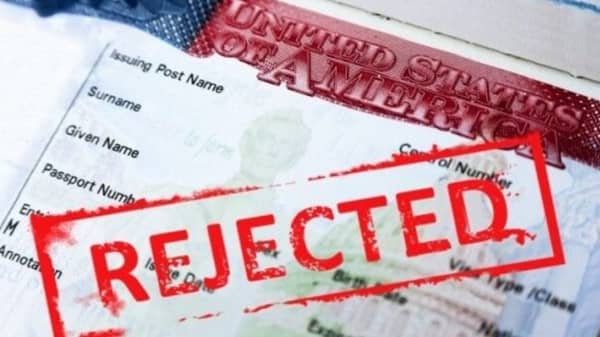
The warning comes amid tougher U.S. visa rules. In July, Washington revised its visa reciprocity schedule for Nigeria, slashing the validity of certain non-immigrant visas to three months and restricting them to single entry. The affected categories include B1/B2 visas for business and tourism, as well as F and J visas for students and exchange visitors.