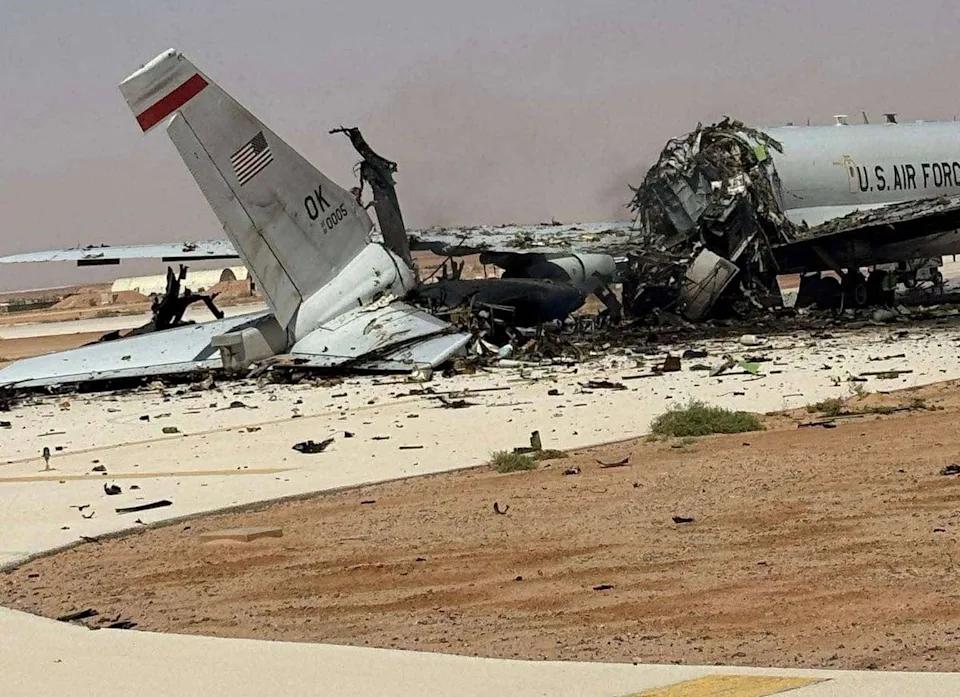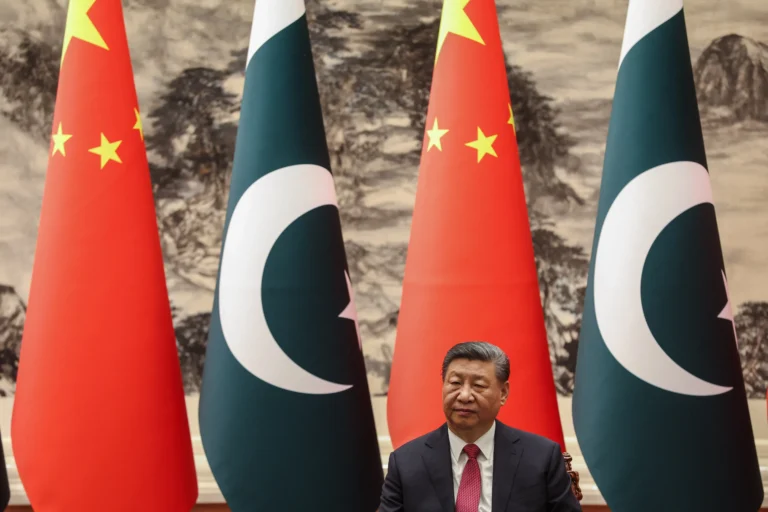
China and Pakistan on Tuesday introduced a joint initiative aimed at ending the war involving Iran, calling for an immediate ceasefire and the reopening of the Strait of Hormuz.
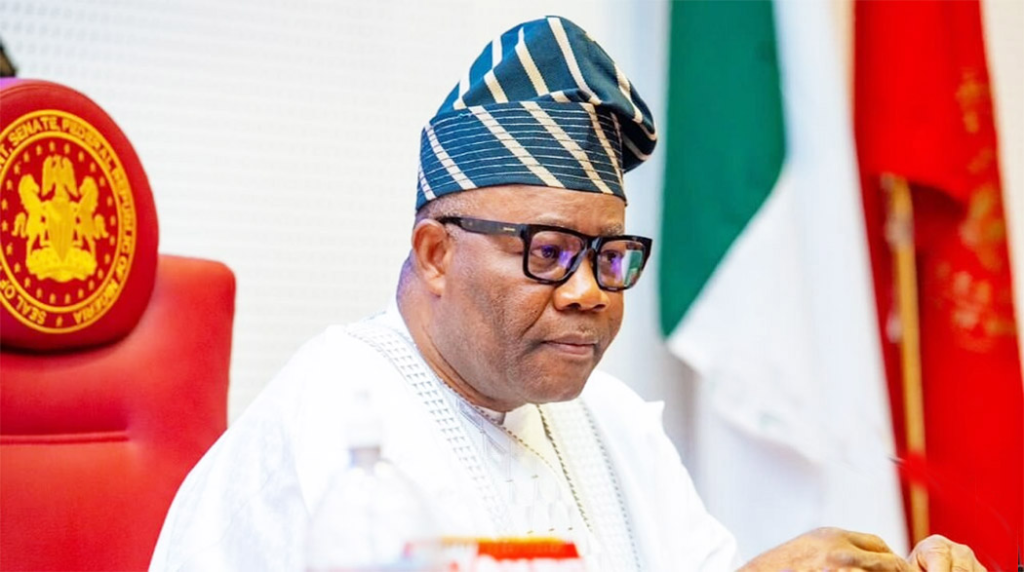
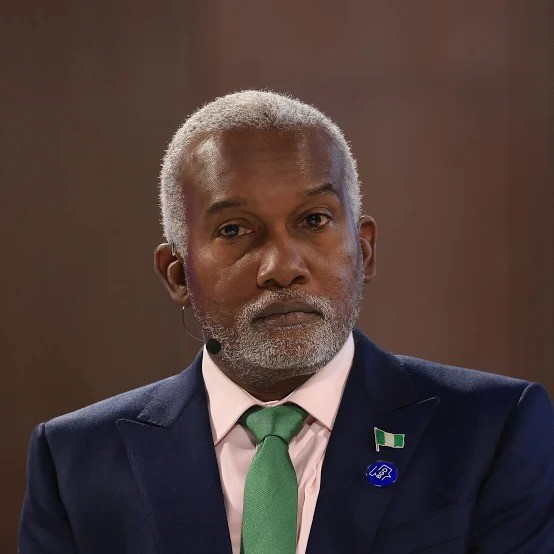
The proposal was developed during a meeting in Beijing between Pakistan’s Foreign Minister Ishaq Dar and China’s top diplomat Wang Yi. Following their talks, both sides released a joint framework outlining steps to de-escalate the conflict.
The plan calls for an immediate halt to hostilities, the delivery of humanitarian aid, and the swift launch of peace negotiations grounded in respect for the sovereignty and security of Iran and neighboring Gulf states. It also urges all parties to refrain from the use or threat of force during negotiations.
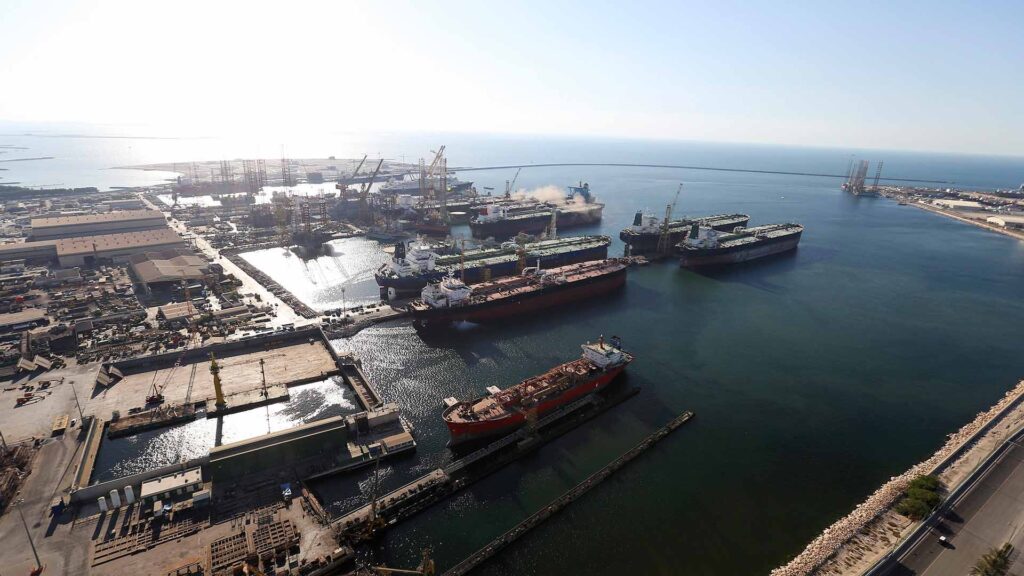
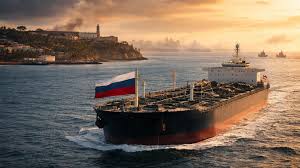
Additional provisions include an immediate stop to attacks on critical infrastructure—such as energy facilities, desalination plants, power systems, and civilian nuclear sites—as well as measures to ensure the safe passage of commercial and civilian vessels through the Strait of Hormuz.
The initiative further envisions a broader, long-term peace agreement based on the principles of the United Nations Charter and international law.
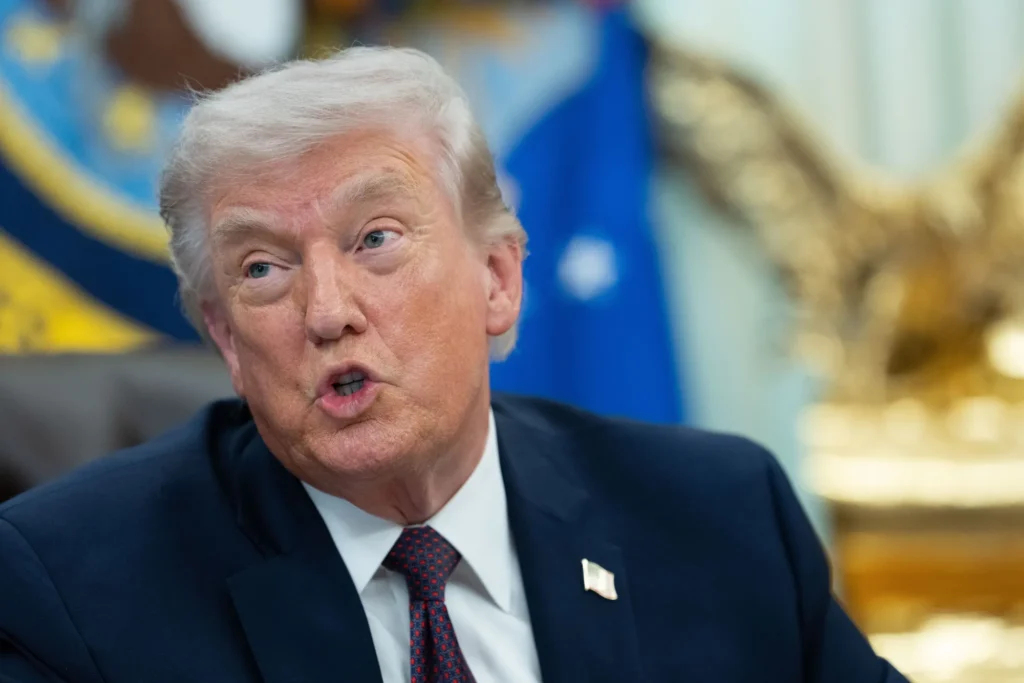
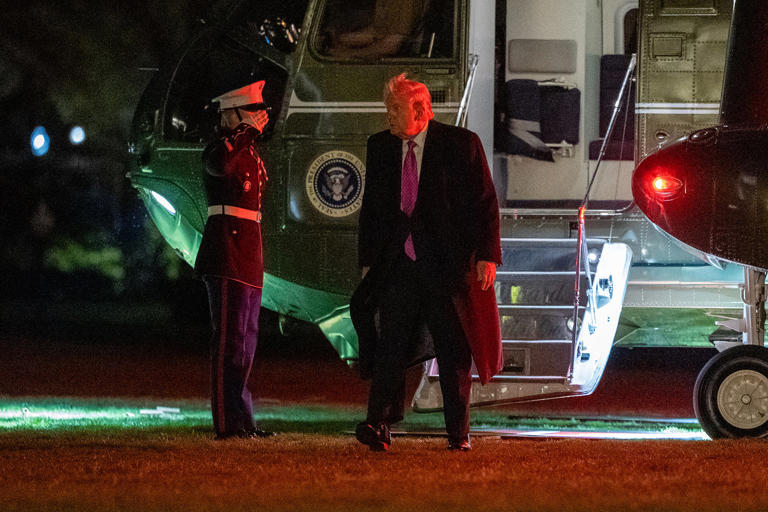
While President Donald Trump declined to comment on the specifics of the proposal, he indicated that diplomatic engagement with Iran was progressing positively.
Pakistan has played a central mediating role between Washington and Tehran, and analysts note that China—given its position as Iran’s largest trading partner and a major importer of its oil—has both influence and incentive to push for a resolution.
It remains unclear whether the United States has formally endorsed the initiative, but officials suggest the proposal is unlikely to have been advanced without at least tacit support from Washington.