The Central Bank of Nigeria (CBN) is considering the recapitalisation and restructuring of Development Finance Institutions (DFIs) to address the massive funding gap facing micro, small, and medium-sized enterprises (MSMEs).
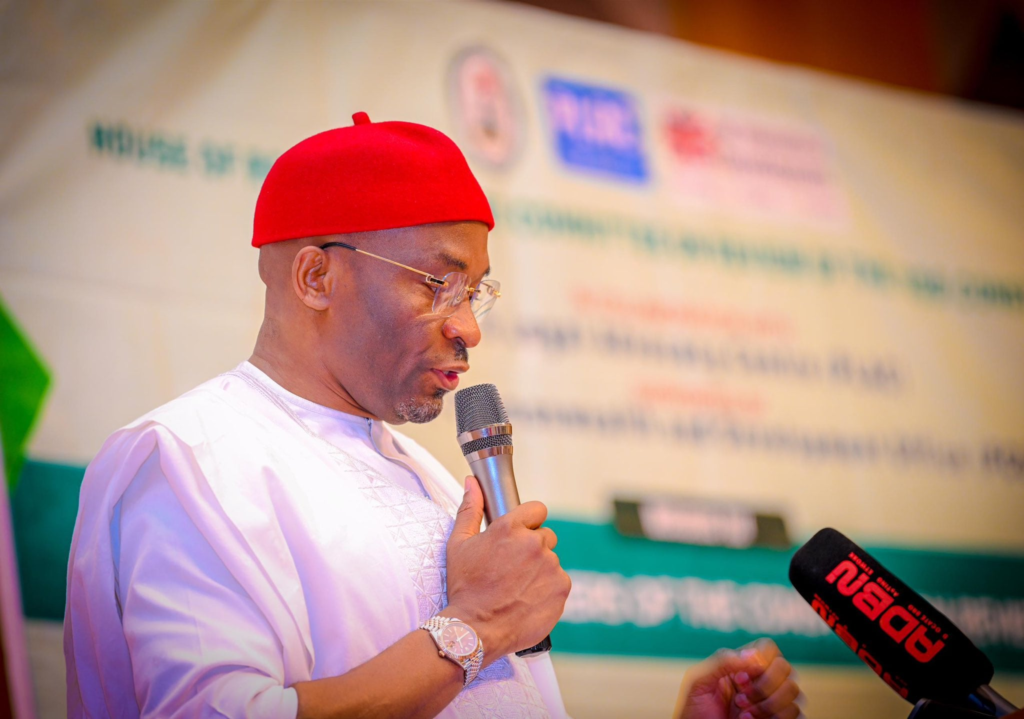
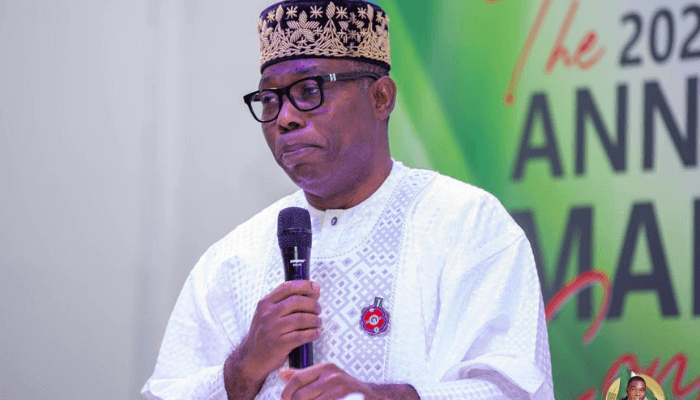
The Deputy Governor in charge of Economic Policy, Muhammad Abdullahi, disclosed this during a panel session at the launch of the Nigeria Development Update by the World Bank in Abuja.
He revealed that a recent review by the apex bank showed that existing DFIs lack the financial capacity to meet the country’s development financing needs.
“Across all the DFIs in Nigeria, the total asset base is slightly above ₦8 trillion, whereas what is required in development finance for MSMEs is over ₦130 trillion,” he said.
The proposed recapitalisation is aimed at strengthening DFIs to provide more accessible and affordable credit to businesses, particularly MSMEs, which are critical to job creation and economic growth.
Meanwhile, the Federal Government is also pushing alternative funding strategies to reduce dependence on borrowing and deepen domestic investment.
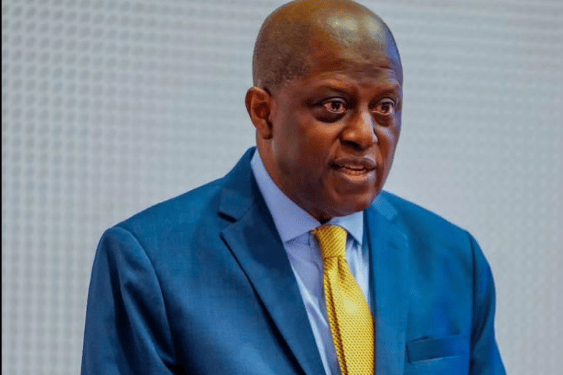
The Minister of Finance, Wale Edun, announced plans to introduce a mass savings scheme that will allow Nigerians across different income levels to invest and earn returns.
“There are mass savings schemes which allow people at all levels of society to save and earn unearned income, including from companies such as refineries and other large firms listed on the stock exchange,” he said.
Edun noted that the initiative would encourage equity participation and help mobilise domestic capital, aligning with broader reforms to strengthen public finances through improved revenue tracking and expenditure control.
The move signals a coordinated effort by policymakers to unlock financing for businesses while promoting sustainable economic growth.