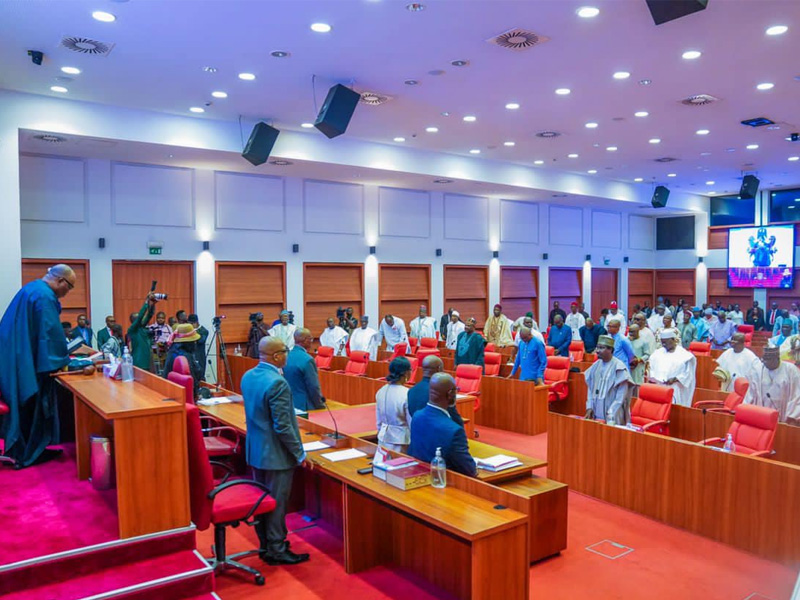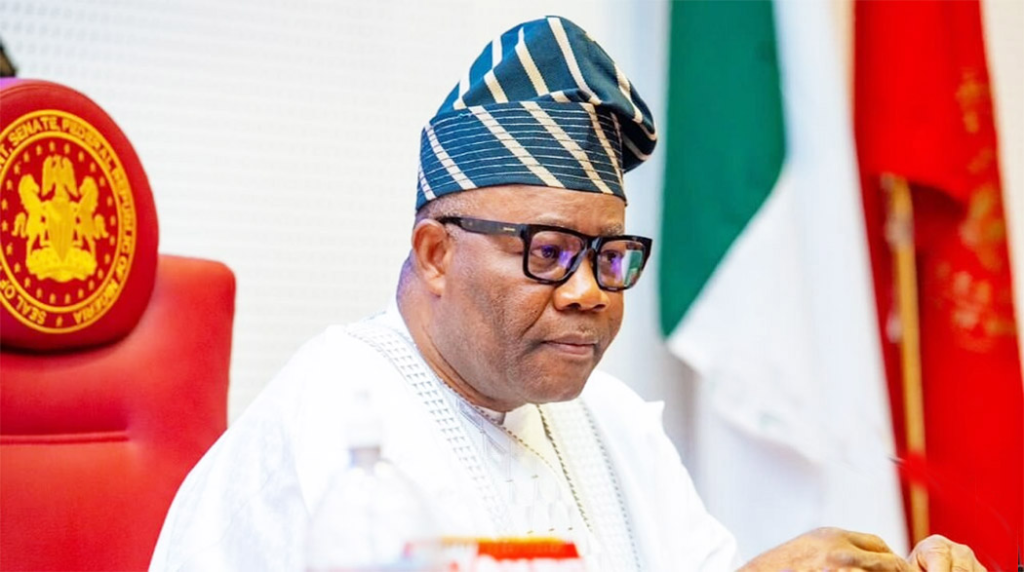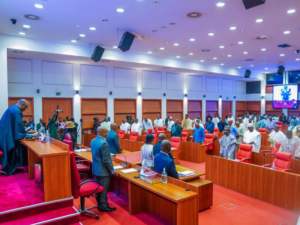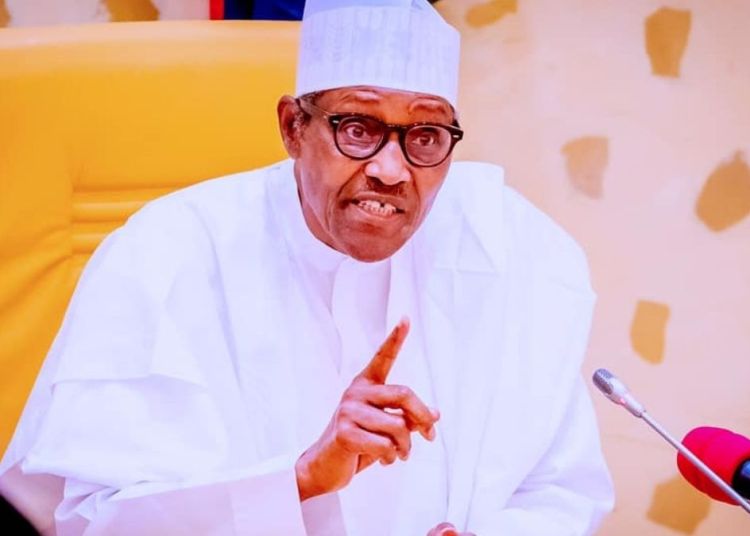
According to Vanguard, President Buhari stated his reasons for refusing to sign the law in a letter to Senate President Ahmad Lawan, which would be read at Tuesday plenary.
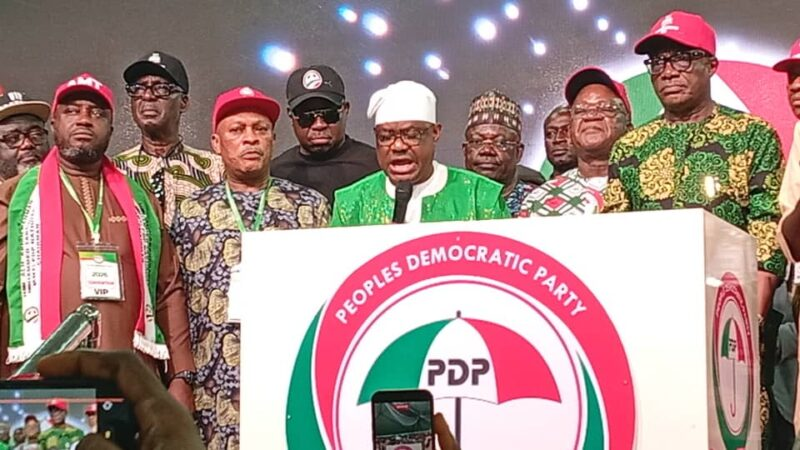
One of the reasons offered by the President, according to the publication, is that assenting to the measure will generate difficulty among the country’s political parties.
Another reason cited by the President, according to the source, is that the modified Electoral Act’s direct primary form of selecting candidates by political parties was detrimental to the political milieu.
According to the source, the President supports parties holding their primaries either directly or indirectly, and that such measures are backed by their respective constitutions.
He stated that the President also rejected the bill since direct primaries would mean forcing the parties to go against their constitutions.
According to the source, Buhari has returned the bill to the National Assembly and asked the lawmakers to work on the clause that has to do with direct primaries and return the document for assent.
Recall that the Presidency had said that President Buhari will take a final decision on assenting to the Electoral Act 2010 (Amendment) Bill soon.
The presidential spokesman, Garba Shehu, made this known on Sunday in an interview on a program on Channels Television.
Shehu stated that even though the president has not made his decision known on the electoral bill, the Nigerian leader is conscious of his responsibilities.
He argued that President Buhari will consider the interest of Nigerians before signing the bill and has been duly advised on the advantages and disadvantages of his assent to the bill.
As a result, the presidential spokesperson stated that after signing the bill into law, President Buhari will send a privileged communication to the National Assembly.
Shehu refused to confirm if the President will send the communication before Tuesday when the lawmakers would sit for the last time this year or after their recess in January.