The Group of Seven nations has agreed to release 100 million barrels of crude oil, diesel and other petroleum products from emergency reserves in a coordinated effort to ease soaring global energy prices.
The release will begin immediately and take place over four months under the coordination of the International Energy Agency, with a substantial amount of diesel expected to enter the market within the first 20 days.
The agreement follows pressure from U.S. President Donald Trump for major economies to take action to increase fuel supplies and bring down prices. The G7 also pledged not to impose restrictions on energy exports between member countries.
Global oil and diesel markets have come under intense pressure amid disruptions linked to the conflict with Iran and the continuing war between Russia and Ukraine.
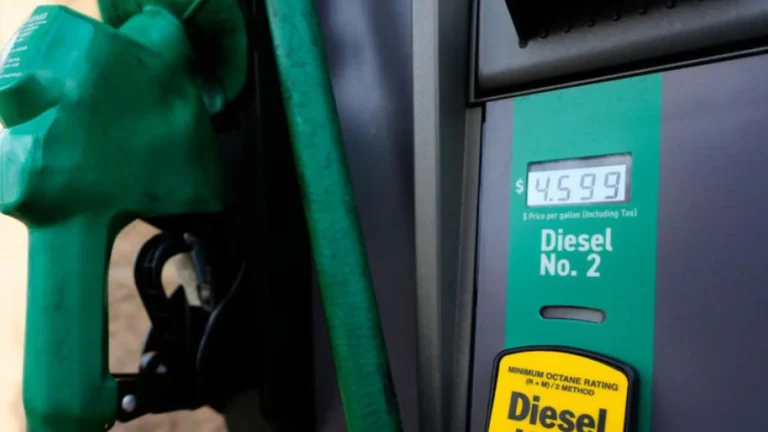
Oil prices had risen sharply before the agreement, while diesel prices have also surged as supply concerns intensified.
The G7 decision was reached during a virtual meeting chaired by French President Emmanuel Macron and attended by leaders of Canada, France, Germany, Italy, Japan, the United Kingdom and the United States, along with the International Energy Agency.
In a joint statement, the leaders said the coordinated release would include a “frontloaded substantial diesel release” during the first 20 days. They also said discussions would continue through the IEA on whether additional diesel reserves should be released if market conditions require further action.
The group also agreed to coordinate refinery maintenance schedules to avoid simultaneous shutdowns and increase refinery utilization where possible, while encouraging countries with significant refining capacity to boost production of diesel and other refined products.
The G7 said the measures are intended to stabilize supplies, protect households and businesses from energy-price shocks and send a clear signal to global markets.
The announcement has already had some impact on prices. IEA Executive Director Fatih Birol said oil prices began falling following the decision, though the longer-term effect will depend on supply conditions and developments in the Middle East.
Economists caution that releasing emergency reserves could provide only temporary relief if the underlying supply disruptions persist. The effectiveness of the measure will depend partly on how quickly fuel reaches the market and whether global supply routes remain open.
The G7 said it would continue monitoring energy markets and could adjust its response if necessary, while the IEA is expected to assess the implementation and impact of the emergency measures.