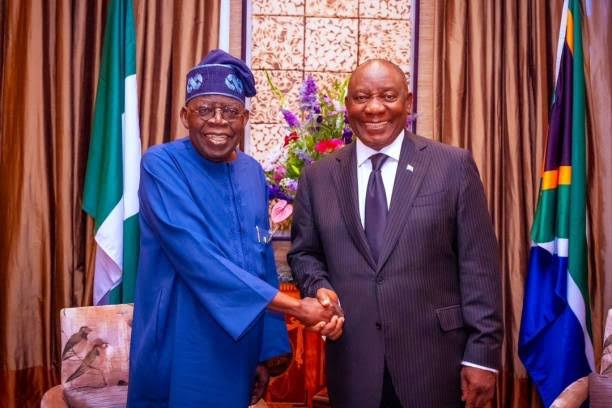
South Africa has called for a new phase in its economic relationship with Nigeria, urging both countries to replace commercial rivalry with strategic collaboration to strengthen African value chains, attract investment, create jobs and boost the continent’s global competitiveness.
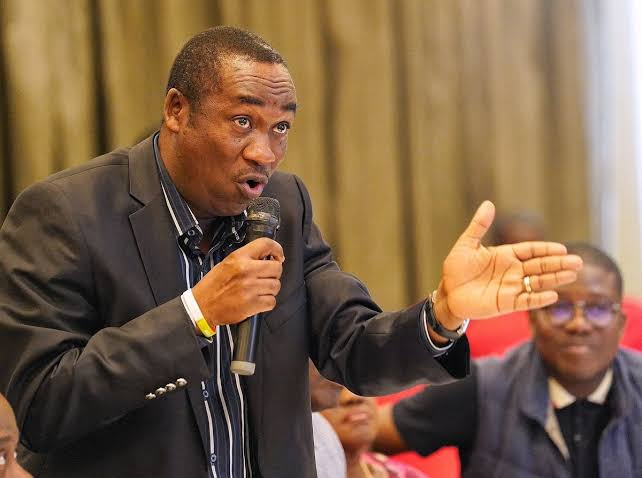
The call was made by South Africa’s Consul General, Bobby Moroe, during the Nigeria–South Africa Chamber of Commerce Breakfast Forum in Lagos, where he said Africa’s two biggest economies must adopt a coordinated response to global challenges, including geopolitical tensions, supply chain disruptions, technological change and climate pressures.
Speaking on the theme, “The Future of Nigeria-South Africa Relations: Advancing Bilateral Cooperation in a Changing World,” Moroe said the success of Africa’s industrialisation and economic resilience would depend largely on how both nations maximise opportunities presented by the African Continental Free Trade Area (AfCFTA).
“Together, our two countries account for more than 40 per cent of Africa’s Gross Domestic Product (GDP). Yet trade within Africa remains far below its potential,” he said.
“The AfCFTA presents a historic opportunity. Rather than competing, Nigeria and South Africa must become strategic partners in building African value chains.”
Moroe observed that despite the implementation of AfCFTA, intra-African trade still accounts for less than 15 per cent of the continent’s total trade due to inadequate industrial capacity, infrastructure gaps and regulatory constraints.
He said Nigeria’s large consumer market, youthful population and entrepreneurial ecosystem complement South Africa’s industrial strength, advanced financial markets and technological expertise, creating a solid foundation for expanded bilateral cooperation.
The envoy identified refining, renewable energy, manufacturing, agro-processing, fintech, artificial intelligence, cybersecurity, e-commerce and digital infrastructure as key sectors with strong potential for joint investment.
“We can build refineries, develop digital infrastructure, expand manufacturing, invest in renewable energy, strengthen agro-processing, deepen fintech innovation and position Africa as a competitive participant in global value chains,” he said.
Moroe noted that stronger regional production networks would enable African countries to retain more value from their natural resources while generating employment opportunities capable of reducing economic migration.
“When African countries trade more with one another, we create jobs, retain wealth on the continent and reduce the pressures that drive irregular migration,” he said.
The Consul General also acknowledged that recurring migration-related tensions have become a growing business risk capable of affecting investor confidence and commercial ties between both countries.
He stressed that businesses cannot thrive where people feel unsafe or unwelcome, insisting that immigration enforcement should remain the responsibility of government institutions rather than vigilante groups or private individuals.
“The Constitution of South Africa protects the rights of everyone within our borders. Immigration enforcement is the responsibility of state institutions—not vigilante groups or private individuals,” Moroe said.
He reaffirmed South Africa’s condemnation of violence and intimidation against migrants, warning that misinformation and inflammatory narratives could erode decades of economic cooperation between the two nations.
According to Moroe, mutual trust between citizens is essential for sustainable trade and investment, noting that no economic partnership can flourish without confidence in the safety and dignity of people moving across borders.
He further described digital transformation as the next frontier of Nigeria-South Africa relations, identifying artificial intelligence, cybersecurity, digital payments, e-commerce and data infrastructure as critical drivers of Africa’s future competitiveness.
The envoy urged both countries to align investments in digital infrastructure, innovation and skills development to establish continental standards that would position Africa as a major force in the global digital economy.
“A digitally connected Africa creates opportunities at home rather than forcing talent abroad,” he said.
Moroe added that closer cooperation between the technology ecosystems of Nigeria and South Africa would strengthen Africa’s digital sovereignty while creating more high-value jobs across the continent.