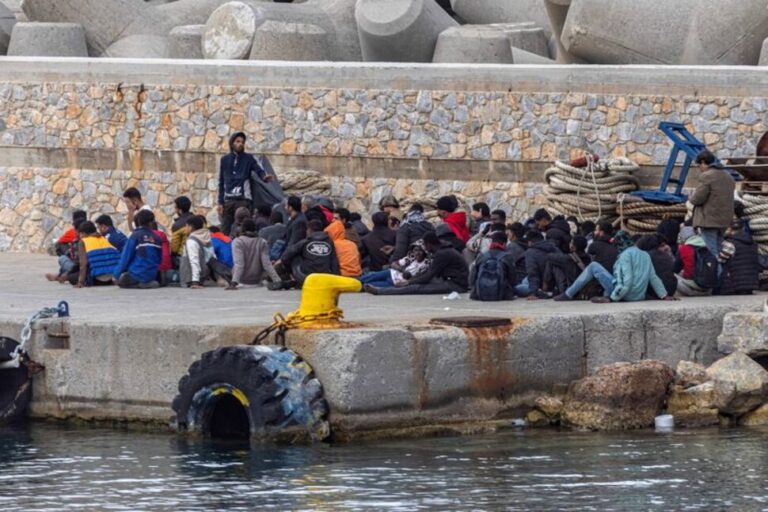
Greece’s parliament has approved a sweeping new law aimed at tightening immigration enforcement, escalating penalties for rejected asylum seekers, and accelerating returns to their home countries. The legislation, passed Wednesday, comes amid a renewed uptick in migrant arrivals along Greece’s southern coastline.
Under the new rules, undocumented migrants arriving from countries classified as “safe” by the European Union—and therefore ineligible for asylum—must either voluntarily return or face mandatory detention for a minimum of 24 months, along with fines of up to €10,000.
While Greece saw a dramatic drop in migration following the 2015–2016 crisis that saw over a million people cross into Europe, recent surges in arrivals—particularly from Libya via Crete and Gavdos—have prompted the government to reexamine its approach. Earlier this year, authorities temporarily suspended asylum applications for migrants from several North African nations.
The move reflects the Mitsotakis government’s broader hardline stance on immigration. Since taking office in 2019, the center-right administration has expanded a border wall with Turkey and significantly increased sea patrols to deter irregular crossings.
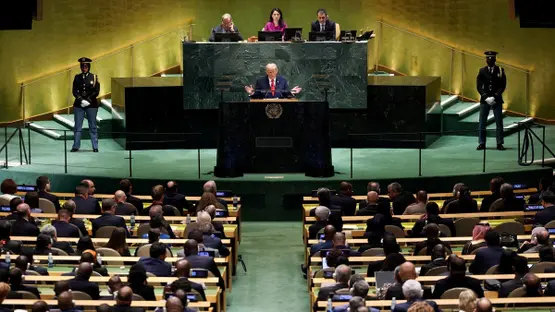
“Greeks have the right to defend their country—and that takes precedence over the right of someone to remain after their asylum claim has been rejected,” said Migration Minister Thanos Plevris during a parliamentary debate on Tuesday.
The United Nations High Commissioner for Refugees (UNHCR) responded with concern, warning that the new law could unfairly penalize individuals in genuine need of international protection. It urged Athens to adopt faster, fairer asylum procedures to better distinguish between refugees and economic migrants.
Greek officials, however, maintain that the country remains committed to legal repatriation processes. Authorities say hundreds of rejected asylum seekers were returned in July, and more deportation flights are scheduled this month to Pakistan, Bangladesh, and Egypt.
Human rights organizations have long accused Greece of conducting illegal “pushbacks” at both sea and land borders—forcing migrants back into neighboring countries without processing asylum claims. Earlier this year, the EU border agency Frontex acknowledged it was investigating 12 cases of possible rights violations involving Greek authorities.
Despite mounting pressure from international bodies, the Greek government remains firm in its position. It argues that stricter policies are necessary to maintain order and protect national sovereignty in the face of shifting migration patterns.
As Europe continues to grapple with migration challenges, Greece’s latest law may serve as a bellwether for other nations pursuing more restrictive immigration measures.