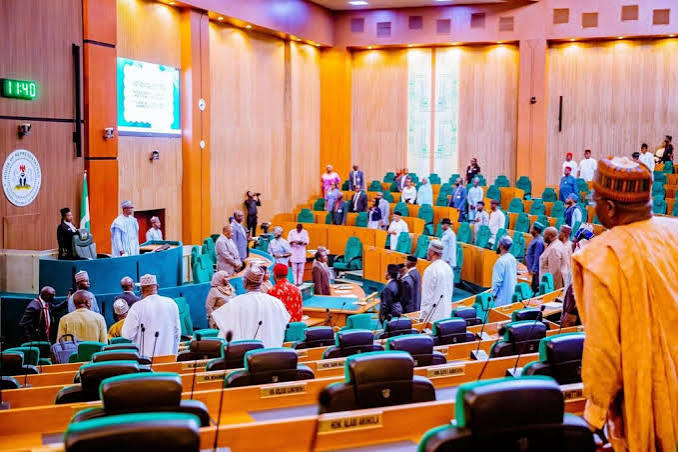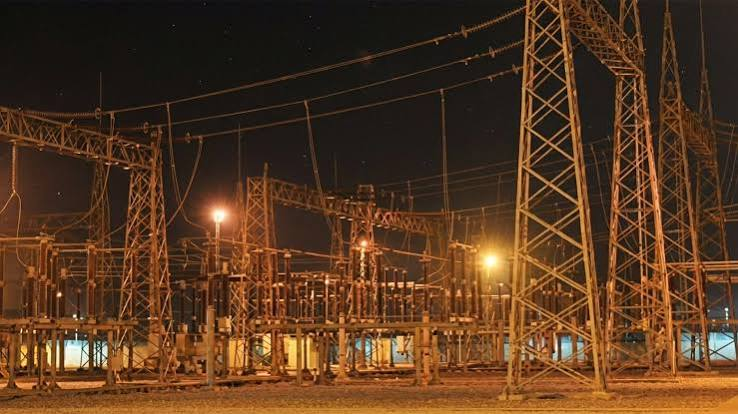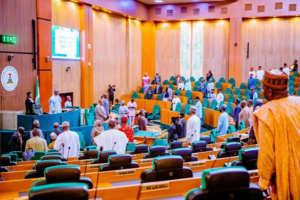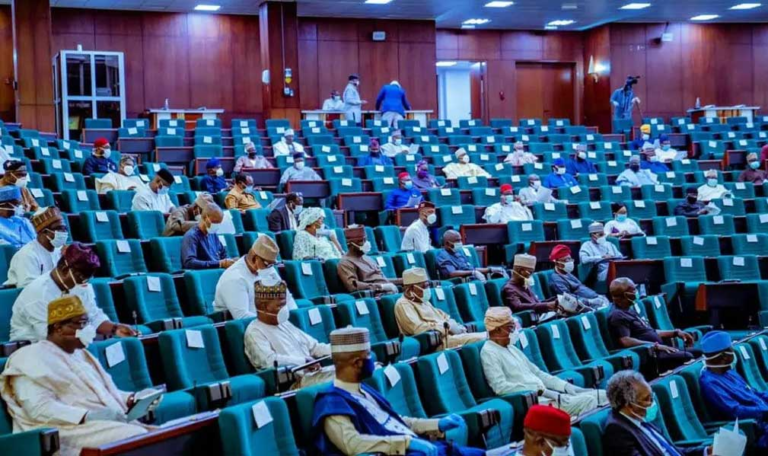
The House of Representatives has called for a minimum recapitalization of N500 billion for Nigeria’s 11 electricity Distribution Companies (DisCos) as a condition for their continued operation. The move, aimed at addressing the sector’s persistent issues, seeks to improve service delivery and encourage investment in power infrastructure.
Rep. Ibrahim Ayokunle Isiaka, who moved the motion during Wednesday’s plenary, pointed to the DisCos’ financial challenges and questionable practices as major threats to Nigeria’s economic stability and consumer welfare. The House further urged the Federal Ministry of Power to classify the DisCos as “non-state actors” and tackle their alleged “reckless actions,” which are undermining the nation’s economy.
The DisCos have long faced criticism for their failure to expand power assets and infrastructure. Despite receiving federal bailouts totaling N1.623 trillion since their privatization in 2013, doubts persist about their ability to efficiently distribute electricity.
Rep. Isiaka also highlighted consumer grievances, including instances where customers were charged for replacing outdated meters they had previously financed. He described these practices as exploitative, which erodes consumer trust and financial stability. “Despite constant regulatory oversight and demand for accountability, the DisCos continue to operate with impunity and disregard for consumer rights,” Isiaka remarked.
The House adopted the motion and tasked its Committee on Power with investigating the DisCos’ operations, ensuring accountability and protecting consumer rights. The committee was also instructed to review operational regulations and launch public awareness campaigns to educate consumers about their rights and grievance channels. A report is expected within four weeks.
Energy experts argue that a stronger capital base would enable the DisCos to invest in critical infrastructure, improving power distribution. Edu Okeke, Managing Director of Azura Power West Africa, suggested that DisCos raise $500 million each to address liabilities and improve capacity. “To ensure meaningful progress, DisCos must recapitalise and attract investors with real capital for infrastructure development, such as transformers, cables, and other equipment necessary for reliable service delivery,” Okeke stated.
However, Princewill Okorie, Executive Director of the Electricity Consumer Protection Advocacy Centre (ECPAC), expressed skepticism about the recapitalisation call. He urged the National Assembly to focus on holding the DisCos accountable for the funds they have already received. “Rather than talk about recapitalisation, they should inquire how resources allocated to the sector have been utilized,” Okorie said, referring to unresolved issues with the National Metering Programme and funds from past government interventions.
The House’s resolution adds to ongoing efforts to reform Nigeria’s power sector, though questions remain about whether the DisCos will comply with the new directives.